
Posts Tagged ‘iconography’
Painting a Magnificent Dome in South Carolina
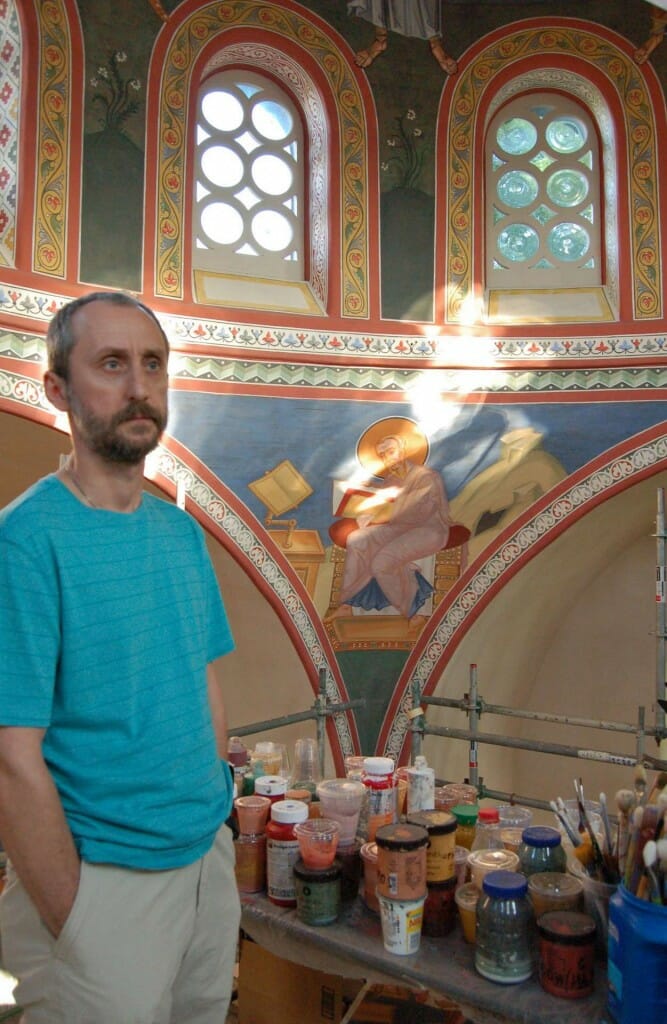
I would like to share a great milestone in the history of my own parish – the painting of the dome. Holy Ascension in Charleston, South Carolina, was consecrated in 2008. We have looked forward to the completion of the dome with great anticipation, and the results have far exceeded my own expectations. I believe it…
Continue reading »The Idea of Canonicity in Orthodox Liturgical Art
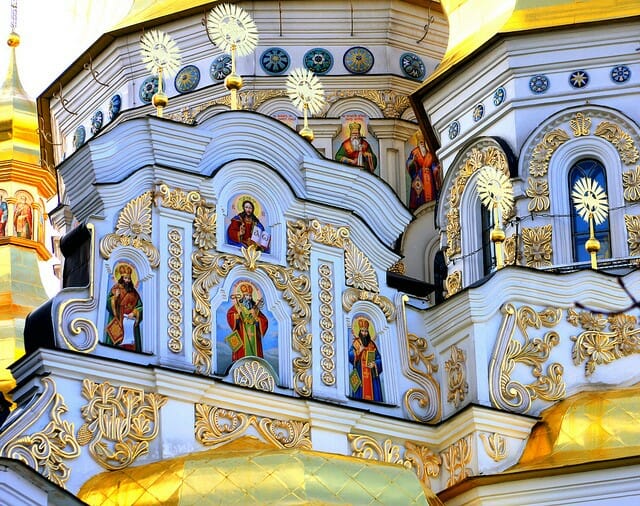
First published in Composing and Chanting in the Orthodox Church: Proceedings of the Second International Conference on Orthodox Church Music, Joensuu: ISOCM/University of Joensuu, 2009, 337-342 © 2009 Ivan Moody All rights reserved. The Idea of Canonicity in Orthodox Liturgical Art Ivan Moody “Divine beauty is transmitted to all that exists, and it is…
Continue reading »Delicate Fluidity: The Icons of Anton and Ekatarina Daineko
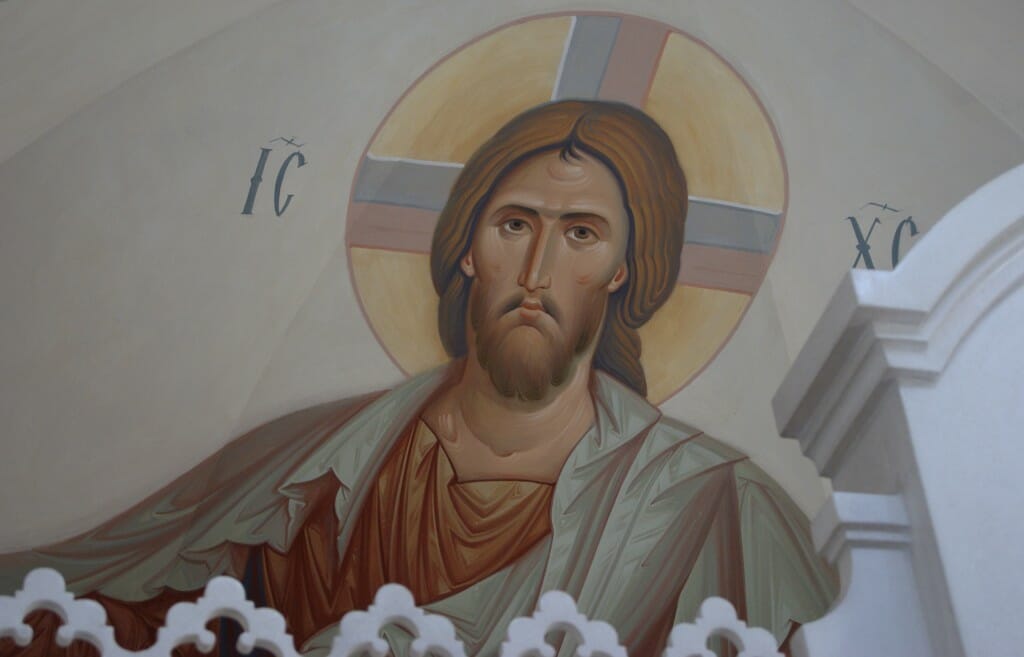
Anton and Ekaterina Daineko are a married couple from Minsk, Belarus. Their work in panel icons and frescos stands out for its fluidity in drawing as well as its subtle use of color and highlight. As they are giving some master classes in Vermont this year, I thought it would be a good opportunity to…
Continue reading »Interview with Daniel Neculae
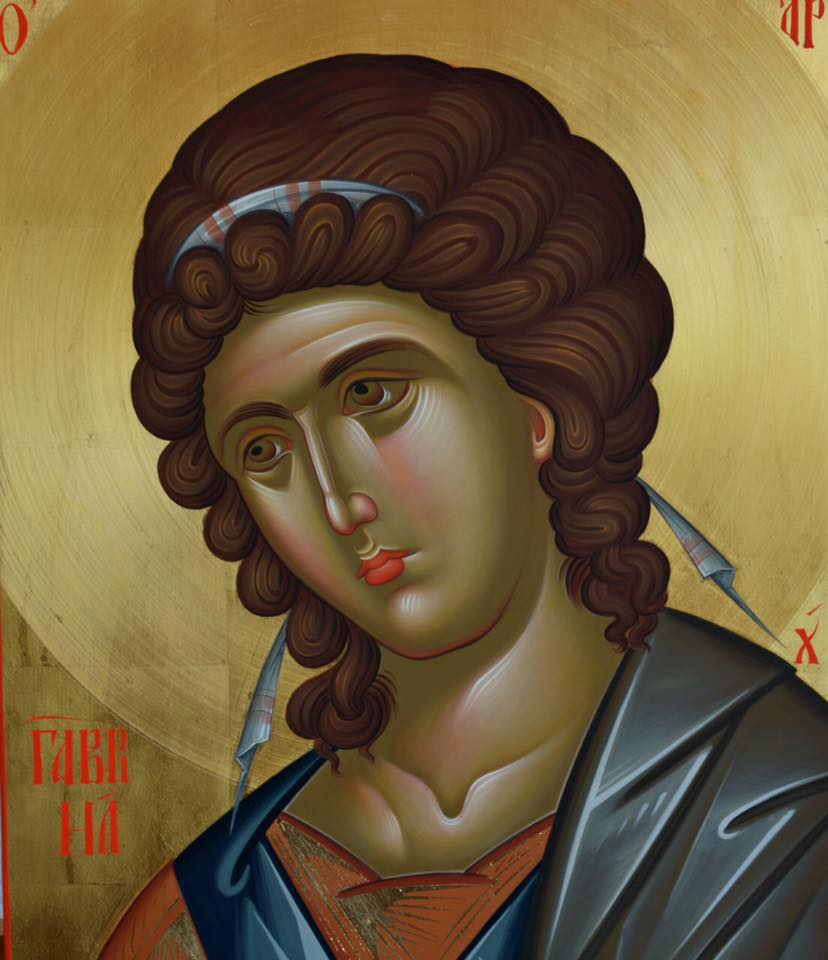
(Editor’s note: A few years ago we introduced our readers to the luscious work of Daniel Neculae, a Romanian iconographer now living in Luxembourg. Last year Daniel gave his first workshop in the US which was attended Marek Czarnecki, veteran American iconographer and teacher himself who agreed to conduct and edit this interview for us.)…
Continue reading »Contemporary Iconographers of Russia
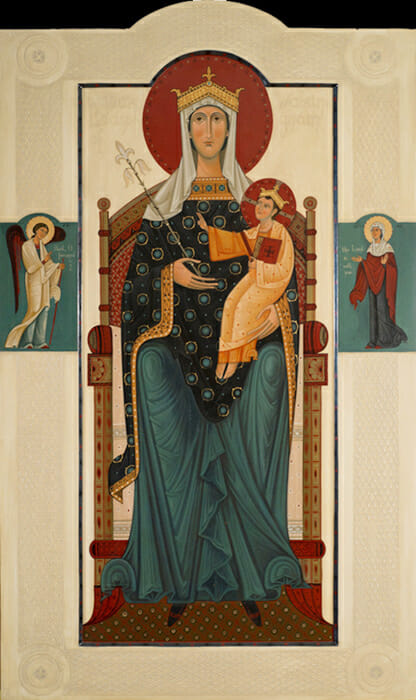
From December 11, 2015 to January, 19, 2016 (Moscow, Russia) “Tsar’s Tower” exhibition hall, in Kazansky railway station, hosted a large-scale exhibition entitled “Contemporary Iconographers of Russia”. The exhibit featured sixty iconographers, masters of mosaic and gold embroidery, jewelers as well as architects from Moscow, Saint Petersburg, Ekaterinburg, Vladimir, Archangelsk and other Russian cities. The exhibit showcased an…
Continue reading »Sacred Space, Sacred Art and The Power of Women
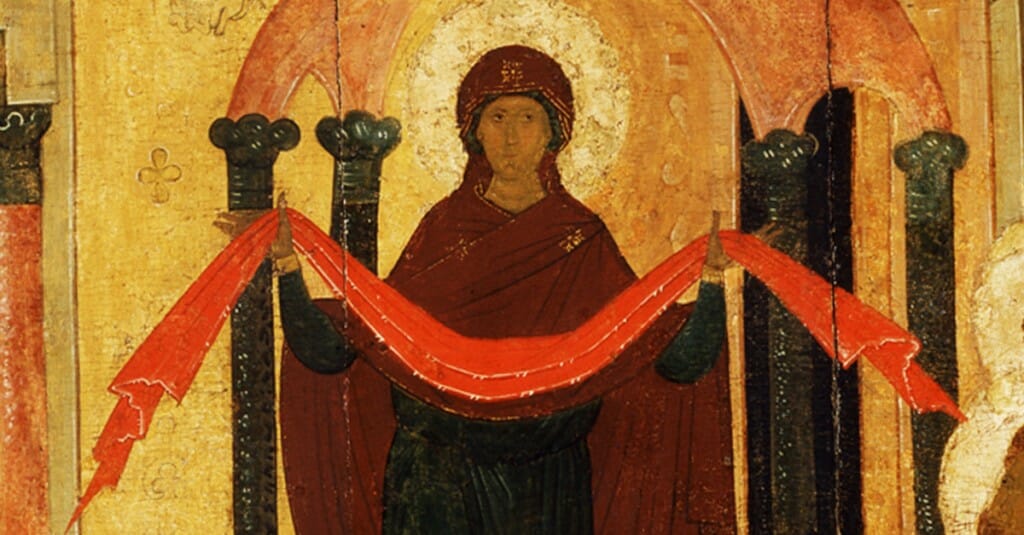
We live in a confused time. Many of the basic foundations which hold the world together have been made fragile. Up/down, center/periphery, inside/outside have all been eroded in their power to frame existence as we watch floodwaters rise around us. One of the foundations systematically attacked through sophisticated rhetoric and political ideology is the complementary…
Continue reading »Today and Tomorrow: Principles in the Training of Future Iconographers pt.2
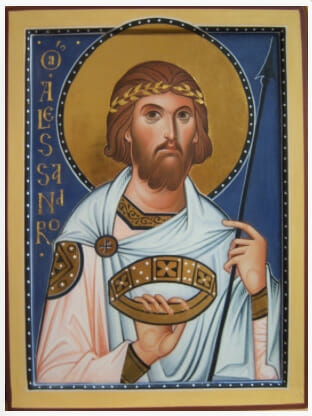
This is post 2 of 2 in the series “Today and Tomorrow: Principles in the Training of Future Iconographers” Aidan Hart looks at principles of style, composition and fabrication in icons, how these are meaningful in our consideration of iconography and how such considerations should be transmitted to the next generation of artists. Today and…
Continue reading »Today and Tomorrow: Principles in the Training of Future Iconographers pt.1
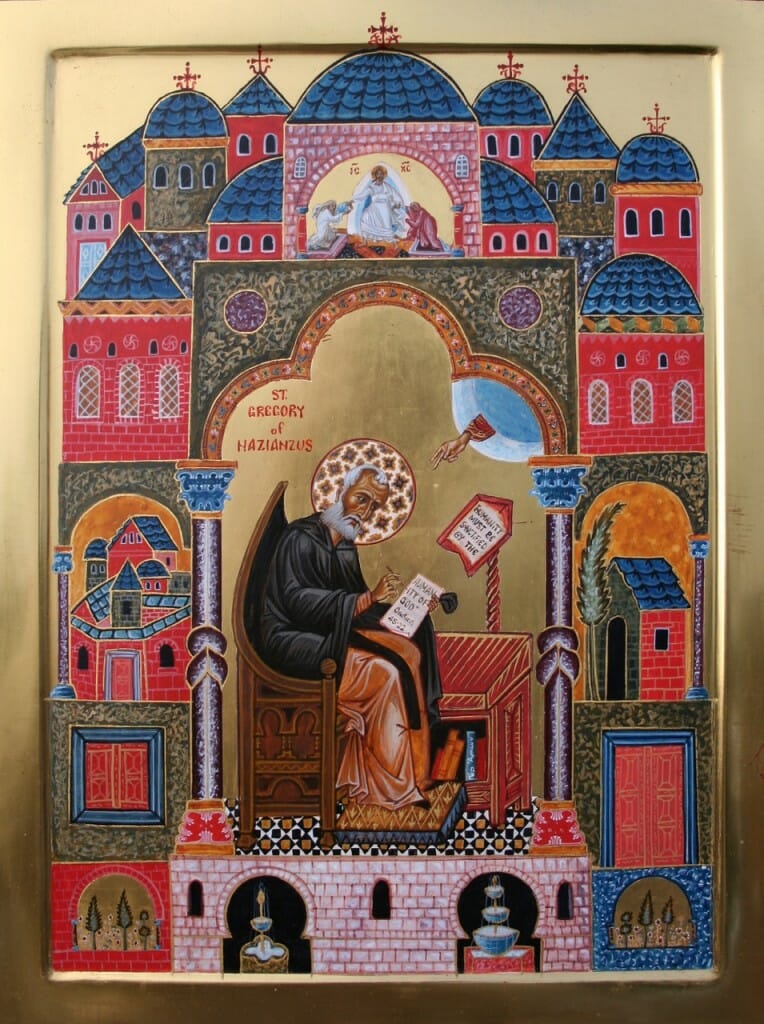
This is post 1 of 2 in the series “Today and Tomorrow: Principles in the Training of Future Iconographers” Aidan Hart looks at principles of style, composition and fabrication in icons, how these are meaningful in our consideration of iconography and how such considerations should be transmitted to the next generation of artists. Today and…
Continue reading »The Icon Painting Tradition and Modern Art: Hermeneutical Considerations
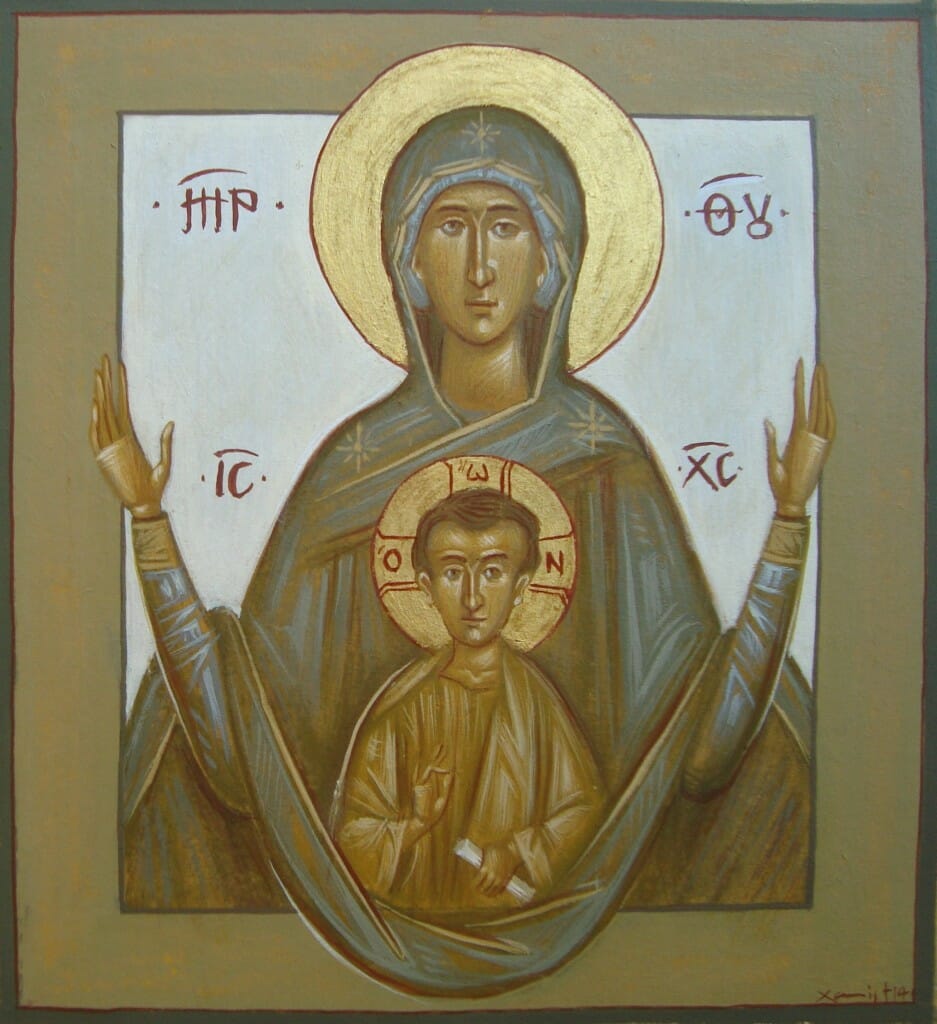
To articulate what is past does not mean to recognize ‘how it really was’. It means to take control of a memory, as it flashes in a moment of danger. Walter Benjamin In 1557, the Corpus Historiae Byzantinae, a series initiated by the German monk and humanist Hieronymus Wolf[1], was published. Ever since, the region…
Continue reading »A New Icon of St. Mary of Egypt and St. Zosimas: Notes on Form & Symbolism
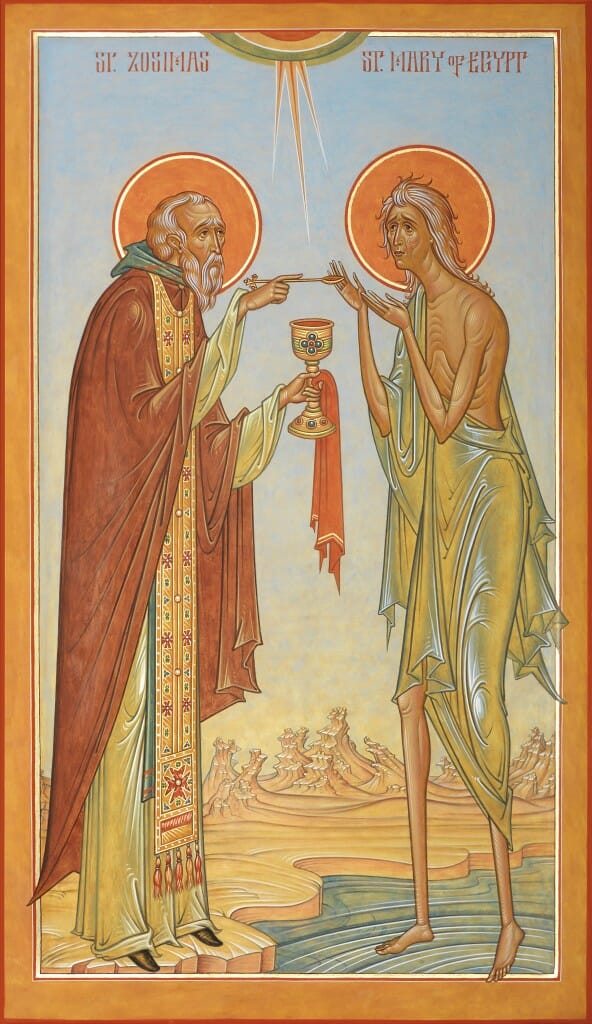
A New Icon of St. Mary of Egypt and St. Zosimas Notes on Form & Symbolism By Fr. Silouan Justiniano In thee, O Mother, was exactly preserved what was according to the divine image. For thou didst take the cross and follow Christ, and by thy life, didst teach us to ignore the flesh,…
Continue reading »