Similar Posts
“I rush towards my dry brushes, and like Christ, am nailed to my easel.”
Marc Chagall, 1938
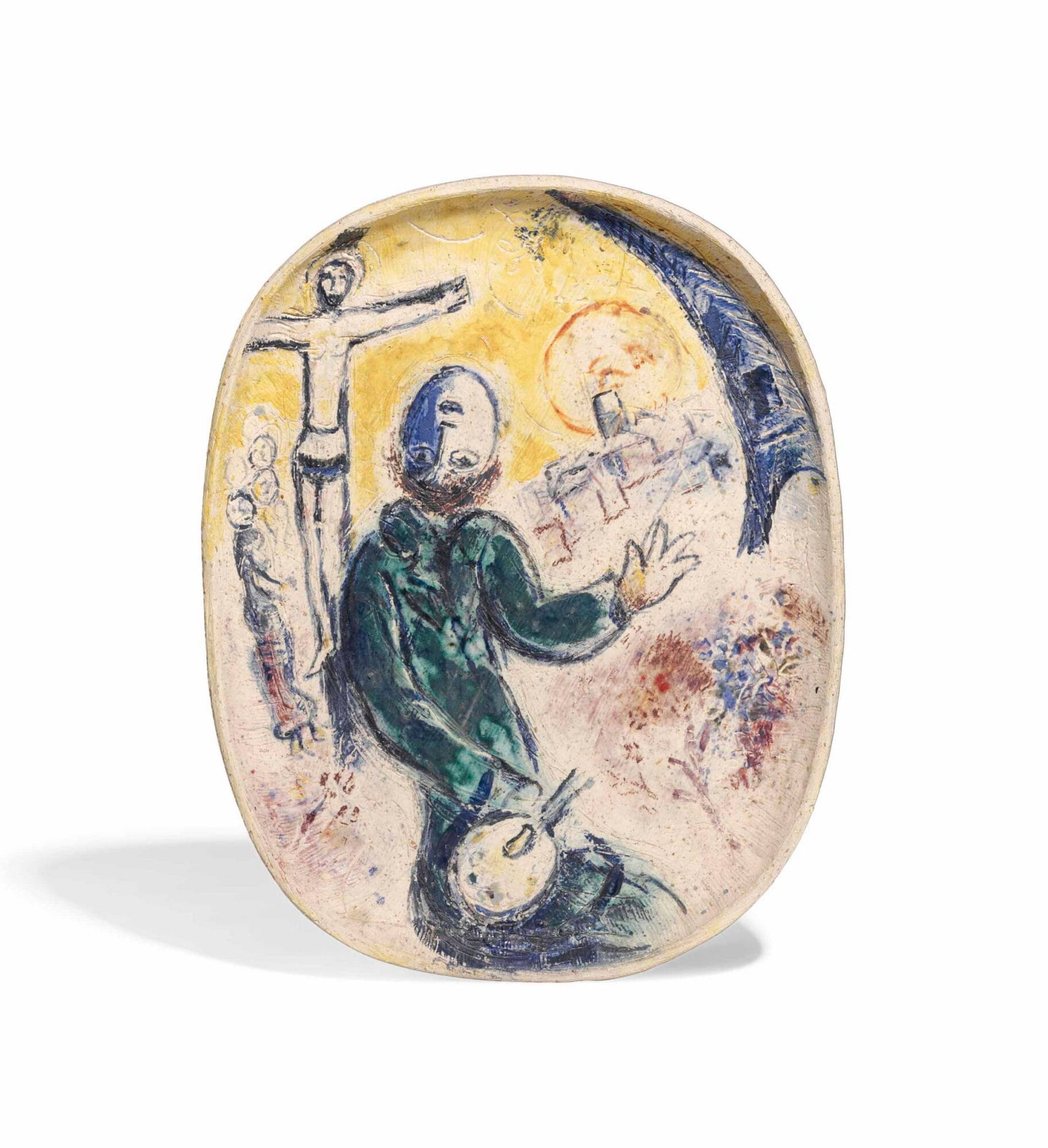
Fifure 1: Le Peintre et la Crucifixion
Marc Chagall, Ceramic, 1962
As I begin writing this article, an organ player downstairs strikes a melody on the church organ.
My studio is situated in the mezzanine of the church, built by Canadian Anglicans in the late 1800’s and presently owned and used by a small Coptic parish. The musician comes in a couple of times a week to operate the valuable instrument which– I’m told– if left unused, would quickly otherwise deteriorate into disrepair. On my easel next to me sits a large, 6ft icon of the martyr Dolagy and her four sons, fourth century martyrs from the Upper Egyptian village of Esna. The icon will be installed in a church in Irvine, California. (Figure 2) In the basement of the church is a woodcarver who is designing and carving various liturgical items by hand. Between three floors and three hands, three entirely different people are fashioning something beautiful out of matter, sound, colour. When I am tired, I lean back and look to one of the stained-glass windows inscribed “Despise not the day of small things.” We are all little imitators of the Master Craftsman, who, from His cross, makes all things new. It is by this cross, and He who governs from it, I’m sure, that the musician, the woodworker, and the painter are all woven together into a single harmony, a single icon of the Great Iconographer Himself. Between Anglicans, Californian Copts, Upper Egyptian farmers, and myself, Beauty seems to have found a way to permeate into life through unique and unexpected exchanges and relationships, previously unheard of and unseen.
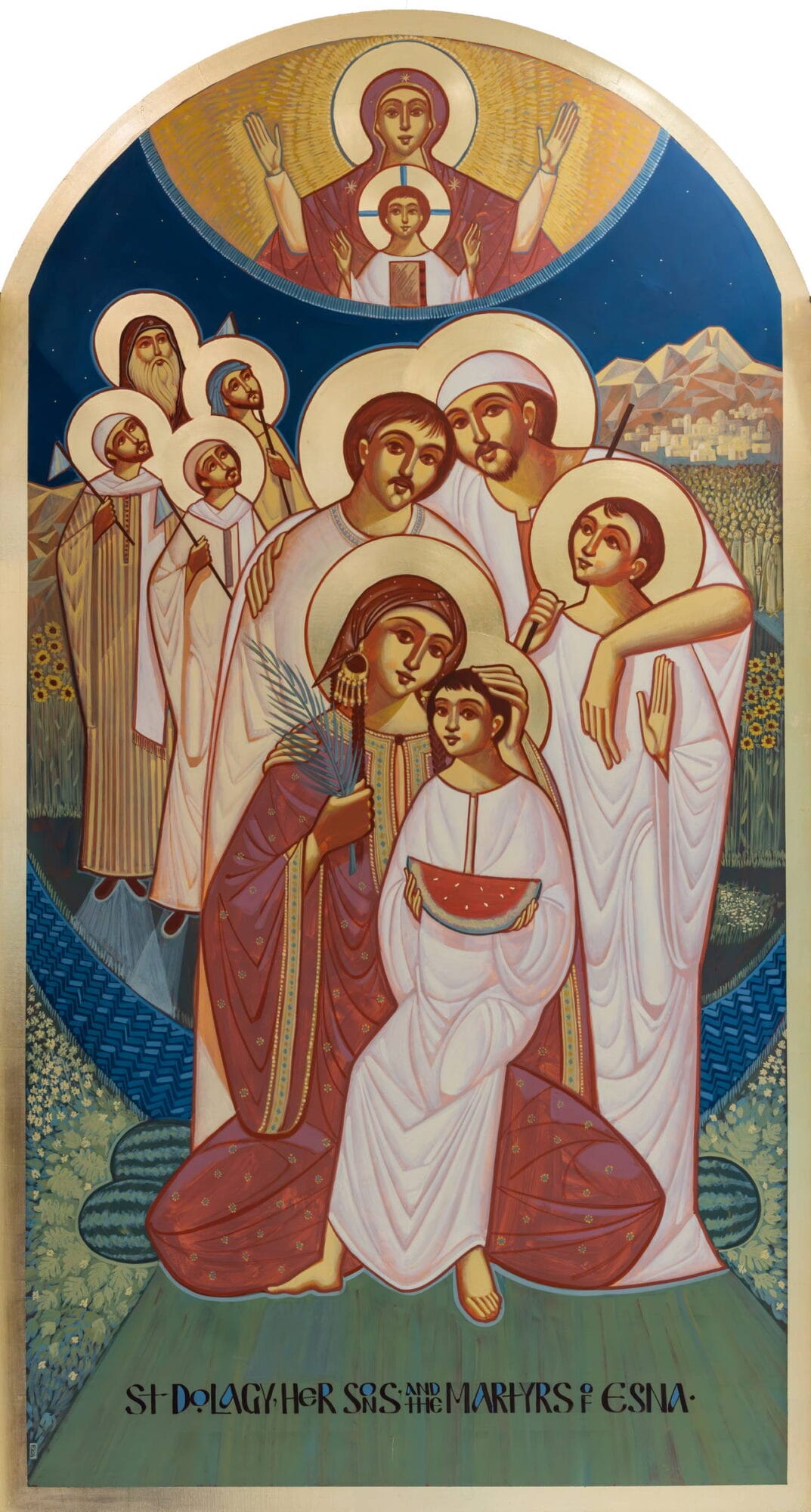
Figure 2: St Dolagy, her sons, and the martyrs of Esna,
George Makary, 2025
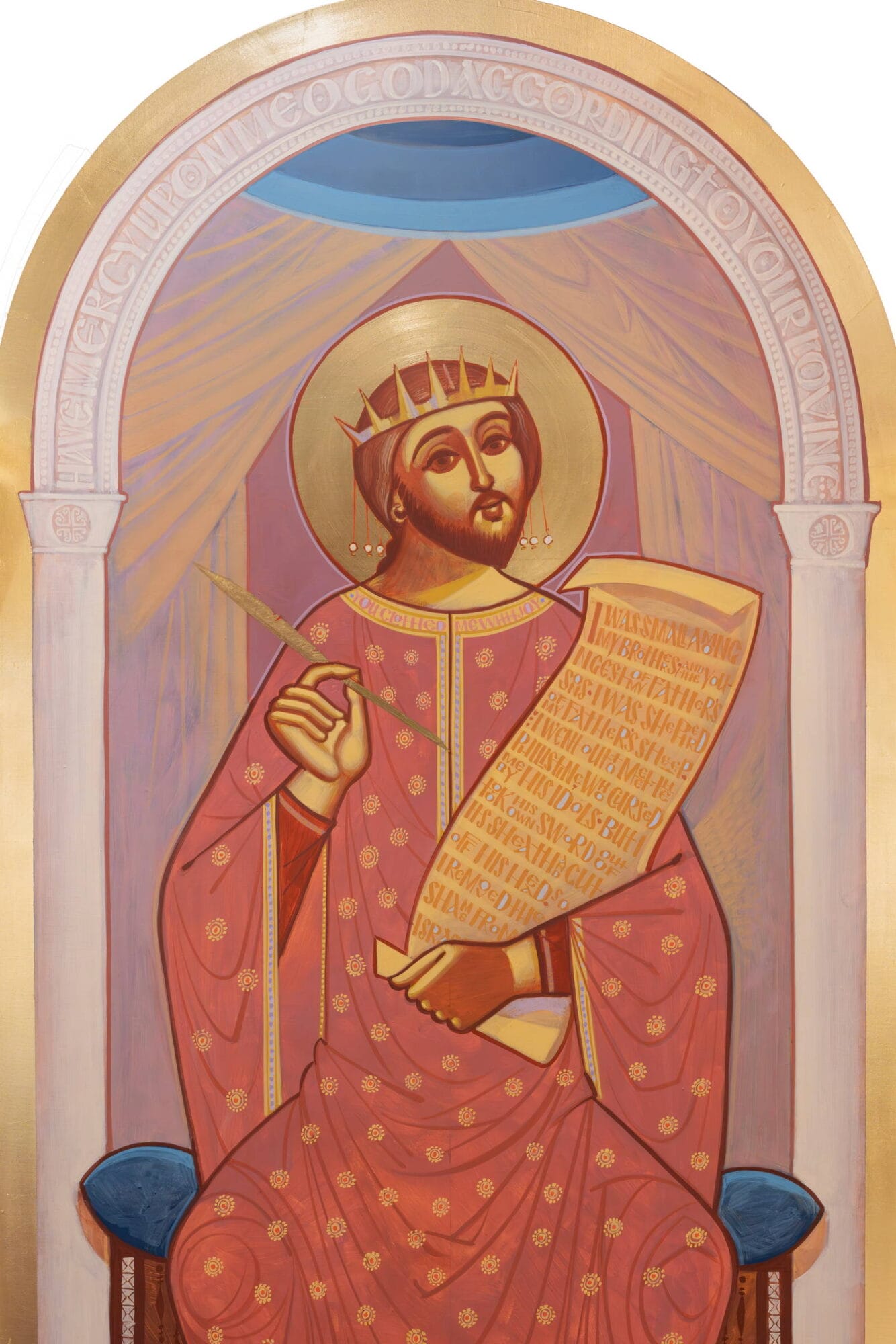
Figure 3: David (Detail),
George Makary, 2026
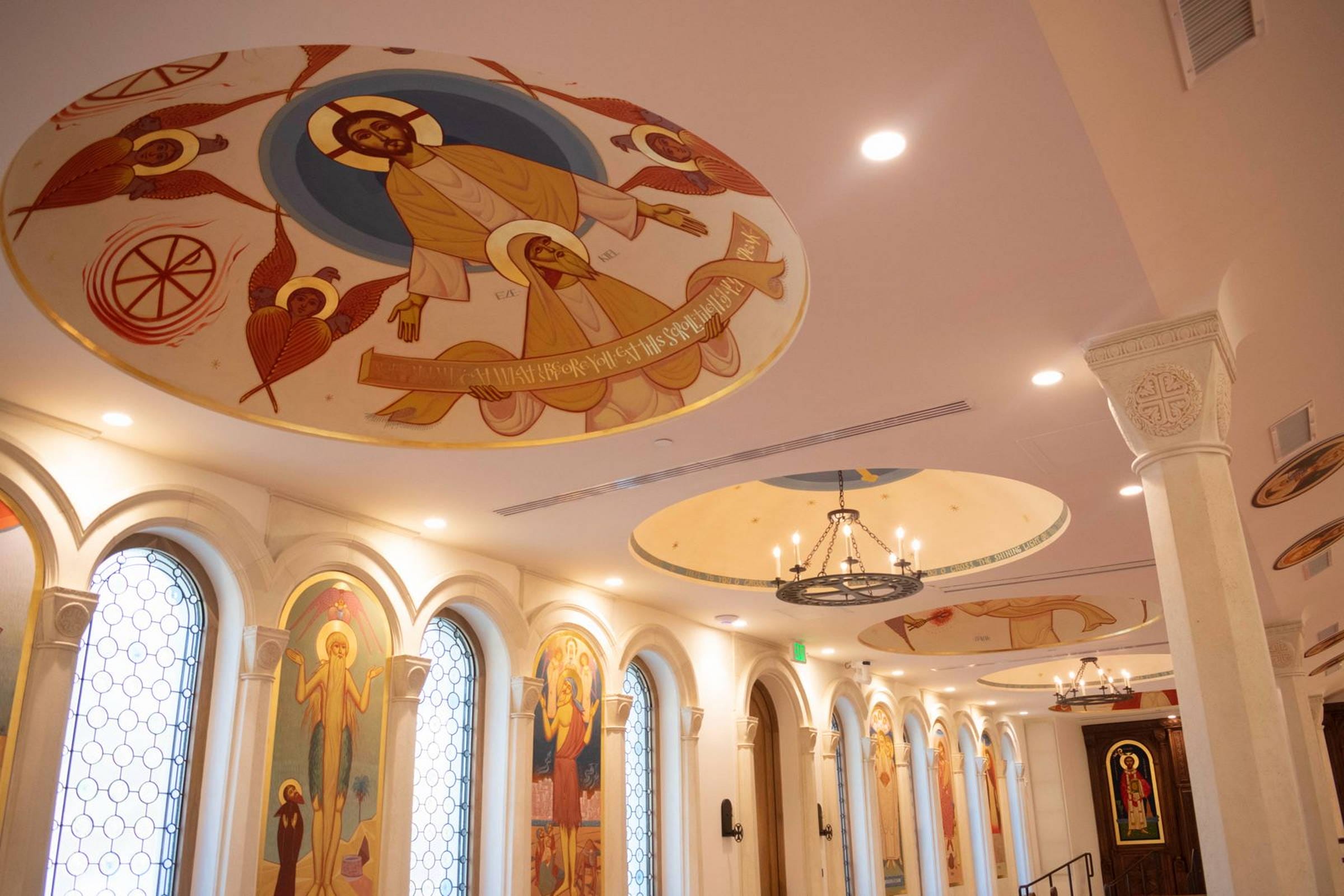
Figure 4: View of the north wall, nave of St Paul Coptic Orthodox Church, Irvine
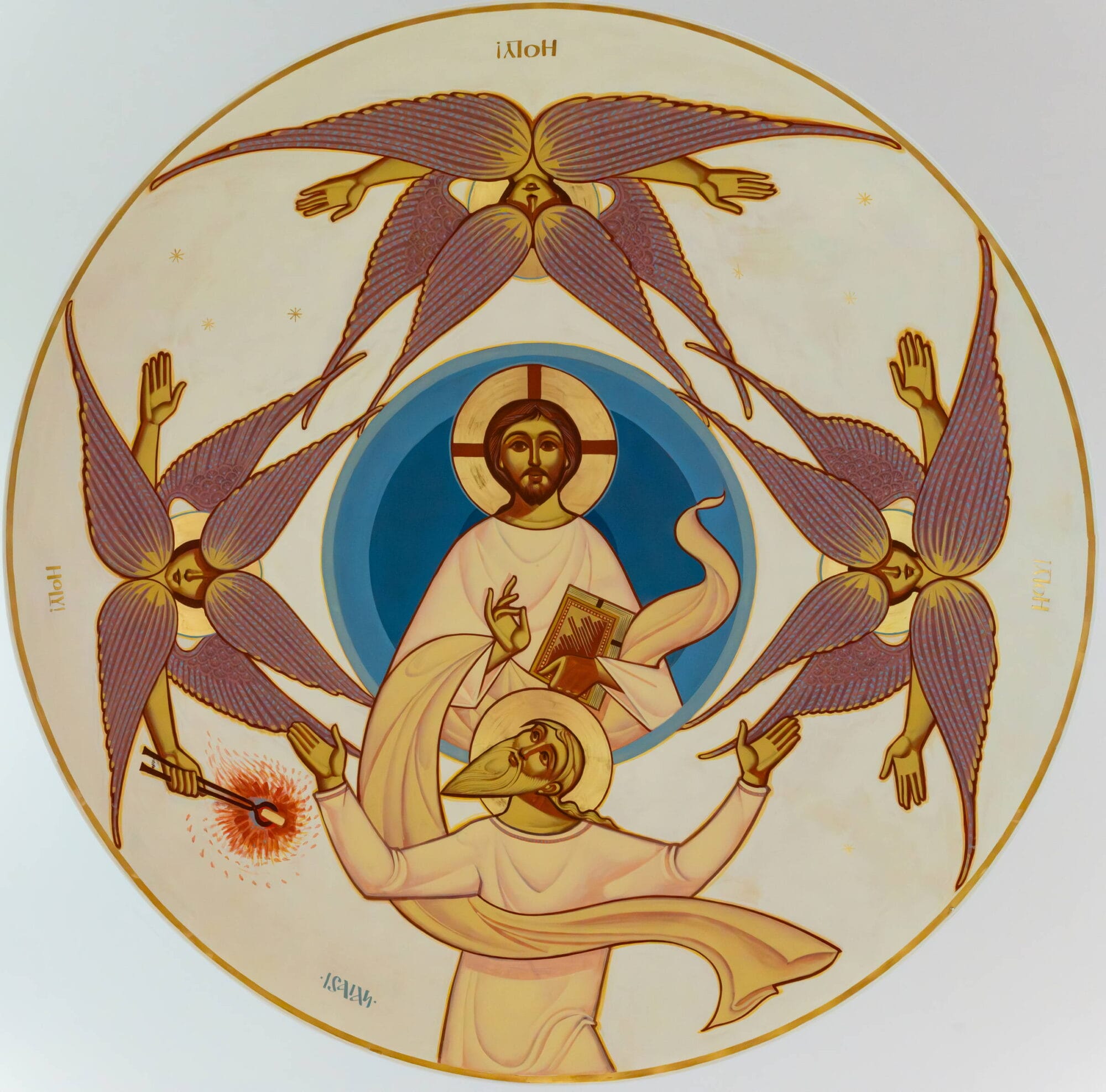
Figure 5: The Vision of Isaiah (Dome),
George Makary, vinyl emulsion, 2024
At present I am working on three projects: the first is a set of nave panel icons for a Coptic church in California, (Figure 3, 4, 5) the second is an iconostasis for a Coptic church in Chicago, (Figure 6, 7) and the third is an iconostasis, chapel, and mural-painting program for my home parish in Ottawa, Canada. All three of these churches operate from re-purposed spaces (i.e. they are not built by Copts), so the projects have pressed me to devise design solutions for uniquely situated domes, apses, and icon-screens. From the time these projects began until now I’ve had the remarkable opportunity to explore how sacred art relates to sacred space, and how we exist both in and beyond those spaces. There is an explosive eagerness among many young people in the Coptic church to learn and understand iconography today, and this reveals a basic human need to create and contemplate the Creator through His created world.
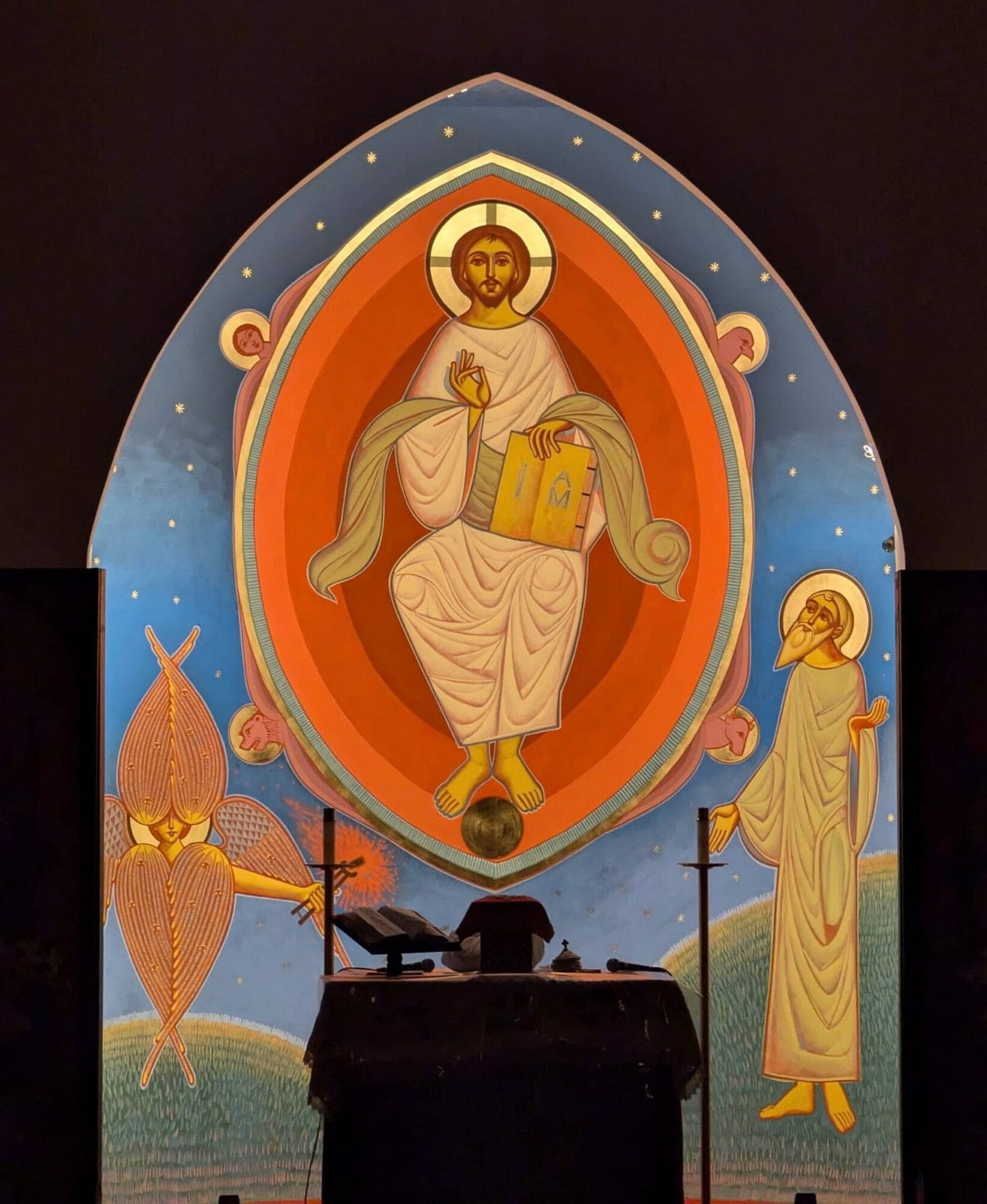
Figure 6: The Vision of Isaiah (apse)
George Makary, vinyl emulsion, 2024
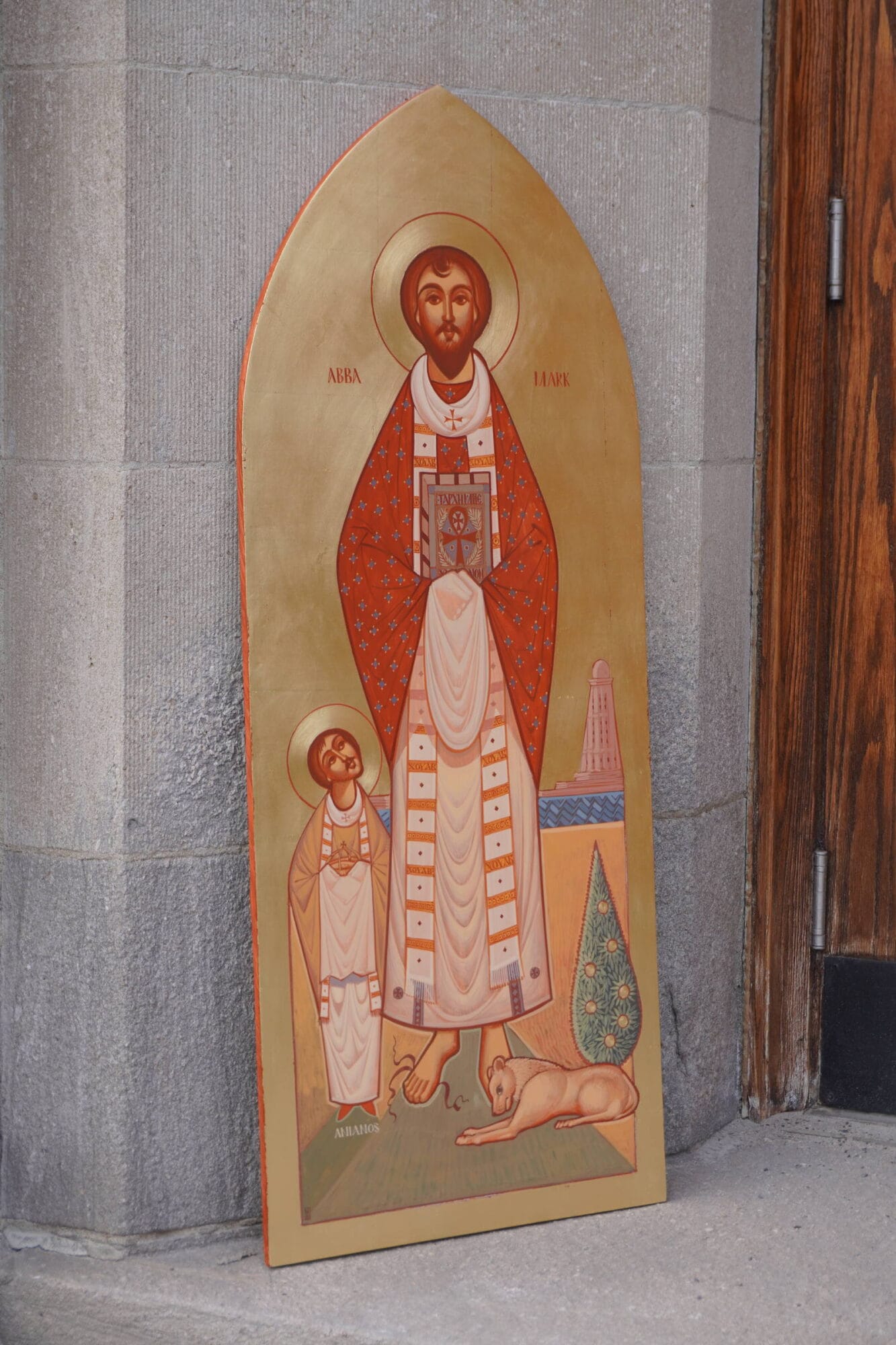
Figure 7: St Mark (iconostasis icon)
George Makary, 2026
For artists working today in the Coptic tradition, the repertoire of this tradition reveals much about the potential that sacred art holds. The Ancient Egyptians possessed no literary terms to describe “art” or “aesthetics”. They had no binary of “sacred” and “secular” art; all things were sacred, religious, and existed in a divine realm. The world of the Ancient Egyptian was understood in the framework of their theology: everyday life, the human experience, the great, the mundane. Their creations– what they wore, used, lived in, were laid dead in, and worshipped in– were seen as things that needed to be created in relation to each other and the whole of the divine cosmos, and thus also demanded great integrity, honesty, and devotion in their creation.
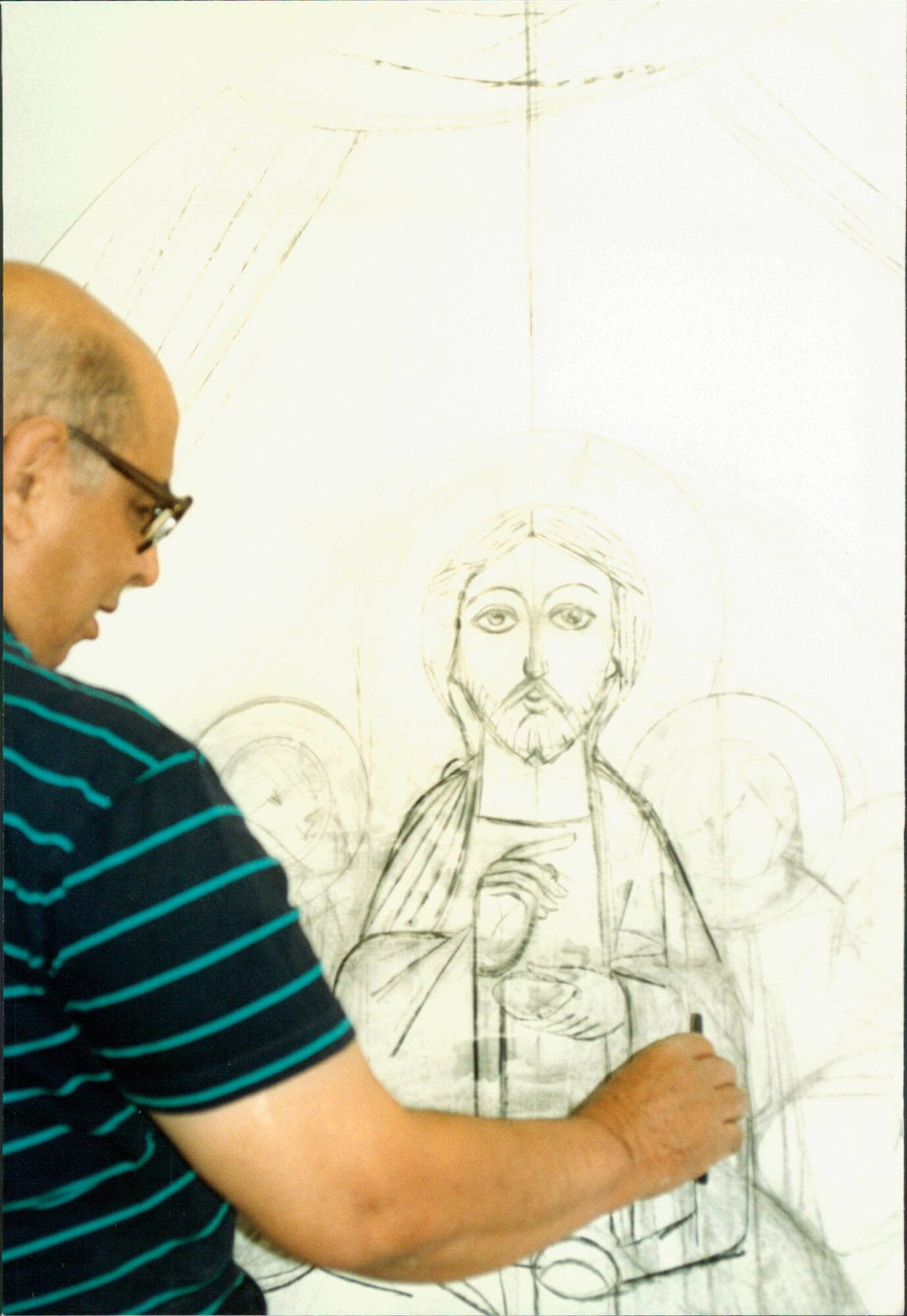
Figure 8: Isaac Fanous laying down the preliminary design for an icon of the Last Supper, Pasadena, 1993 (Photo courtesy of Mr. Elhamy Khalil)
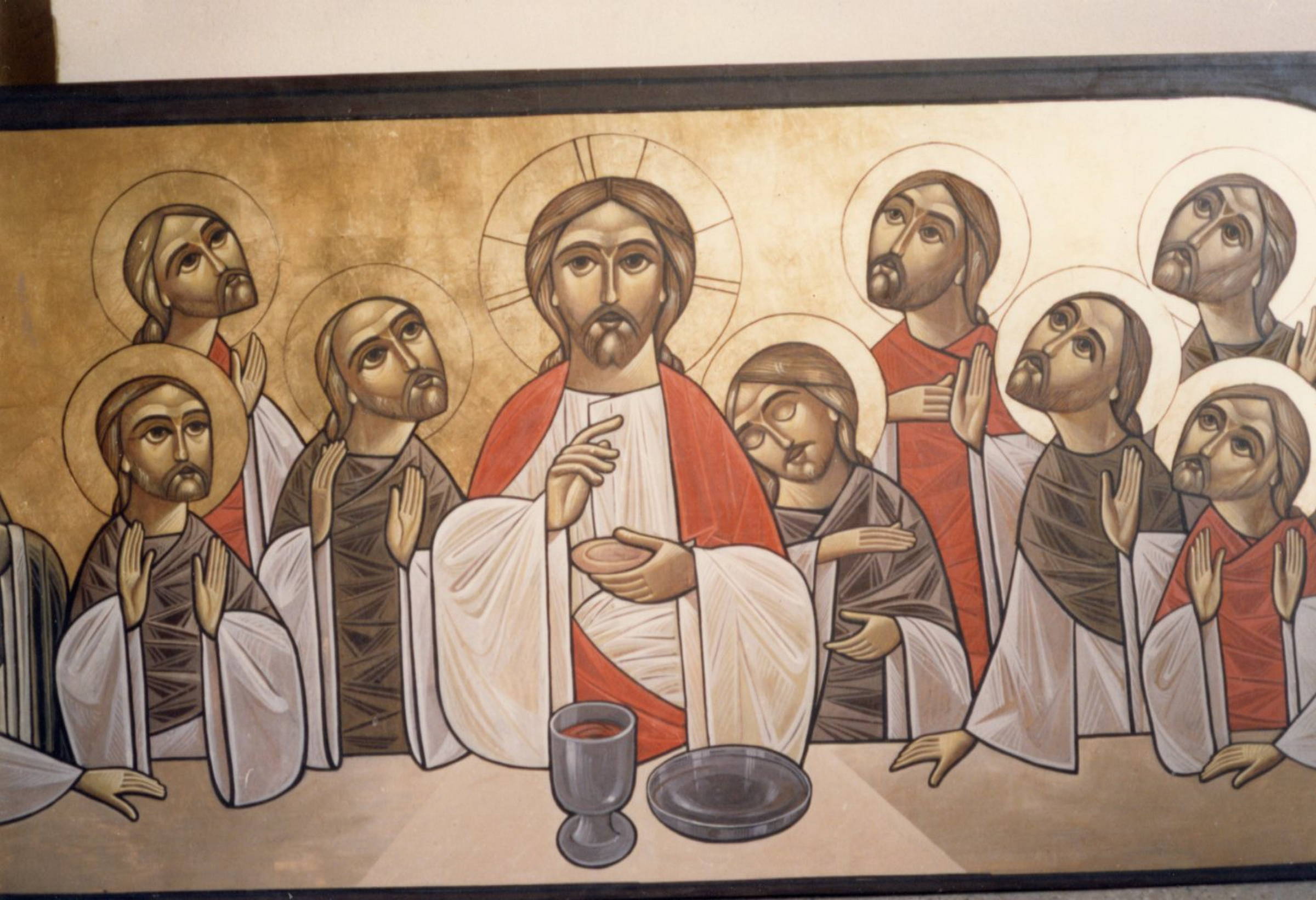
Figure 9:The Mystical Supper, Isaac Fanous,1986
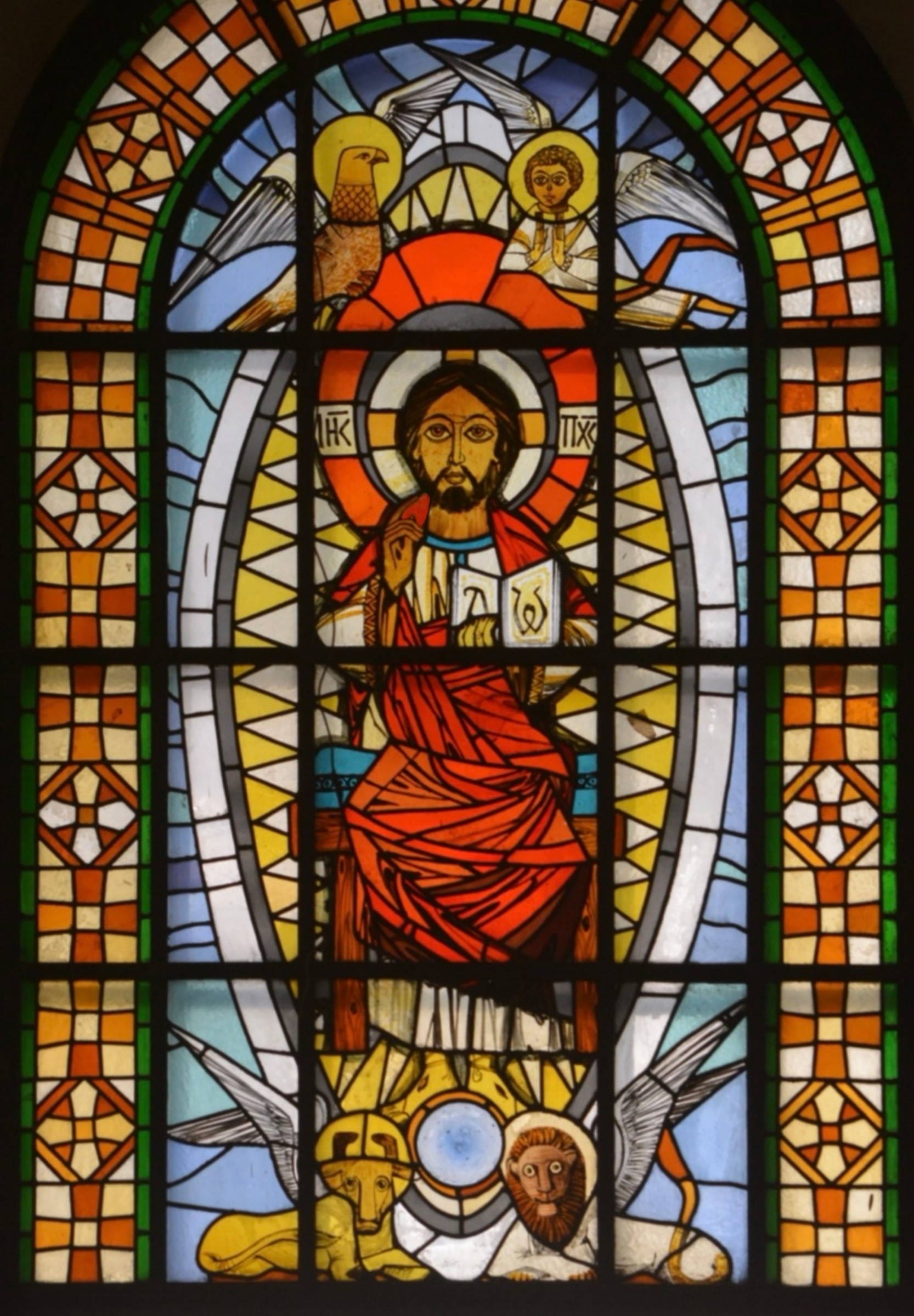
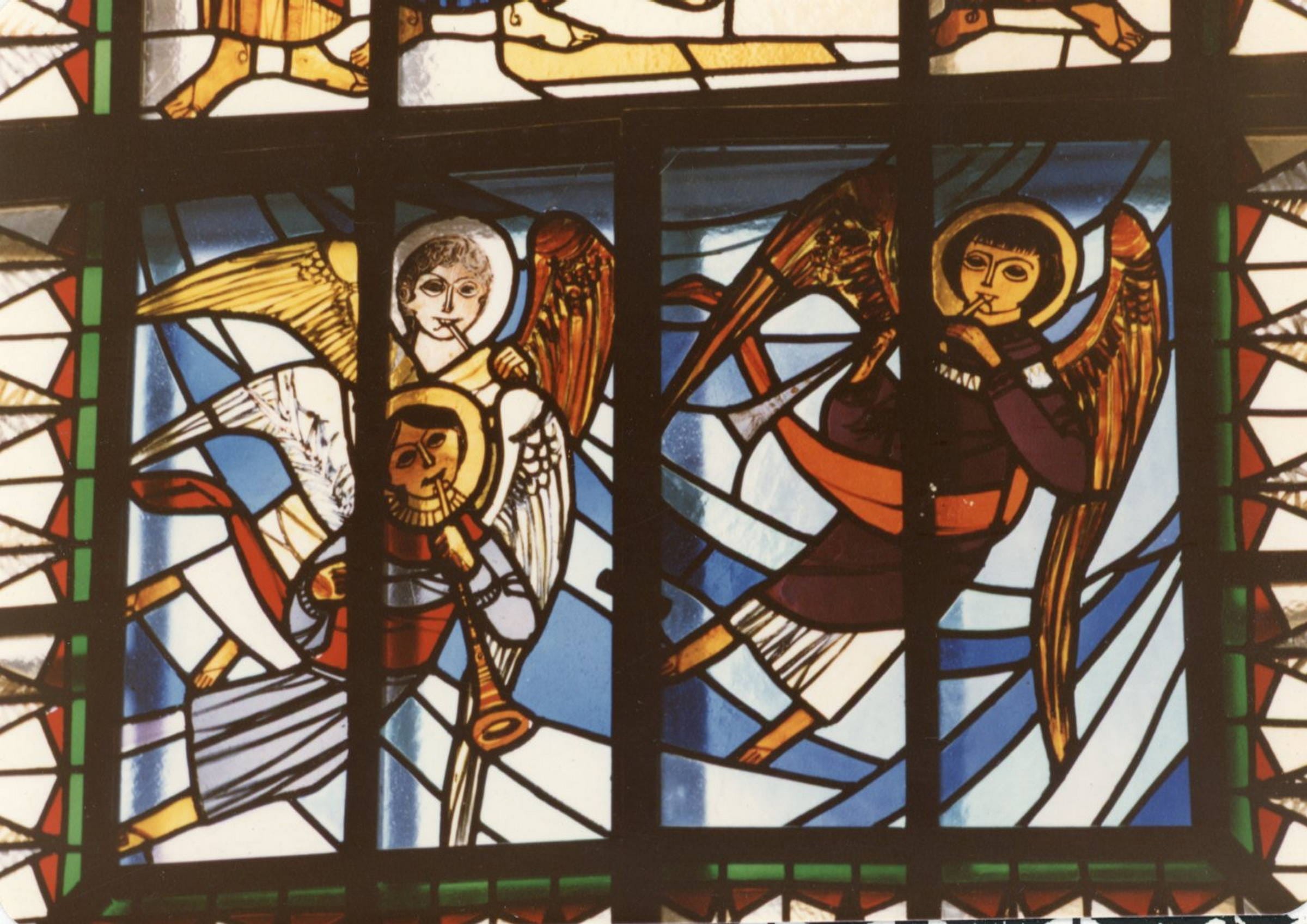
Figure 10: Angels (detail of the entry into Jerusalem)
Isaac Fanous, stained glass, St Mina Alexandria, 1970’s
Isaac Fanous (1919-2007) was a monumental figure in the history of Egyptian art and has shaped the field of Coptic iconography today (Figure 8, 9, 10). Throughout his career he established a school of iconography at the Coptic Orthodox Patriarchate in Cairo, single-handedly reviving a tradition of sacred art that verged on extinction. Fanous was dazzled by the robust workmanship, skill, and zeal of the Ancient Egyptians, and as an Egyptian, he felt a deep obligation to continue such work:
“A Coptic artist owes it to himself to study the art of ancient Egypt and to recognise it as a legacy. Then, from this legacy of Ancient Egypt and of ancient Coptic art, the contemporary artist must create: If we conserve this deposit in a museum, it dies. It is therefore appropriate to study the values contained in this legacy and to reinvest them in a new creation: That is the role of the contemporary Coptic artist. He must appropriate the values received for a living creation that persists into continuity.”
Isaac Fanous, Spring 1999, interview with Marie-Gabrielle de Boncourt and Bernadette Sadek
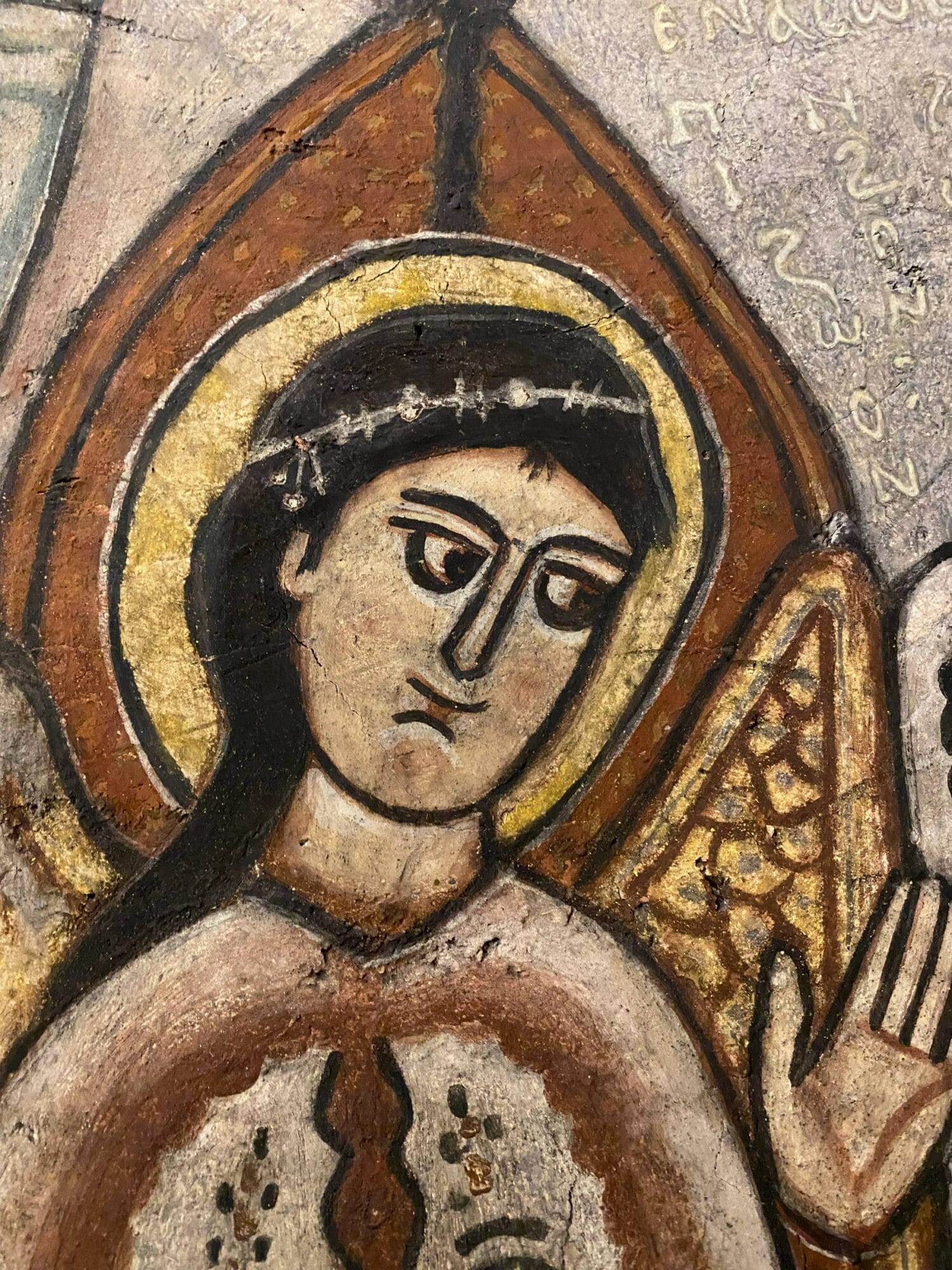
Figure 11: Detail of an Incorporeal Creature in the Chapel of the Incorporeal Creatures, Red Sea, Egypt, painted by Theodore, 1232-1233 A.D.
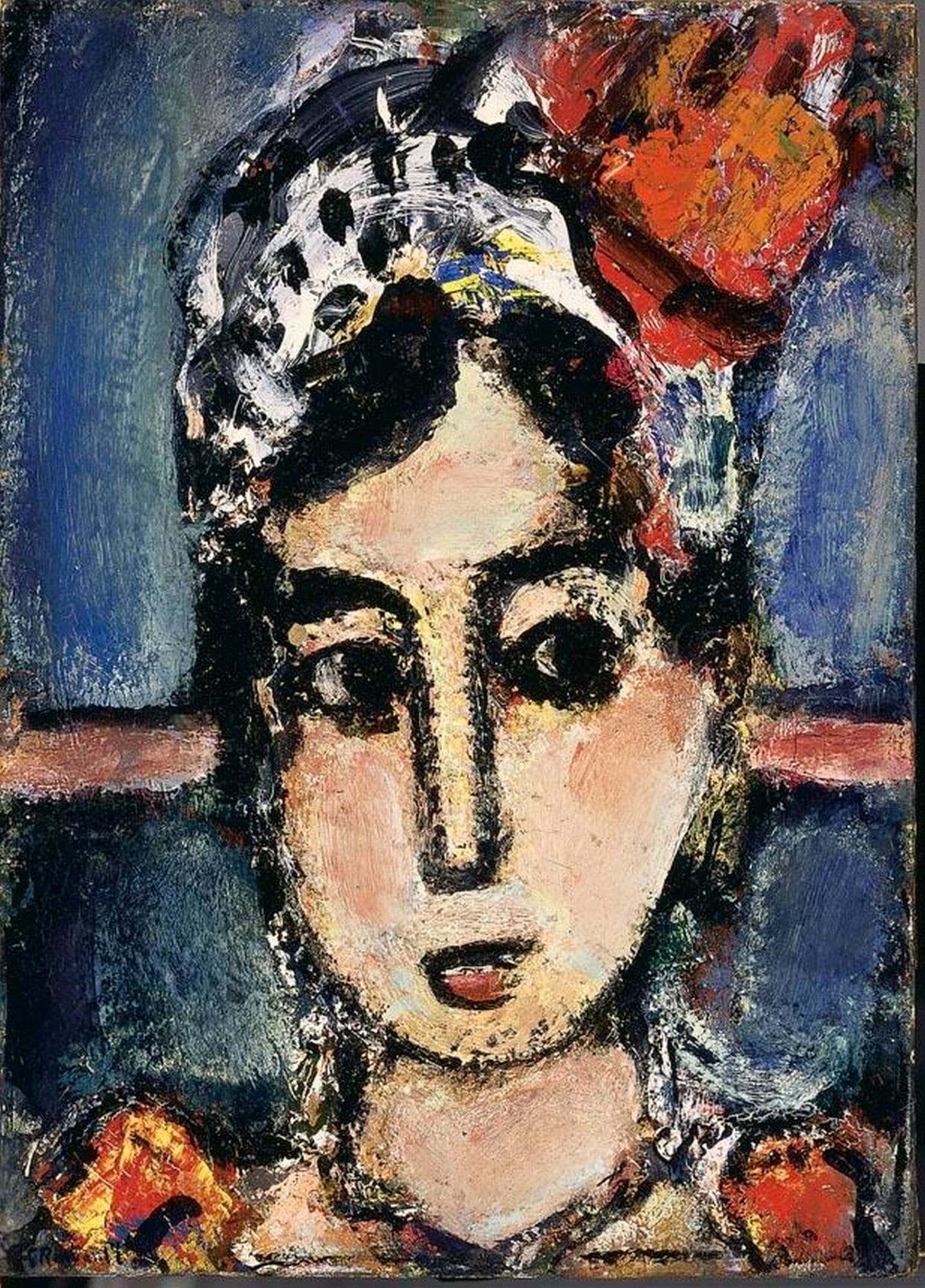
Figure 12: The Dancer, Georges Rouault, 1937, the McNay Collection
To Fanous, the Egyptians had created “modern” art long before it was modern. They were cubist before the term was expounded on by Gleizes (the first to write a treatise on the movement), and the bold outlines characteristic of his school today and those that preceded him are reminiscent of Cloisonnism or the work of Rouault (works characterized by flattened fields of colour delineated in bold, dark outlines) (Figure 11, 12). Fanous was very much aware of the worlds of both international and Egyptian modern art, and intended for the work made by the Copts to extend out beyond the confines of Egypt,
“I love my church but one must never lose sight of the fact that the church is Christian and Catholic (universal). I would like for my church of Egypt, for all local Christian churches to move past its particularities and access its global dimension; Am I wrong? [However,] If I want to access the Catholic (universal) dimension I must first build solidly and locally. Egyptian art is a good example of universality because it has had an extraordinary stability; even though it is in a very local and precise environment that it was composed. I must build my personality in a precise location, at home. If I have deep roots, I can make work that is accessible to all, thus becoming universal. If my art is good, it will be recognized by all men, no matter where, and it will last. If my art is without value, it will be limited and will die. And if I content myself with reproducing ancient icons, this art will rot and disappear. I am often reproached for creating new iconographic types.”
Isaac Fanous, 1999
The artistic discipleship which Fanous fostered dwindled after his death in 2007. Some attribute this ebb to competing leadership and inconsistent objectives. Consequently, a “Post-Fanousian” generation of iconographers has begun to emerge. Desiring to create sacred art for the Church, the lack of a cohesive school or formal avenue to learn pressured this generation to retrace the steps of Fanous himself, in a wider, global, and diasporic context. With this, what we perceived to be unprecedented concerns have appeared in fact to be very much ancient and precedented.
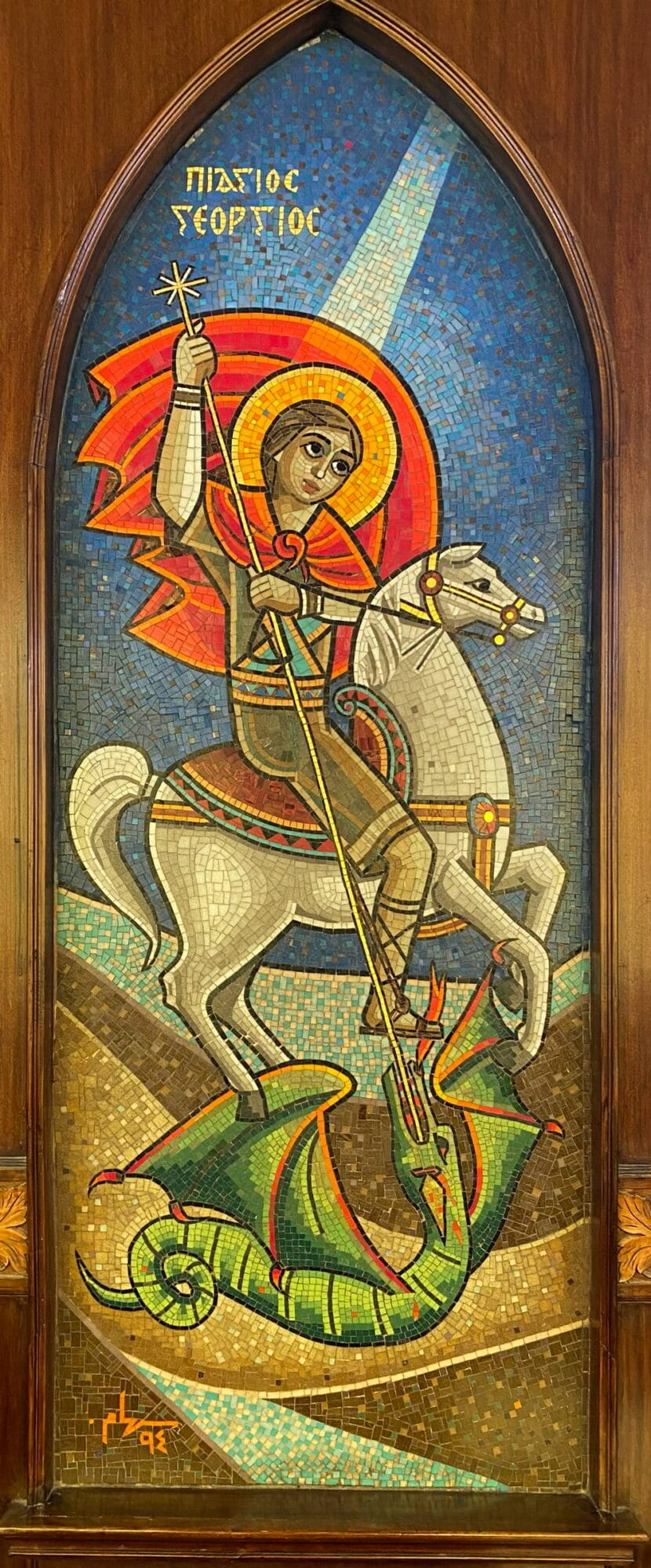
Figure 13: St George, Seham Guirguis, Mosaic, Patriarchal Cathedral (Cairo) 1994
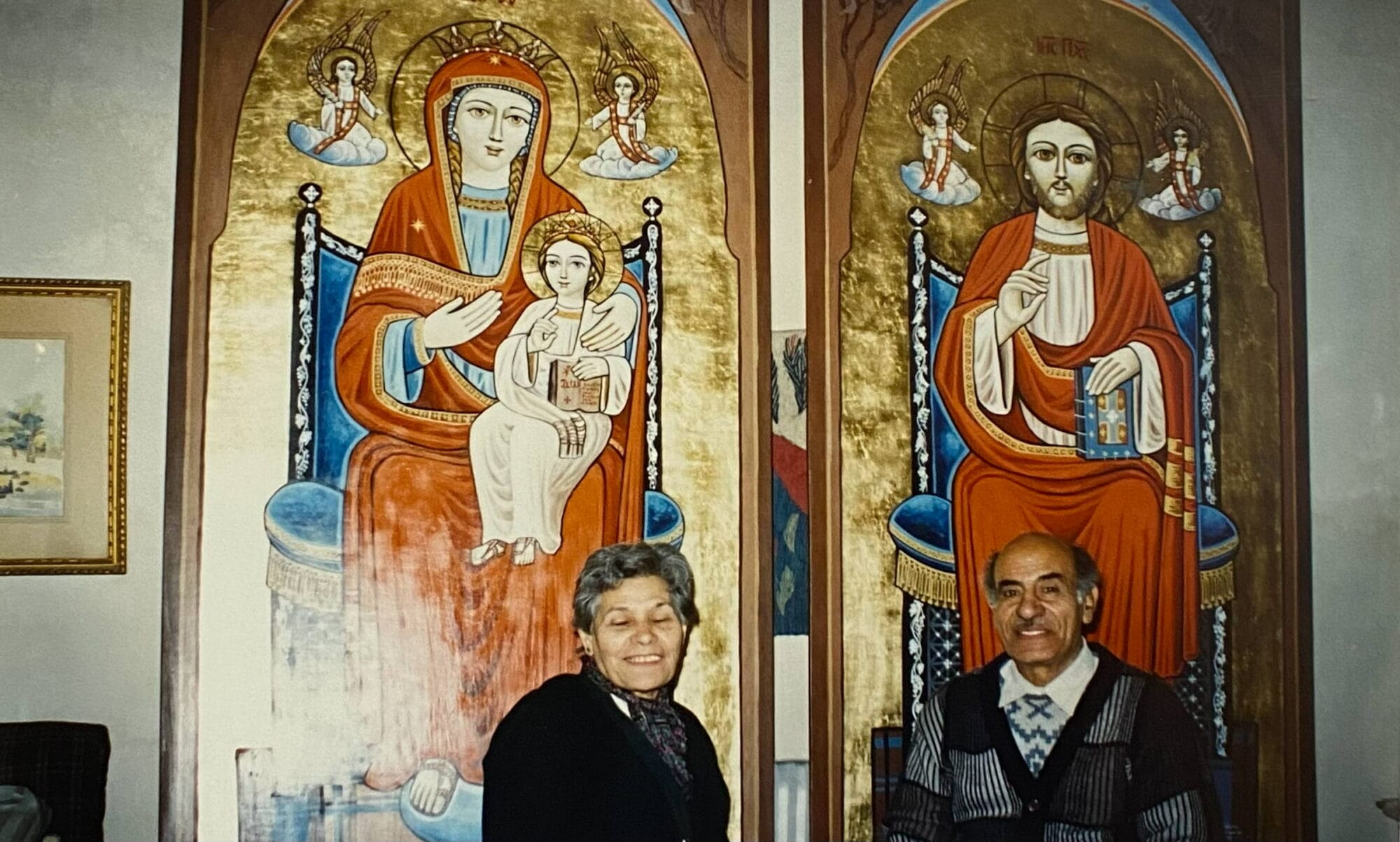
Figure 14: Bedour Latif and Youssef Nassief stand with their icons for the iconostasis of the Cairene Patriarchal Cathedral, 1992
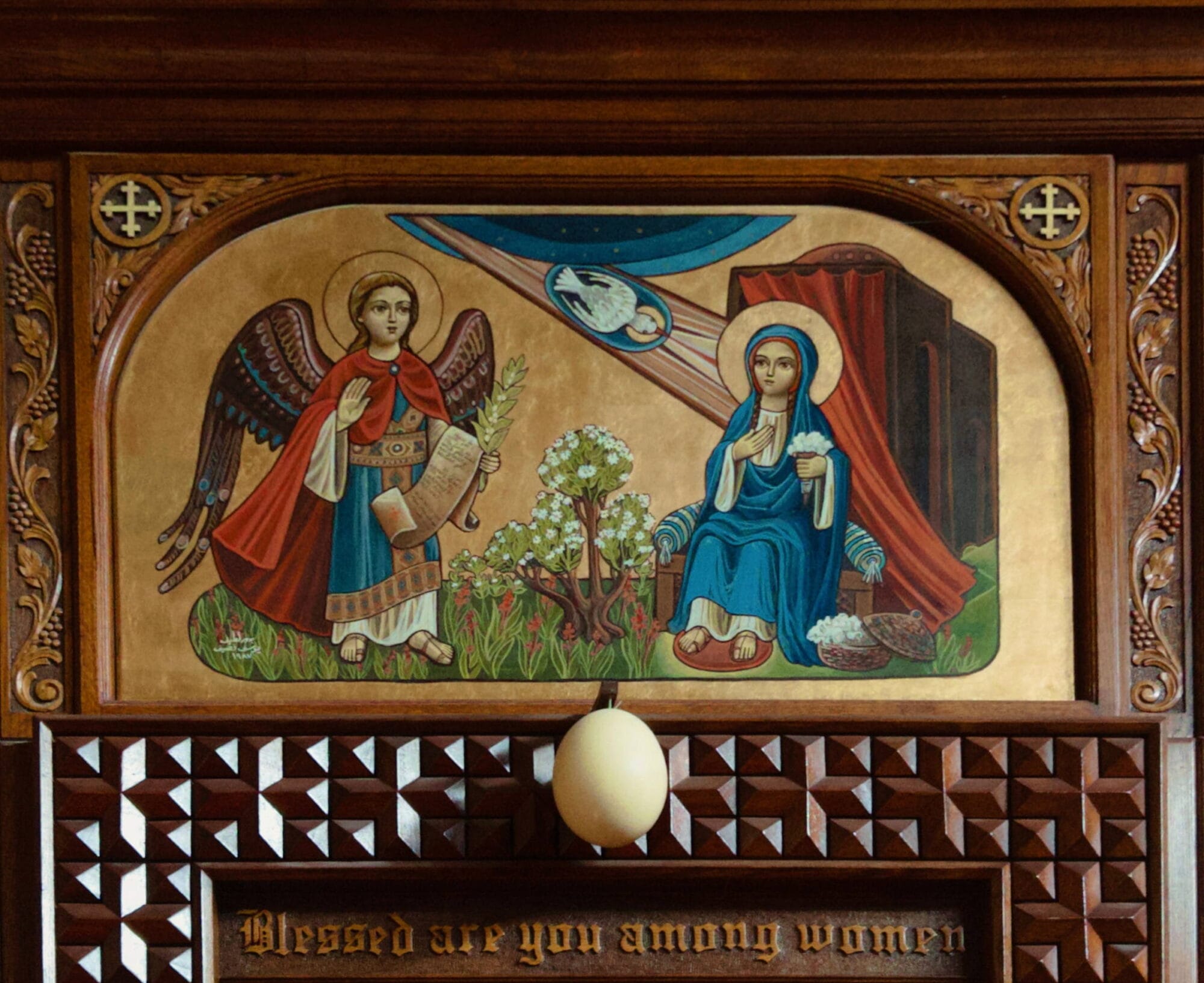
Figure 15: The Annunciation, Bedour Latif and Youssef Nassief, St Mark Toronto, 1987
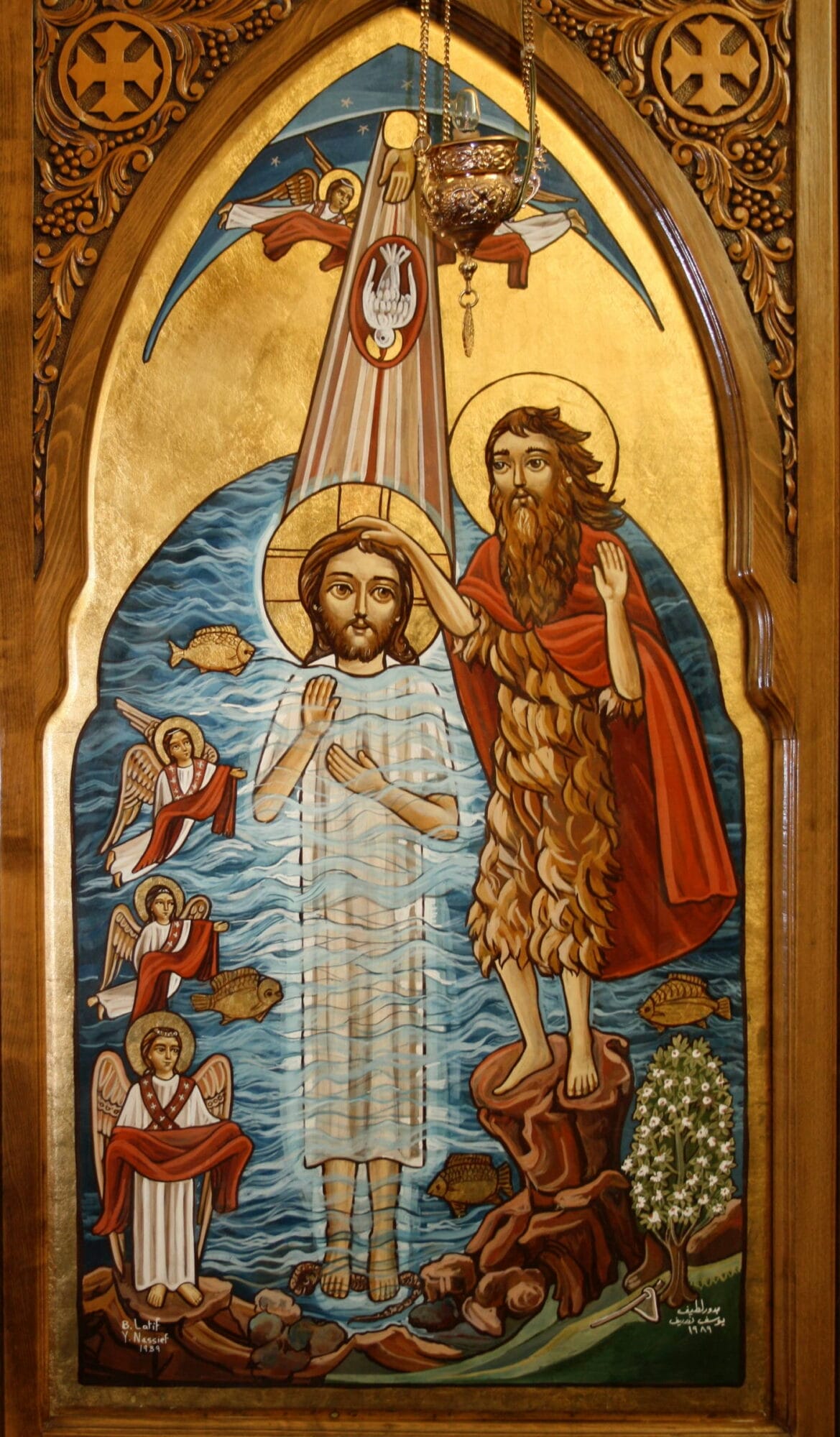
Figure 16: The Theophany, Bedour Latif and Youssef Nassief, St Mark Montreal, 1989
I was first taught iconography by an assistant professor of Fanous, Seham Guirguis, thirteen years ago (Figure 13). She taught me how to compose a face, a figure, and a scene, according to the principles she learned from Fanous. She emphasised the importance of mastering drawing and was keen to withhold brushes from me until I was first skilled with pencil and pen. The parish I was raised in, St Mark’s Coptic Orthodox Church in Toronto, was painted by a married couple, Bedour Latif and Youssef Nassief, that worked together (Figure 14, 15, 16). Working in a studio across from Fanous’, they were considered by Fanous and many of his students to be a “competing school.” Their work, while less cubist than Fanous, is by no means less Coptic. Their icons permeated my imagination, and I grew more and more enthralled by their handiwork as I delved into iconography. It was Seham who encouraged me to see their work as being complementary to that of Fanous. I was fortunate enough to also have frequent access to the Coptic Museum of Canada, which operates from the upper floor of St Mark’s. It was there that I was exposed to Coptic crosses, metalwork, a collection of very early Fanouses, an Ottoman icon by John the Armenian, manuscripts, and – a favourite – the paintings of Marguerite Nakhla, a teacher of Bedour Latif. This collection of art (Figure 17, 18, 19), and its curator, Dr Helene Moussa, were pivotal in my understanding of iconography as a living organism, an art, and part of an endless network of artists and contexts that all thread together and span across time, space, and history. My colleagues and mentors, Kirollos and Fadi, have also had a profound impact on me and my work (Figure 20, 21, 22), always pushing and inspiring me both in their love and work to offer my best, as Abel did. My graduate exposure to both art school and academia (having studied fine arts and art history, respectively), allowed me to further understand the grandeur of these networks. I have found that everything from figure drawing, colour theory, portrait painting, still-lifes, critiques, theses, art-history papers, printmaking, film, watercolour, and everything in school that seemed disparate from my work as an iconographer very quickly proved important for it. It was in art school that I truly learned how to think critically about what I see and what I experience: to find patterns, to take sketchbooks into museums, to walk into churches on street-corners that intrigue me, to find value in all who make art well, make art honestly, who make art with their entire being.
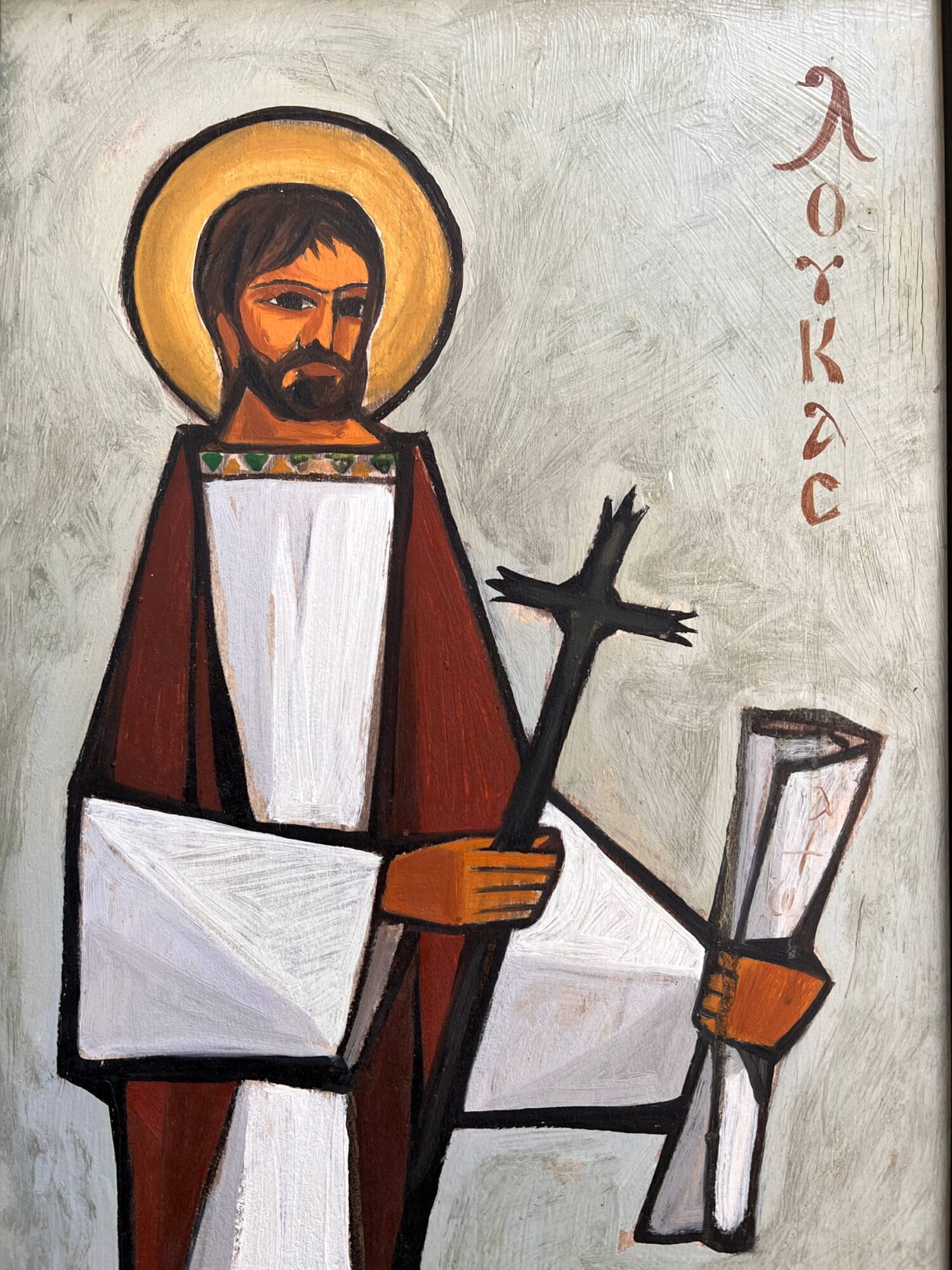
Figure 17: St Luke (detail), Isaac Fanous, Coptic Museum of Canada (CMoC), 1964
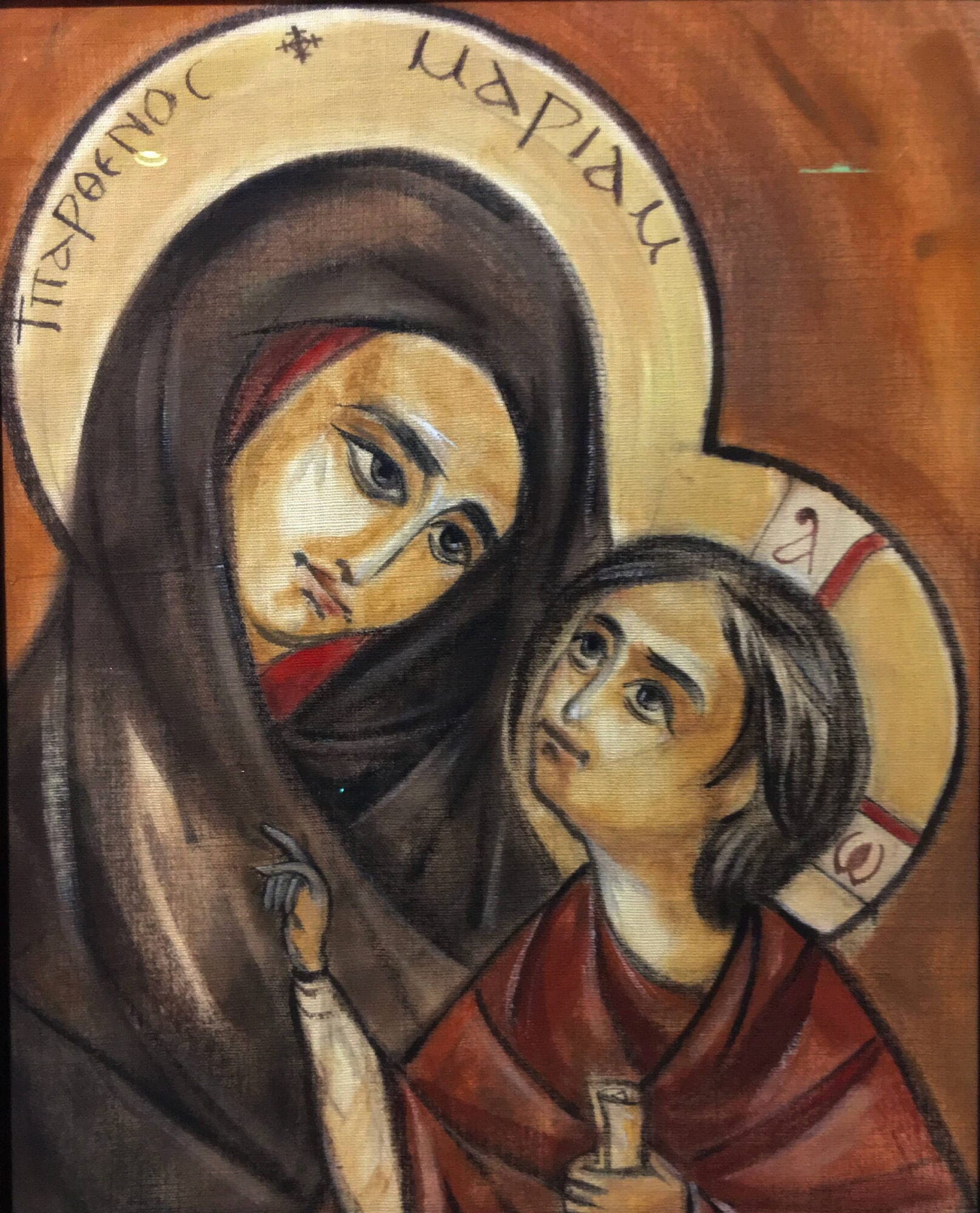
Figure 18: The Mother of God, Isaac Fanous, CMoC, 1964
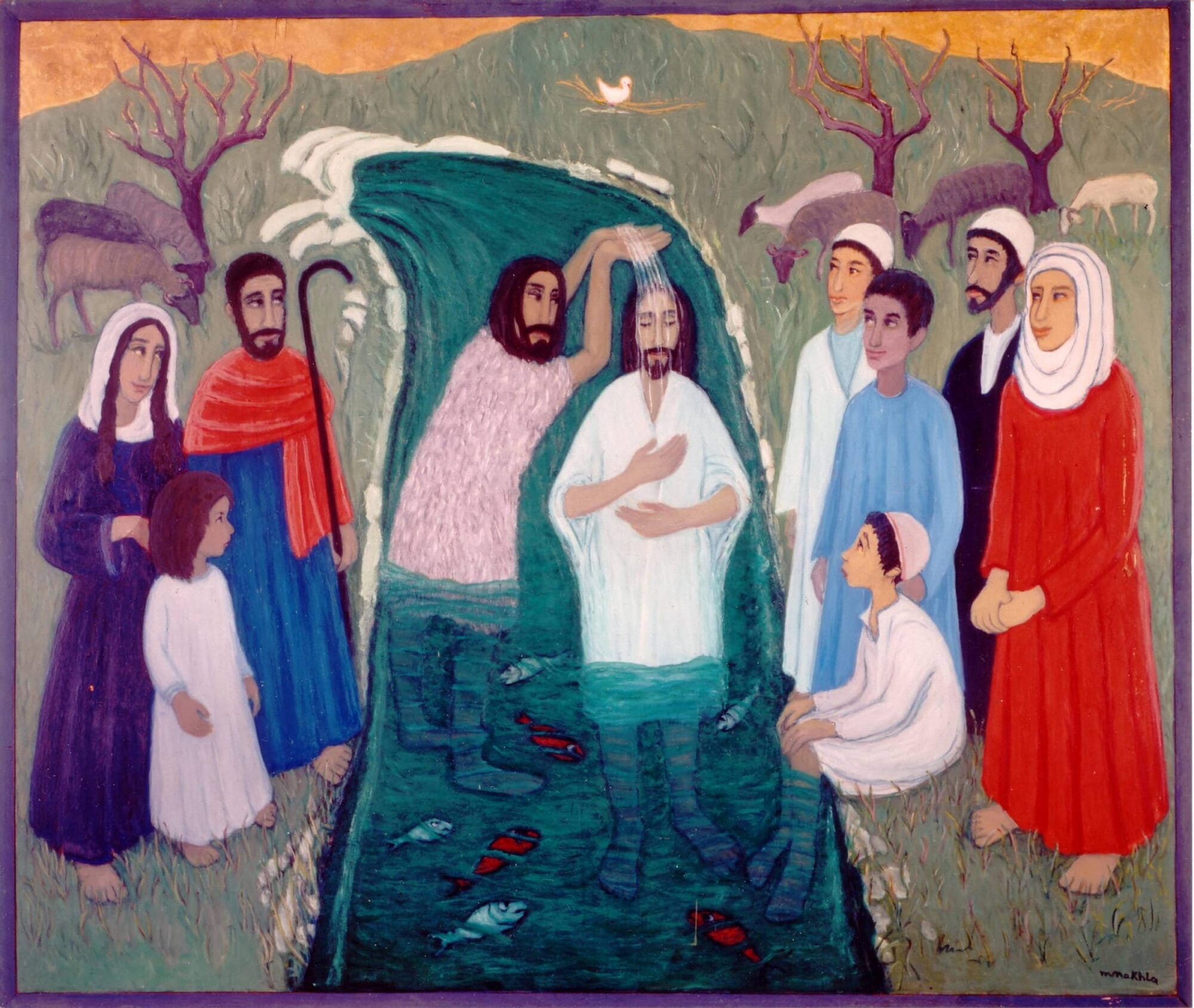
Figure 19: Le Baptème du Christ, Marguerite Nakhla, CMoC, 1974
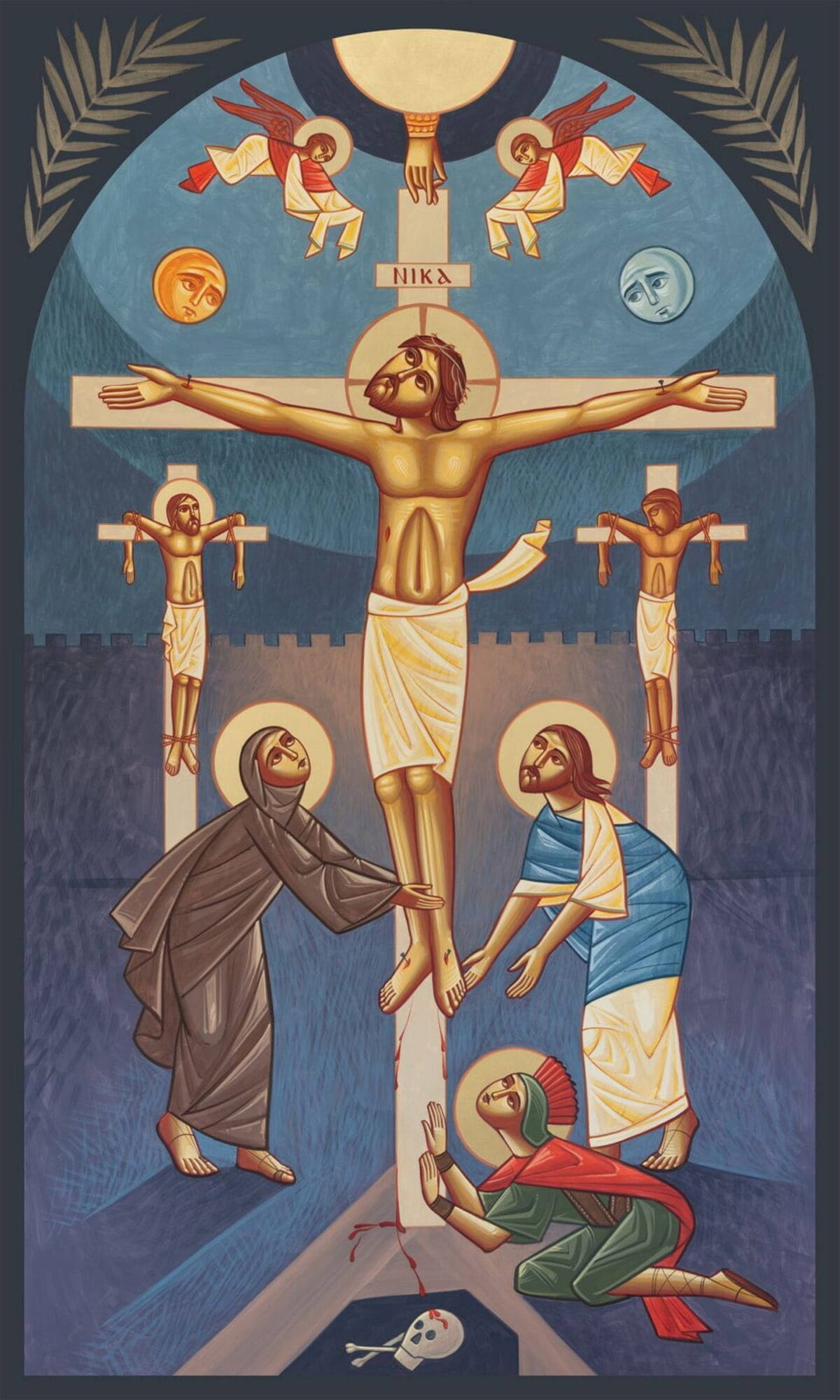
Figure 20: The Crucifixion, Fadi Mikhail, St Mina Clearwater, 2026
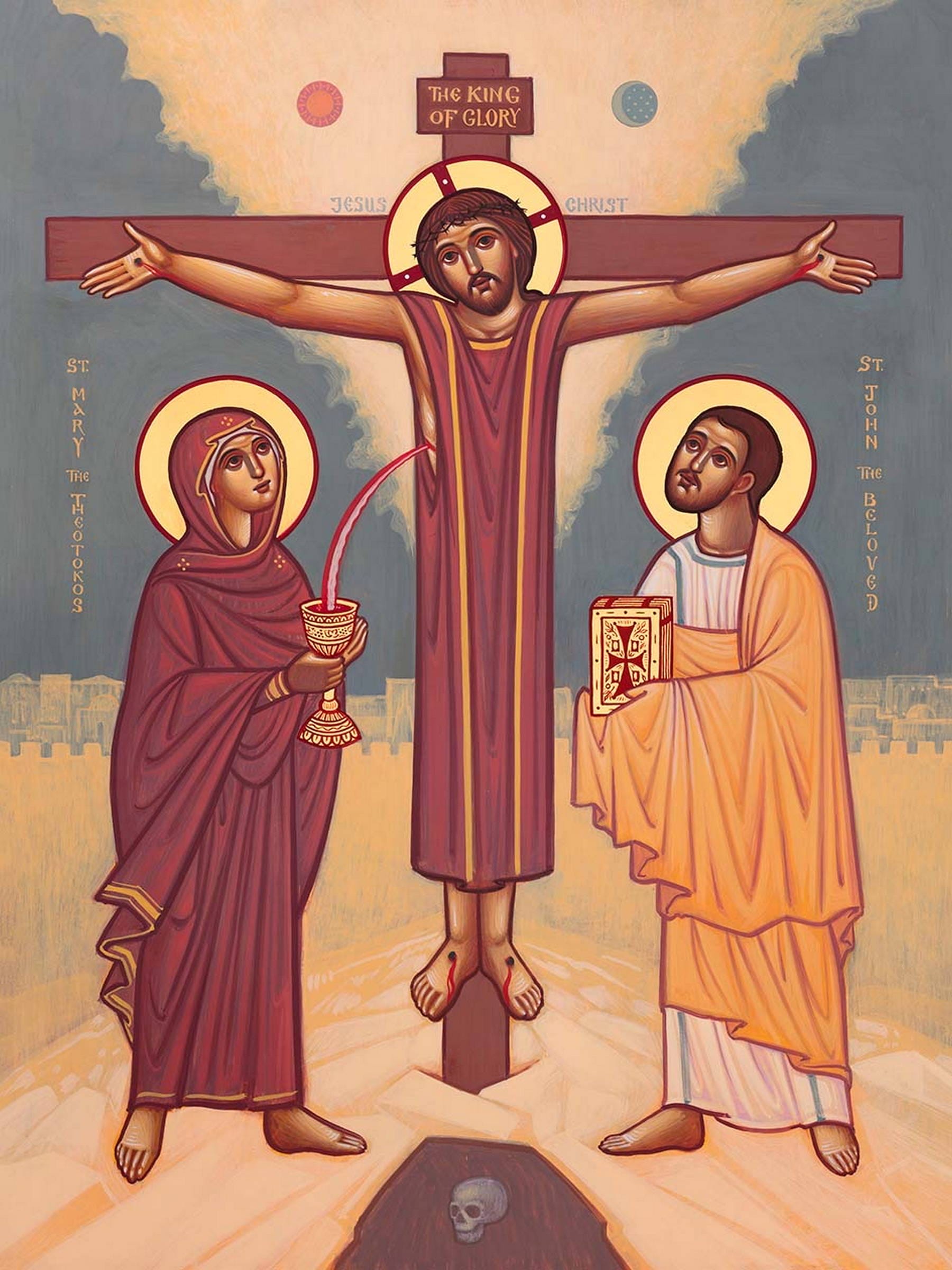
Figure 21: The Crucifixion, Kirollos Kilada, Private Collection, 2024
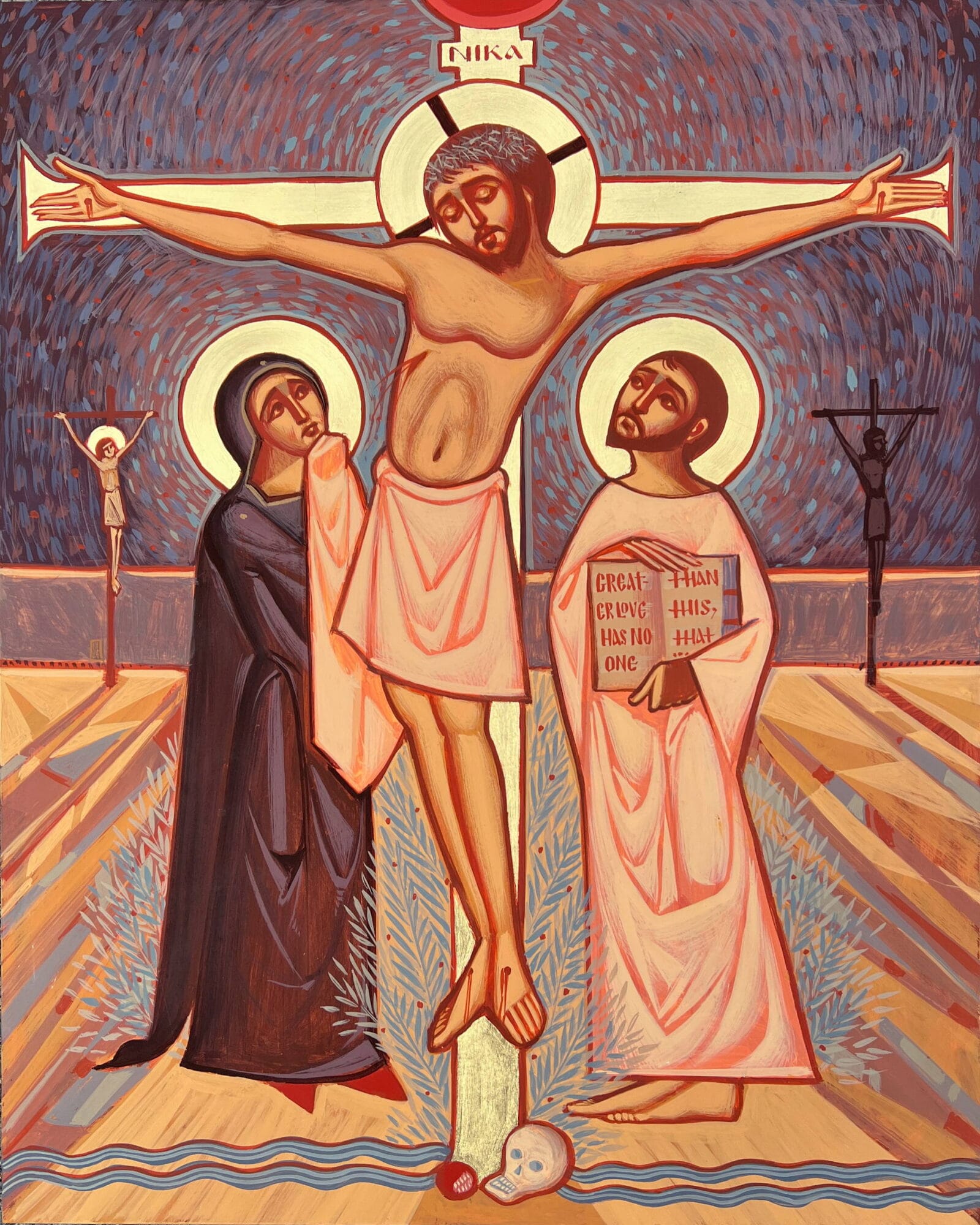
Figure 22: The Crucifixion, George Makary, St George and St Antony Ottawa, 2024
Seeing the fullness of art as being at the disposal of the artisans of the Church, I have come to ask: what if we focused on shaping centres of art education in such a way that instead of learning sacred art, we learn that art is sacred, now more than ever? If we are steeped in tradition, then we can build from there to offer art–all of art–at the altar of the Church. I find a clear example of this in the Sacred Art Movement in Paris. Founded in 1919 by Maurice Denis (Figure 23), a leading member of the ‘Nabi’ Movement, their studio worked to promote higher calibres of craftsmanship in Catholic churches, particularly those being rebuilt after the first World War. One can see the vividness of the aforementioned networks here, too: Maurice Denis and the Nabis were greatly influenced by Gauguin, a student of Pissarro. Maurice Denis would later mentor Sister Joanna Reitlinger, who in turn mentored Gregory Kroug and Leonid Ouspensky, who in turn mentored Fanous (Figure 24, 25, 26). The Dominican friar and priest Marie-Alain Couturier was a member of Denis’ studio, and he would later work with Henri Matisse on the Vence Chapel (Figure 27), a project I have drawn great inspiration from recently. While the friar’s preferences did veer towards the evocative and overly-abstract, his zeal towards quality of creation in the Church is noteworthy. Matisse, a giant of modern art, found the journey of creating a sacred space to be the crowning achievement of his career. Inspired by his friendship with Sister Jacques-Marie Bourgeois, he spent four years on the project, meticulously designing the architecture, stained glass windows, ceramics, murals, doors, furnishings, lighting, and vestments. It was in this small chapel, and in the love that moved it, that he found a fullness of expression,
“Is not love the origin of all creation?
Nothing is more gentle than love, nothing stronger, nothing higher, nothing larger, nothing more pleasant, nothing more complete, nothing better — in heaven or on earth — because love is born of God and cannot rest other than in God, above all living beings.”
Matisse on Art, 1978
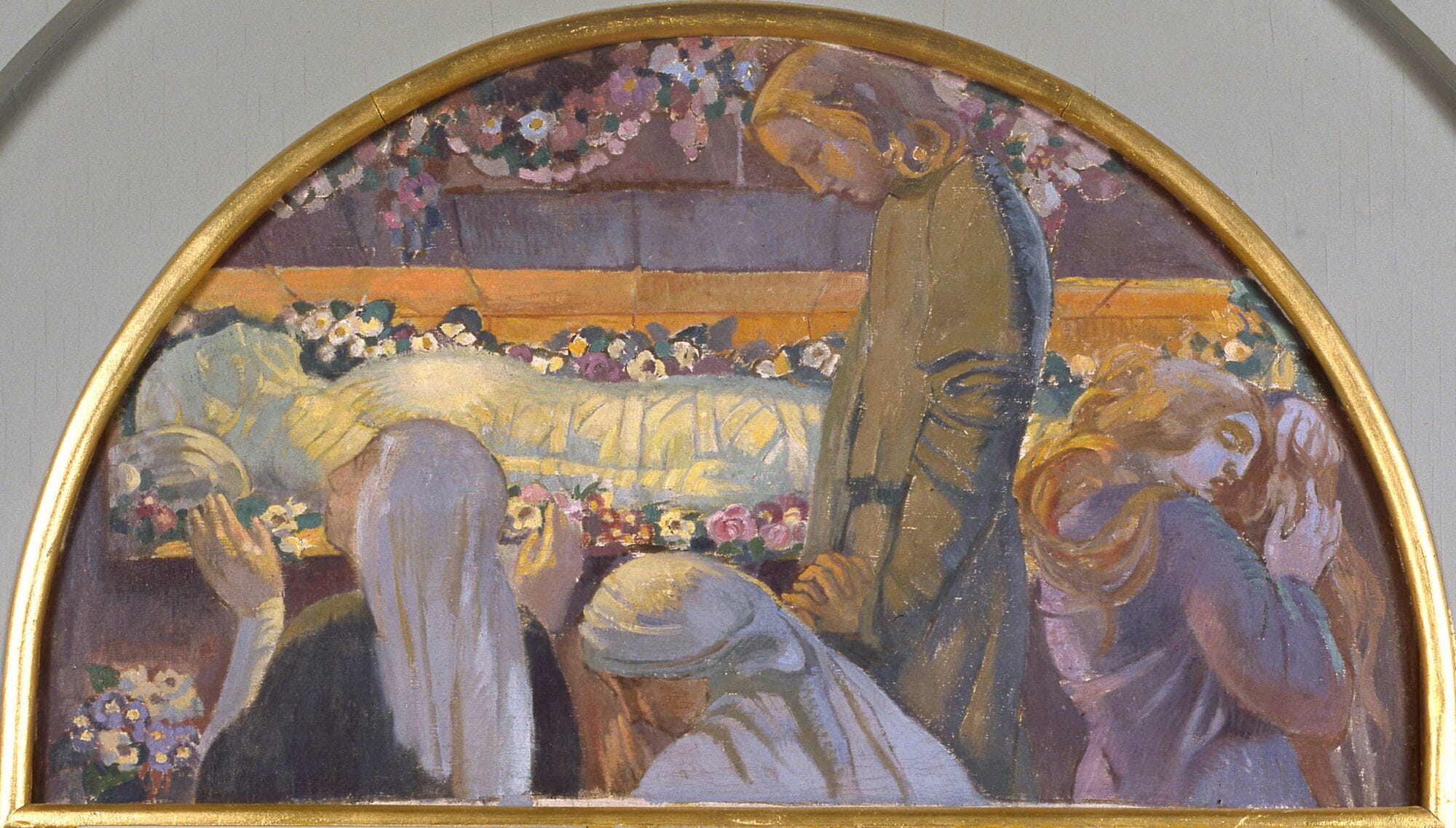
Figure 23: Station XIV – Jésus Est Mis Dans Le Tombeau, Maurice Denis, Chapelle de Saint-Germain-en-Laye, France, 1915
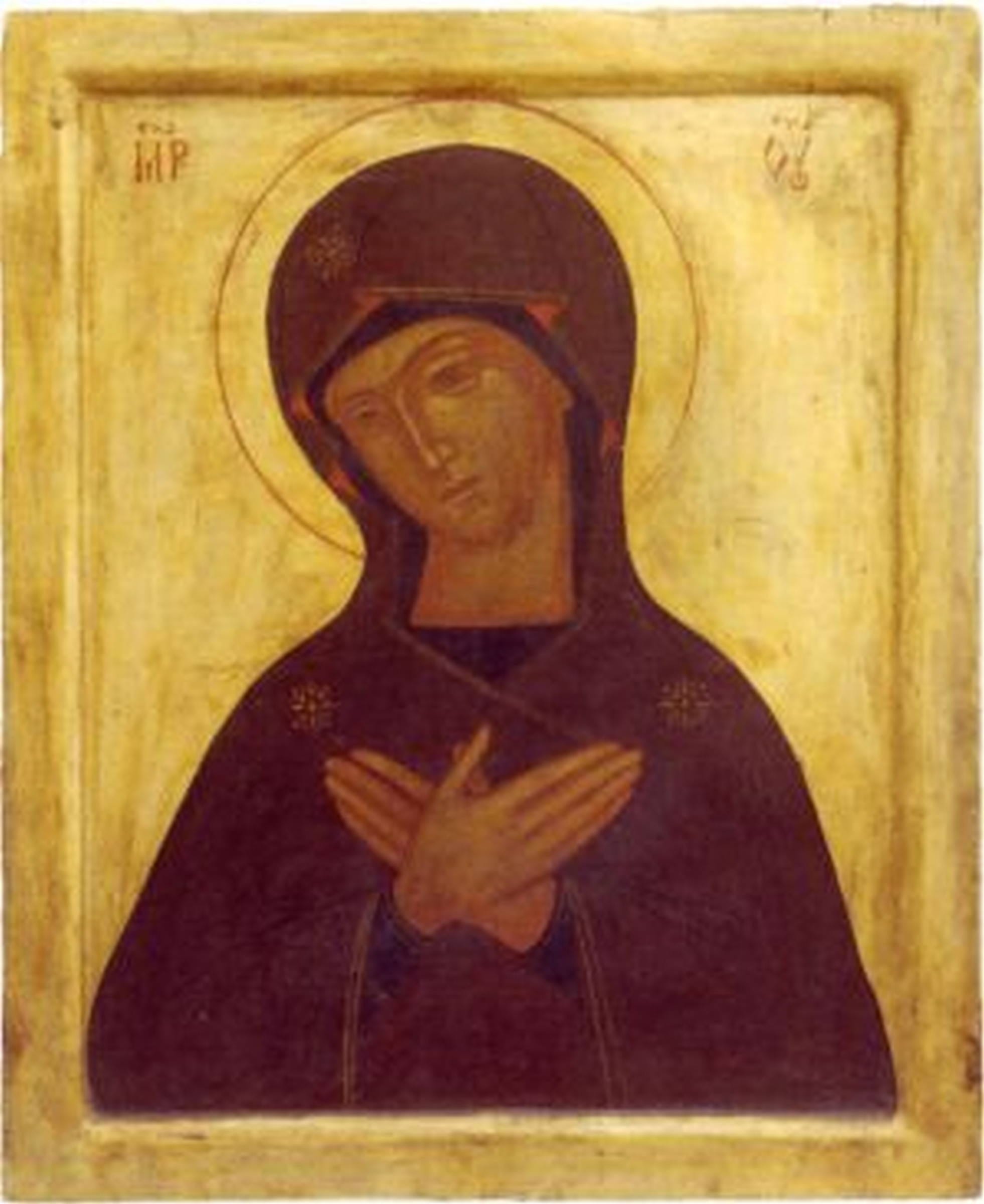
Figure 24: The Mother of God, Sister Joanna Reitlinger
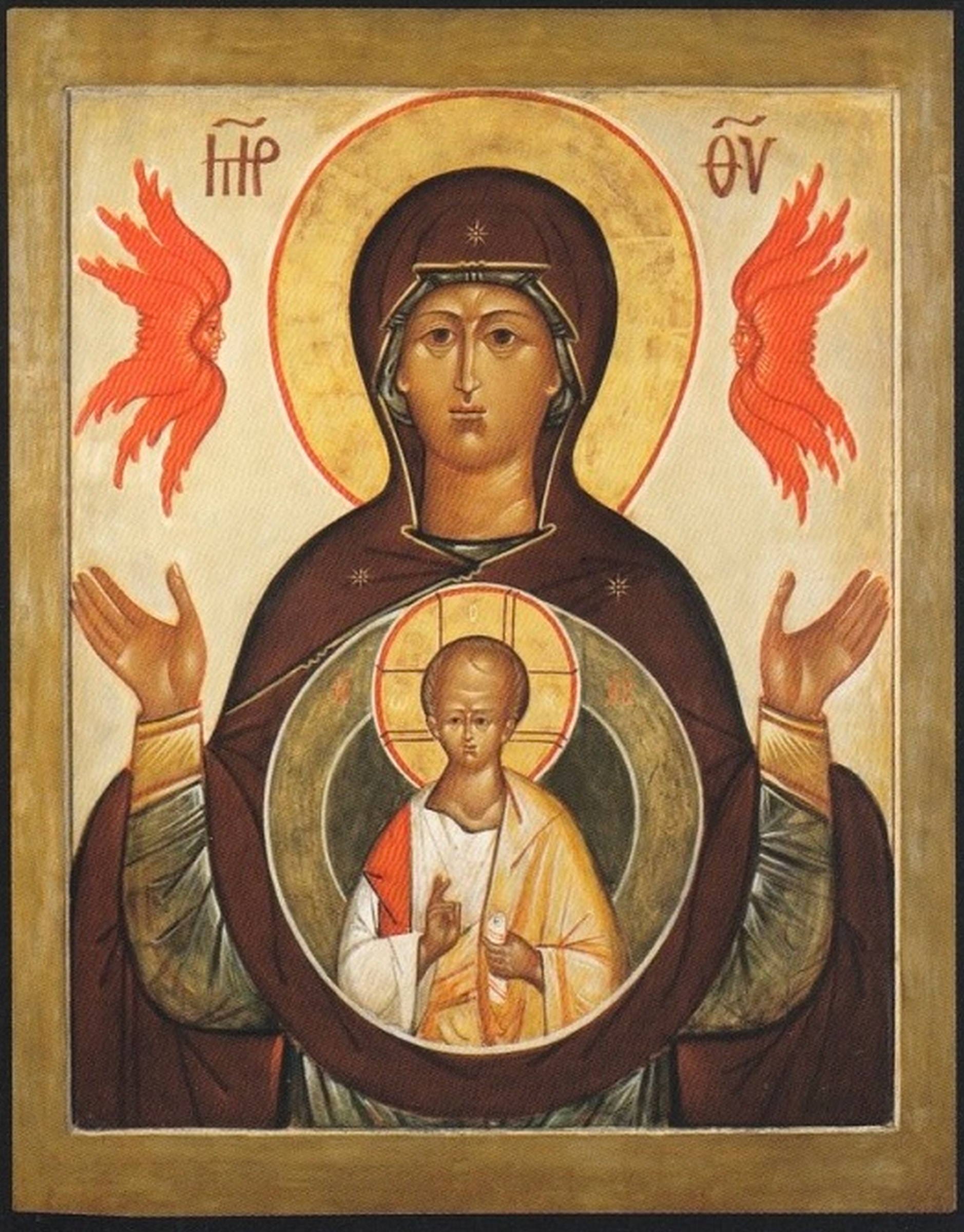
Figure 25: Platytera, Leonid Ouspensky, Eglise Notre Dame joie des Affligés et Sainte Geneviève, Paris, 1972
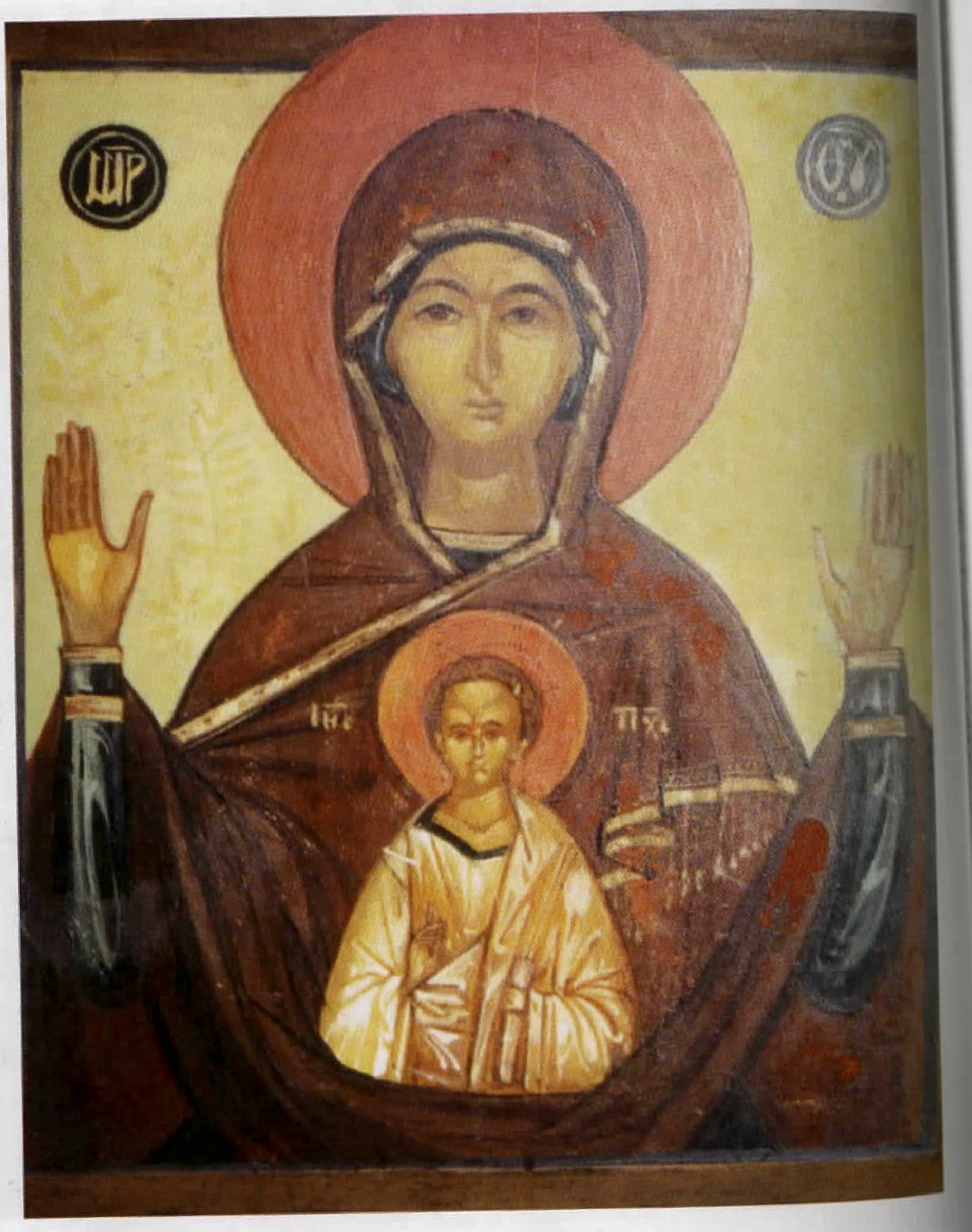
Figure 26: Platytera, Isaac Fanous, painted in Paris under Ouspensky, 1965
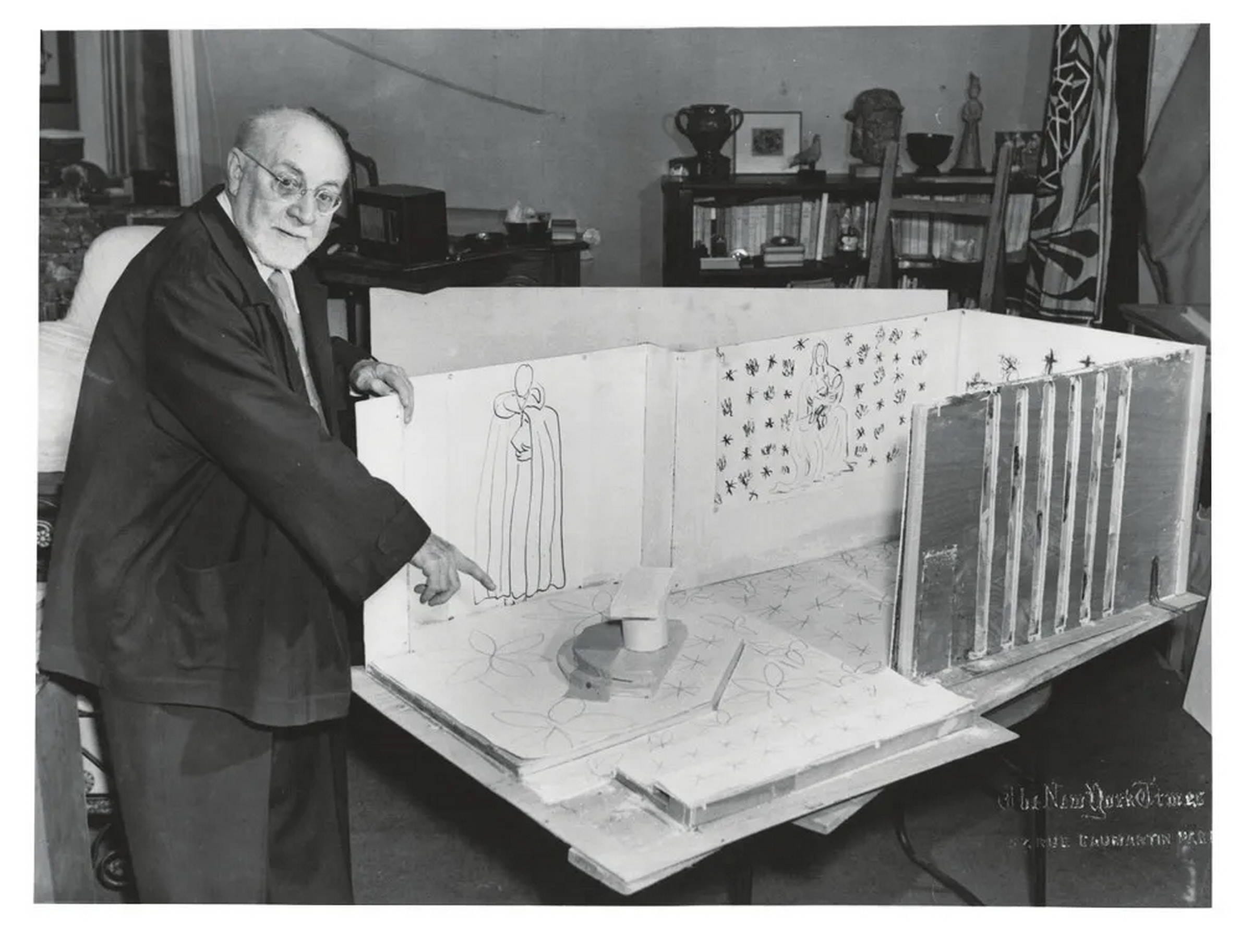
Figure 27: Henri Matisse presents a model of the Vence Chapel, Nov. 24, 1948
What does the Vence Chapel have to do with Coptic art?
There is a strong parallel between what Fanous and the Dominican friars aimed to achieve in their work. Both worked tirelessly against the prevalent art sulpicien or ‘religious kitsch’ that had come to dominate the interior of their churches. Fanous was largely shaped by the art movements that surrounded him (Figure 28, 29), and he took the principles of art that he felt were at the forefront of the art world’s movements and applied them to the art of his church. He essentially took what he understood to be the most successful elements of modern art and offered it at the altar of the Coptic church. He engaged the totality of his mind in internalizing the tenets of Pharaonic art, and in doing so developed a system of reading the following centuries of Coptic art, which he then interpreted in his own work. This, I believe, was his exploration of what creativity is, and it seems that this exploration provides a plausible and delightfully challenging opportunity for today’s young Coptic iconographers to explore creativity as vehicle for understanding the true, the good, the beautiful, and to convey it not only to today’s Copts, or even today’s Christians, but to today’s world. This is not just originality in form or inventiveness, but authenticity in expression. A similar project can be seen in the work of the famous Egyptian architect, Rameses Wissa Wassef. One of his masterpieces, the Coptic Church of St Mary in Zamalek (Figure 30, 31, 32, 33), included icons from the foremost Coptic painters of the time: Isaac Fanous, Marguerite Nakhla, Ragheb Ayad, and Emma Caly. He designed the woodwork, stained glass, pews, pulpits, and iconostasis, and incorporated mosaic, metalwork, tapestries, providing a model for how Coptic churches ought to be designed today. He engaged with a fullness of creativity, craftsmanship, and design, building a harmony between all three and marrying tradition and creativity and ordaining them as a uniform conductor. The Wissa Wassef Centre, and the internationally-renowned masterpieces of tapestry weaving (Figure 34, 35) that its weavers produce to this day, stands as a living manifesto of the architect and his vision, as well as the visions of his contemporaries that we ought not to be withheld from building upon in our endeavours today:
“[the tapestries] are the results of an experiment I undertook [in 1952]. They have been produced by young peasant boys and girls in whom the idea of art was not yet something divorced from daily life. They all started making tapestries at the age of about eight. They composed and wove these tapestries by improvising them at the loom… these children were not selected for any special qualities they may have possessed. I can confirm, however, that no child is devoid of most surprising gifts… drawing is a means of expression just as natural as language.”
Ramses Wissa Wassef, ‘The Tapestry-Making Experiment At Harraniya’, 1967
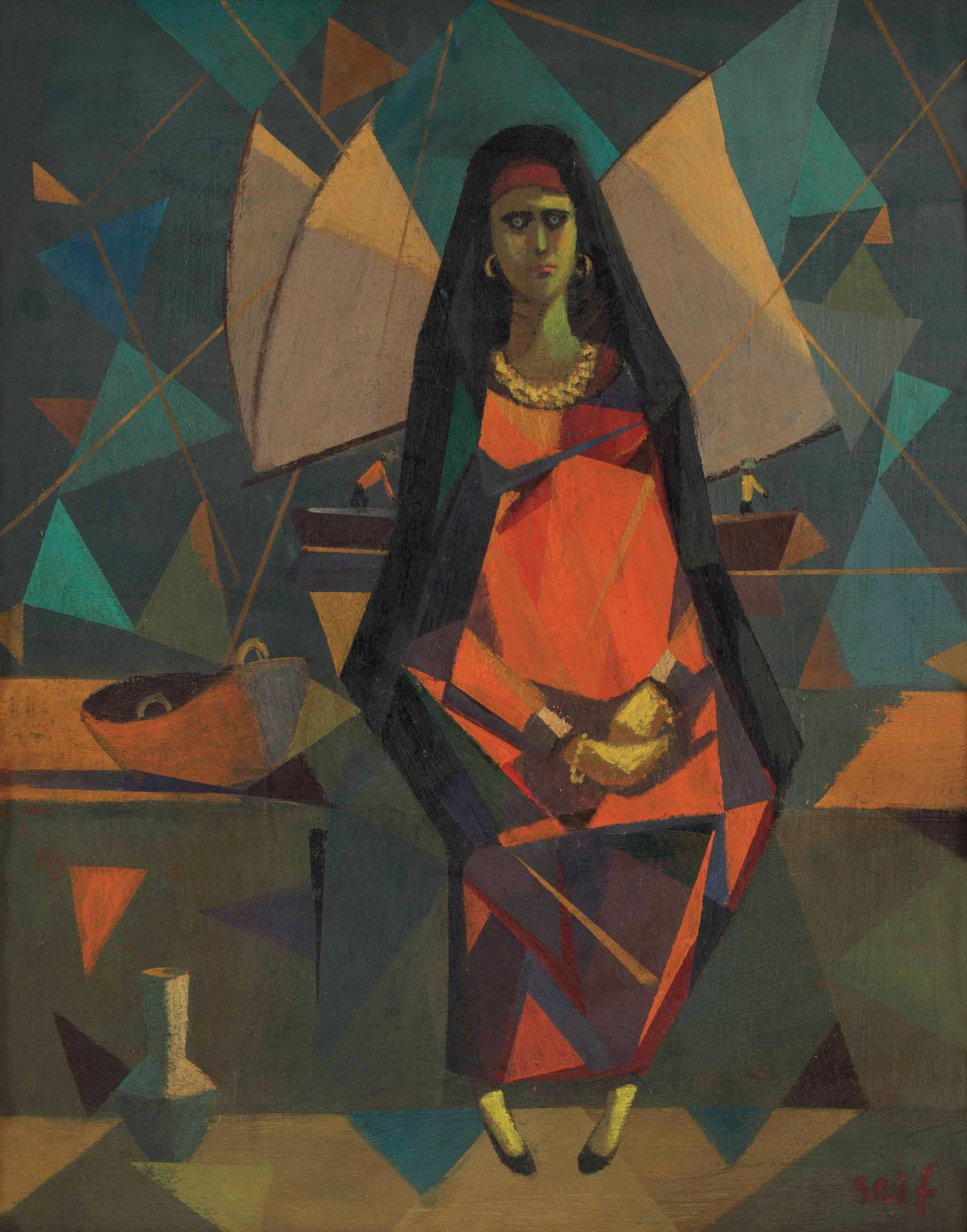
Figure 28: Nubian Woman, Seif Wanly, late 1950s
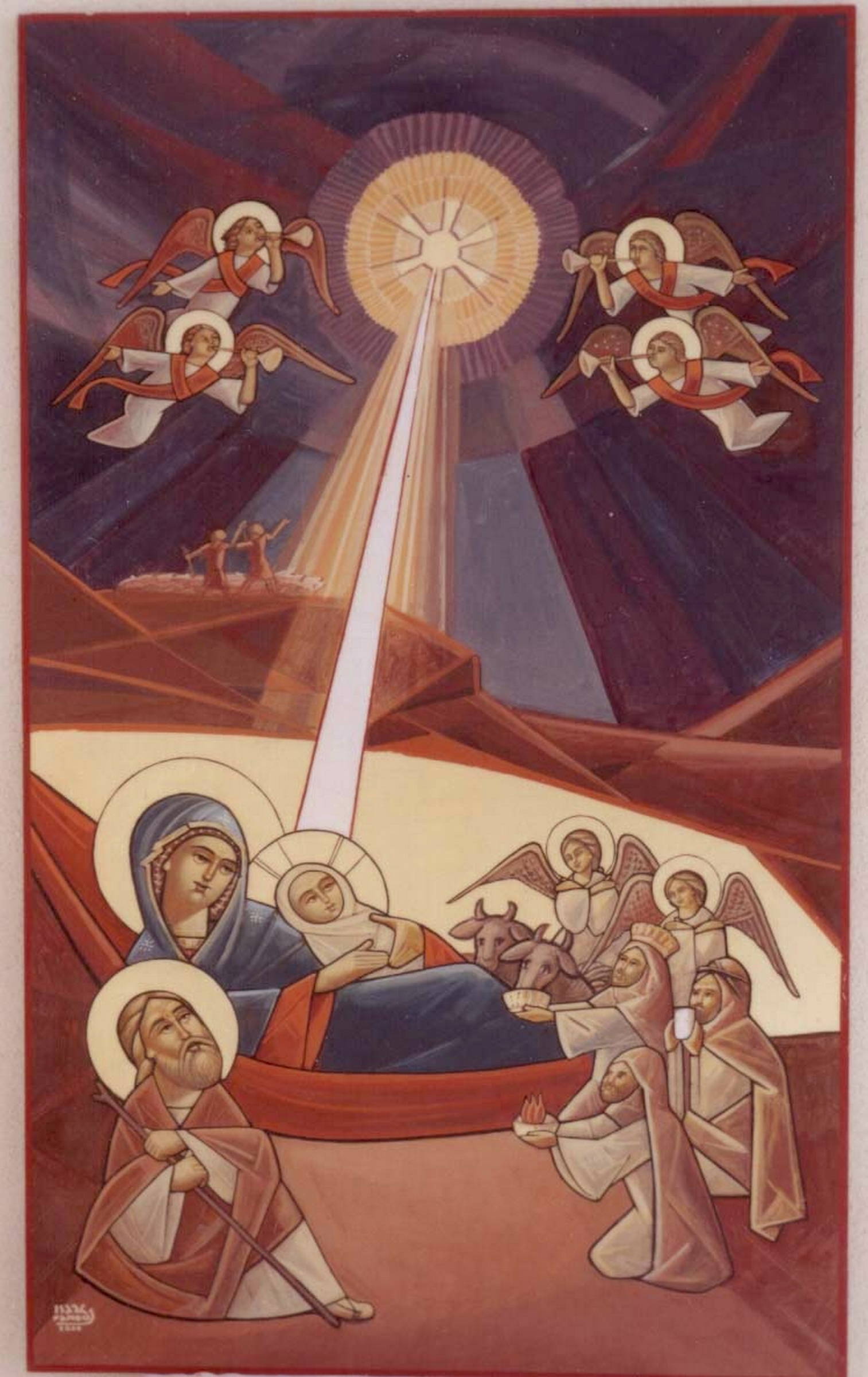
Figure 29: The Nativity, Isaac Fanous, St Mark Los Angeles, 2000
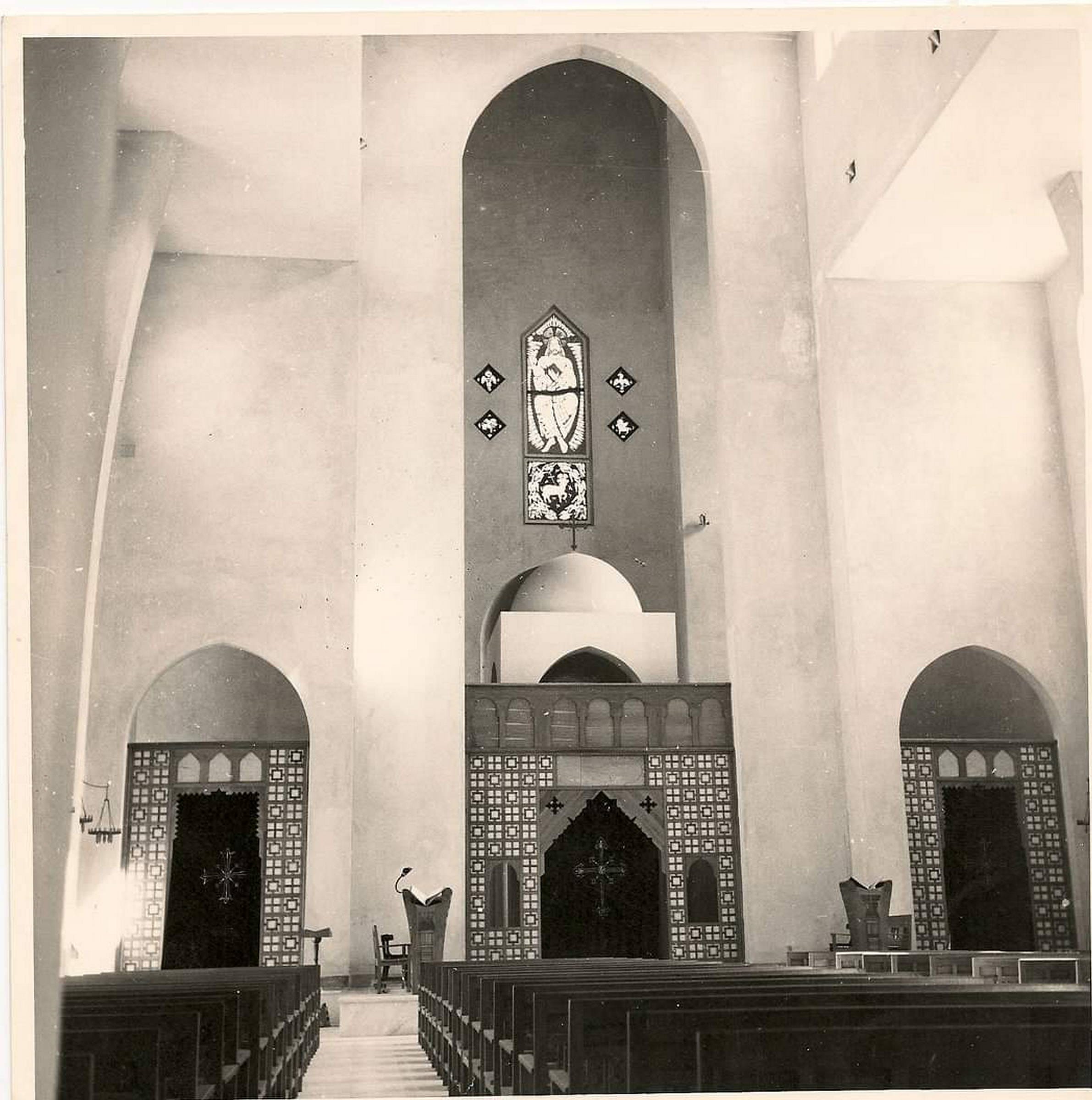
Figure 30: Interior view of the Church of the Virgin Mary in Zamalek designed by Ramses Wissa Wassef, shortly after its construction in 1957
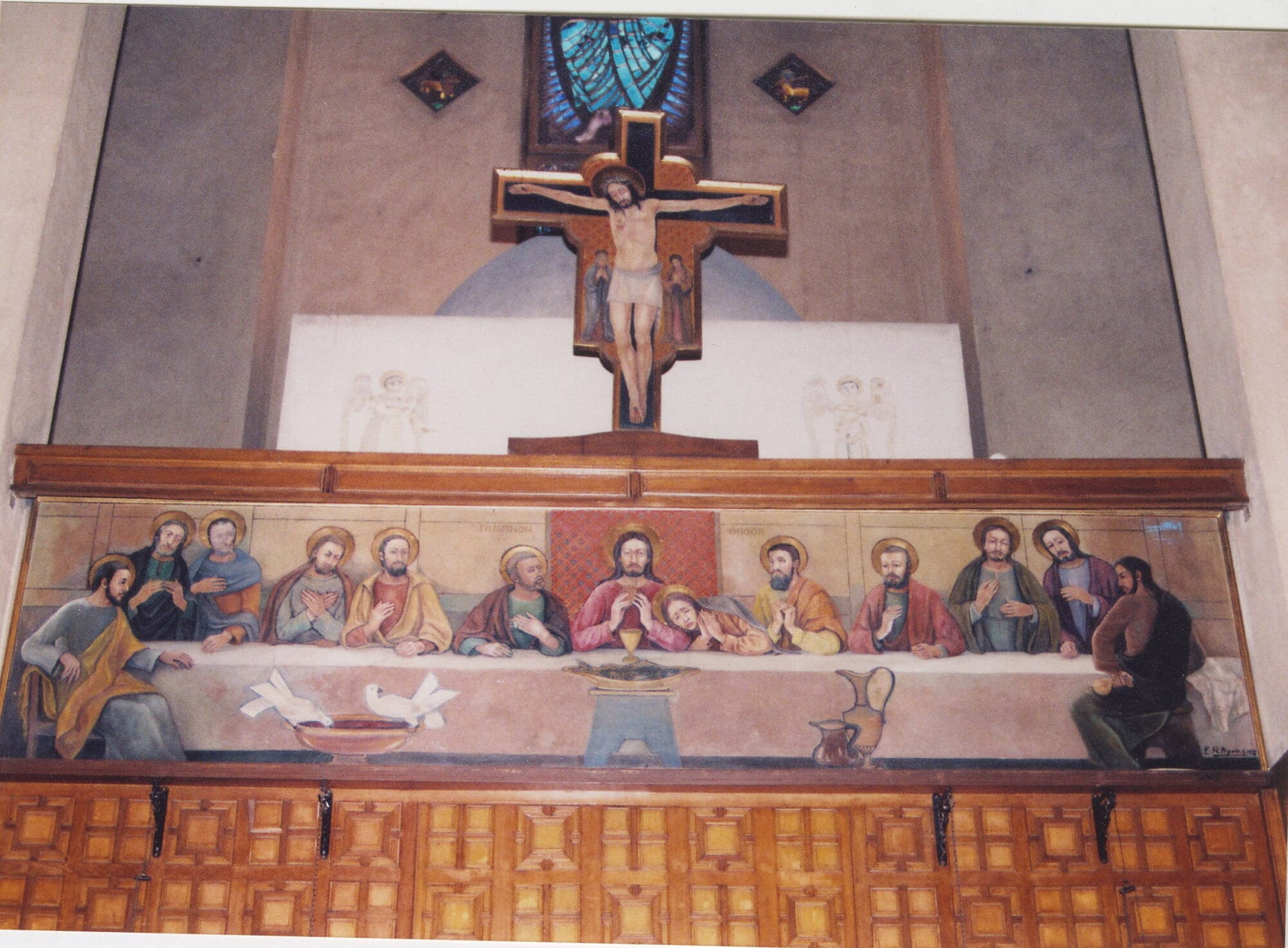
Figure 31: Crucifix and Last Supper, Emma Caly and Ragheb Ayad, St Mary Zamalek, 1972
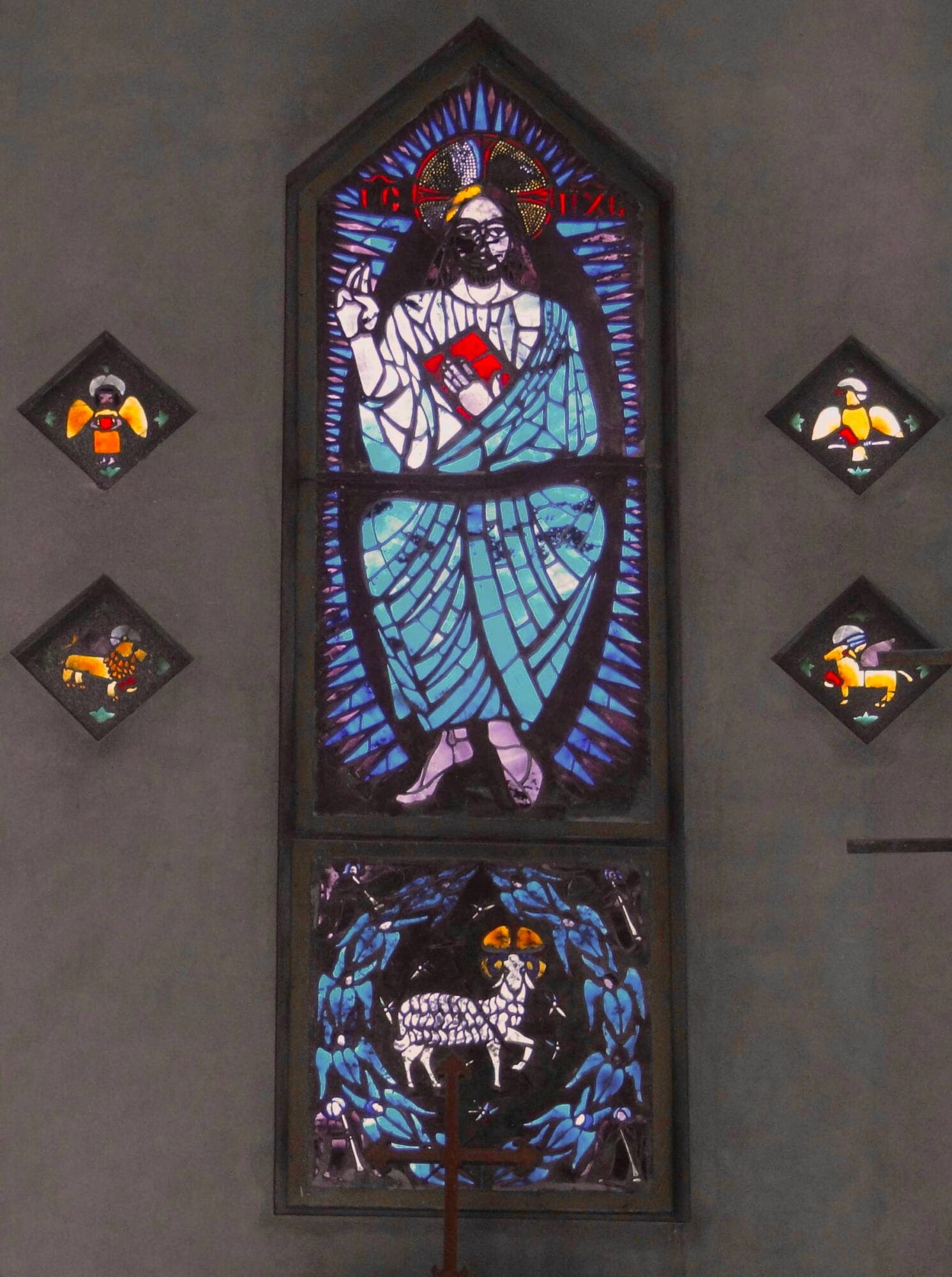
Figure 32: Christ Pantocrator, stained glass designed by Wissa Waaef, St Mary Zamalek
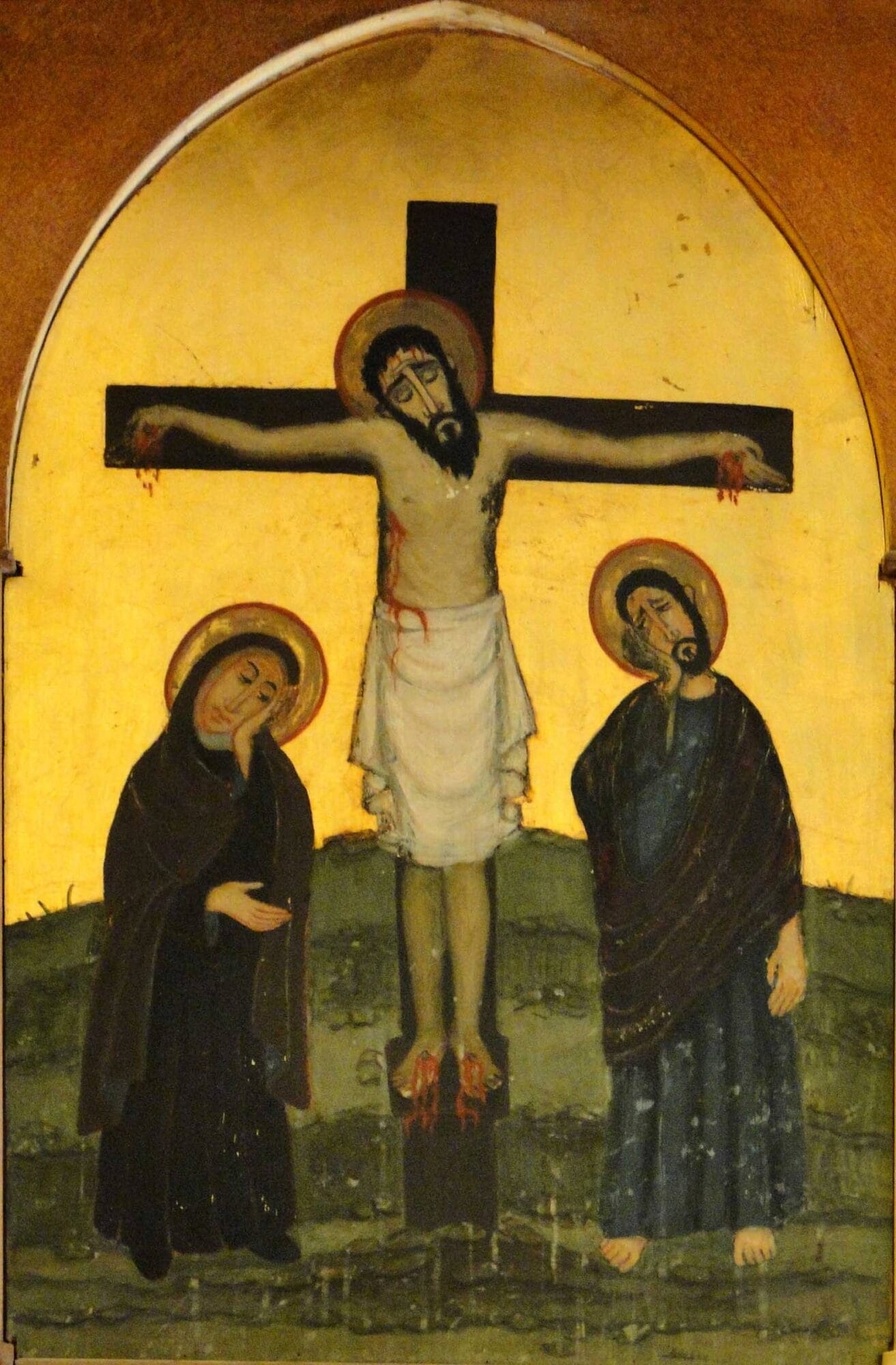
Figure 33: The Crucifixion, Marguerite Nakhla, St Mary Zamalek, 1959
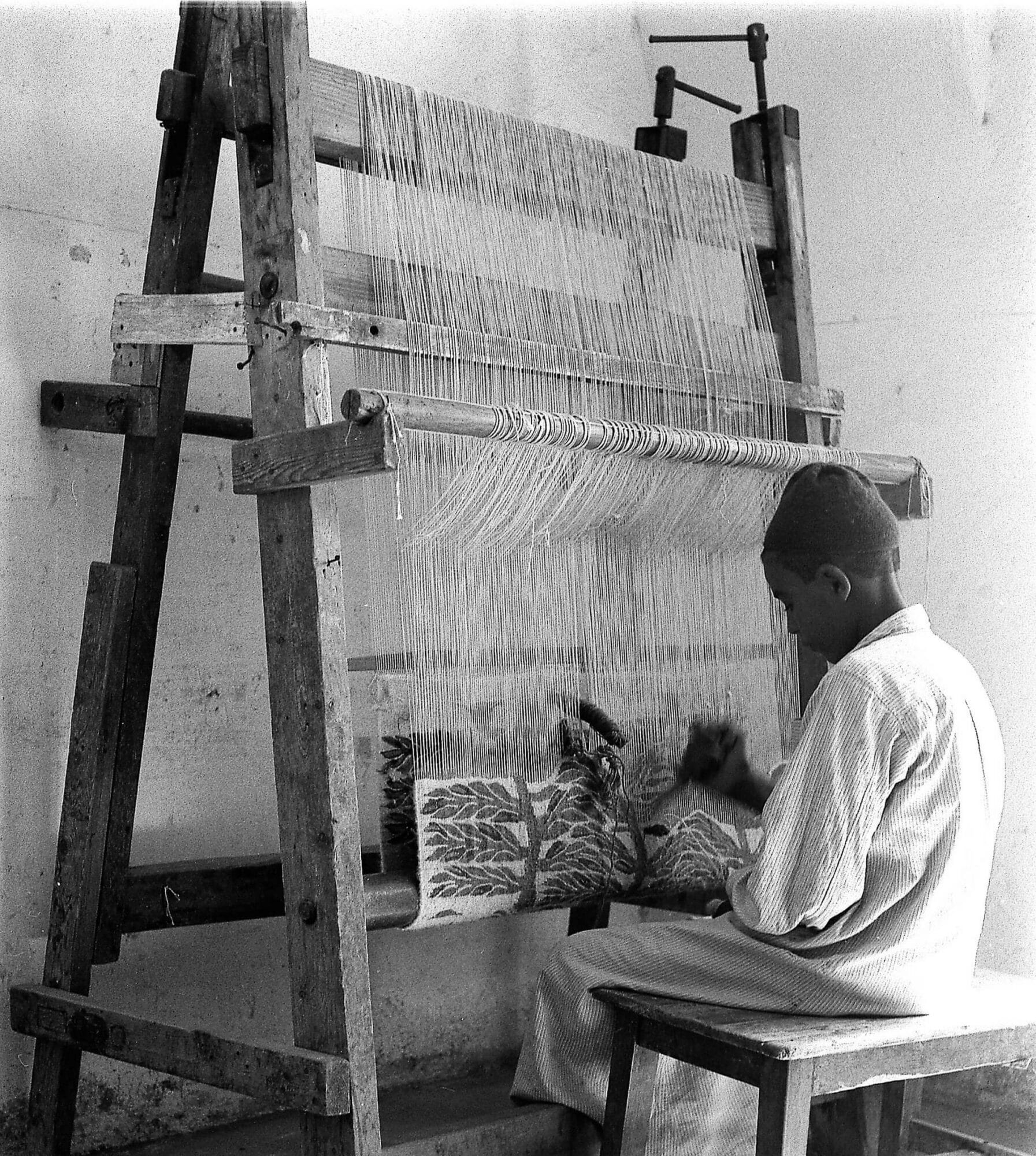
Figure 34: A young weaver at the Wissa Wassef centre, 1962
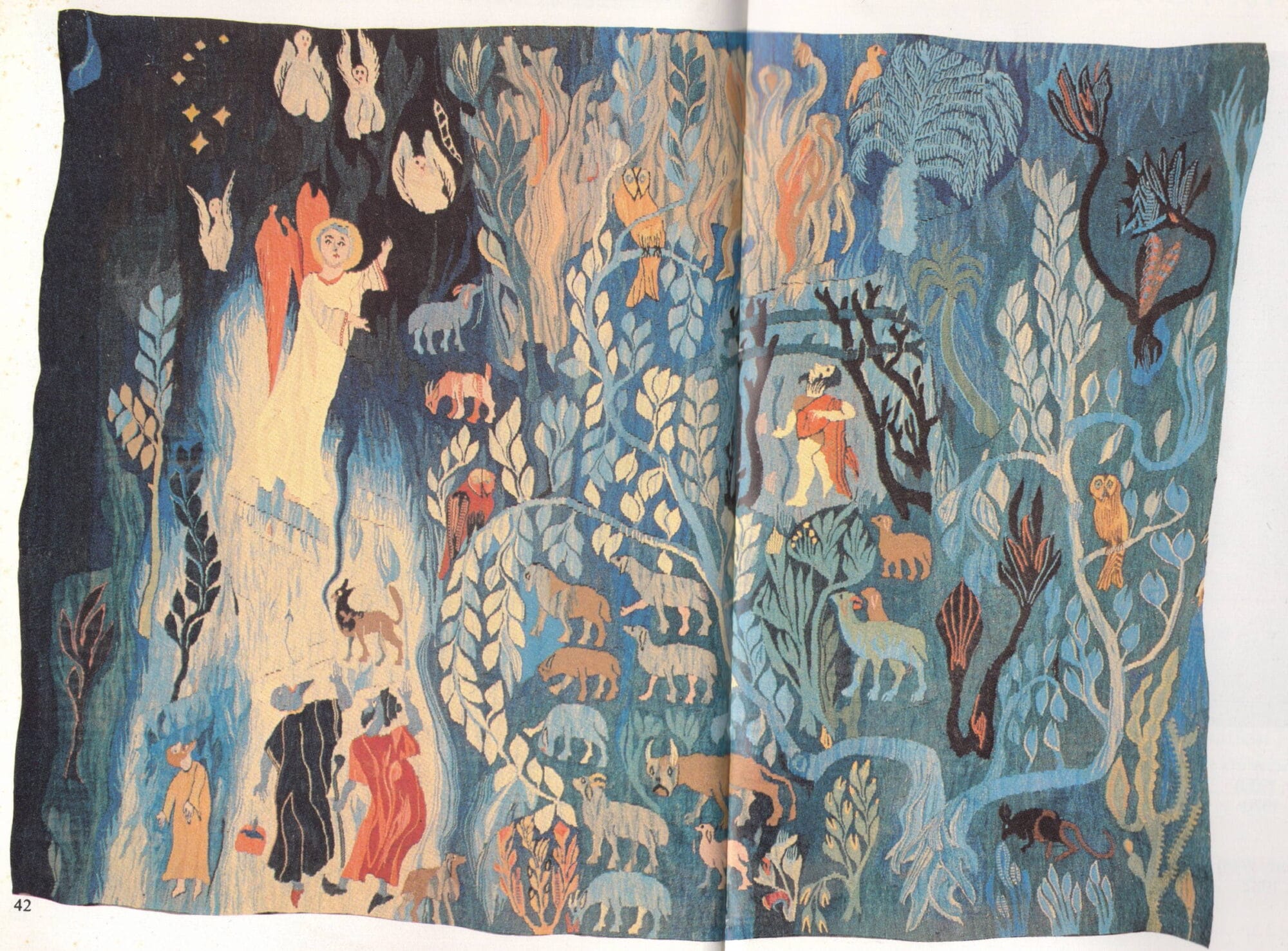
Figure 35: Annunciation to the Shepherds, Fayek Nicolas, 1957
While I believe that the canon established by Fanous is critical in how the incoming generation of Coptic iconographers is formed, I also believe it is natural that, after being rooted in that canon, we explore the entirety of our tradition as a language. I believe that it is also natural that, if this generation works authentically to create in a robustness of quality, there will be a diversity that is only indicative of genuine understanding of what we make images of and what images are to begin with.
Today, Coptic iconographers are called to ask fundamental questions: Why create? What is an image? What images are appropriate for worship? What does it mean to create in an age of artificial intelligence, social media, and digital reproduction? What demands should an image meet? Not meet? What qualifies an image technically or aesthetically? Theologically? How can iconographers be trained in both the visual arts and theology, history and principle? How can the Fanousian formula be adapted in a teacherless landscape? What does ‘stability’ look like in an artistic tradition that has great variety, change, and recontextualization? What is the role of priests, hierarchs, and synod? How can Copts become literate in the language of art, image, and sight?
While these questions may be overwhelming, Coptic iconographers sit in a unique, if not advantageous position in the broader world of Orthodox iconography and sacred art. Coptic visual tradition is extremely rich in its visual range. There has always been a greater variety of form and style in Coptic visual expression, I believe, in relation to other traditions which may emerge from more homogeneous patterns or systems of representation. The Coptic iconographer thus emerges from a pre-existing movement to explore creativity more holistically, drawing from a large basin of inspiration without a major fear of breaking any dominant “styles”. Simply put, it is relatively more difficult to answer the question of what a Coptic icon should look like, as opposed to perhaps a Byzantine or Ethiopian icon. This has advantages and disadvantages. On the one hand, it hinders accountability to create disciplined work, on the other, it allows for a greater exploration of expression and a greater creativity. I believe, however, with this greater breathing room for “creativity” comes the responsibility to ask what creativity even is to begin with. How must it be bridled, if at all?
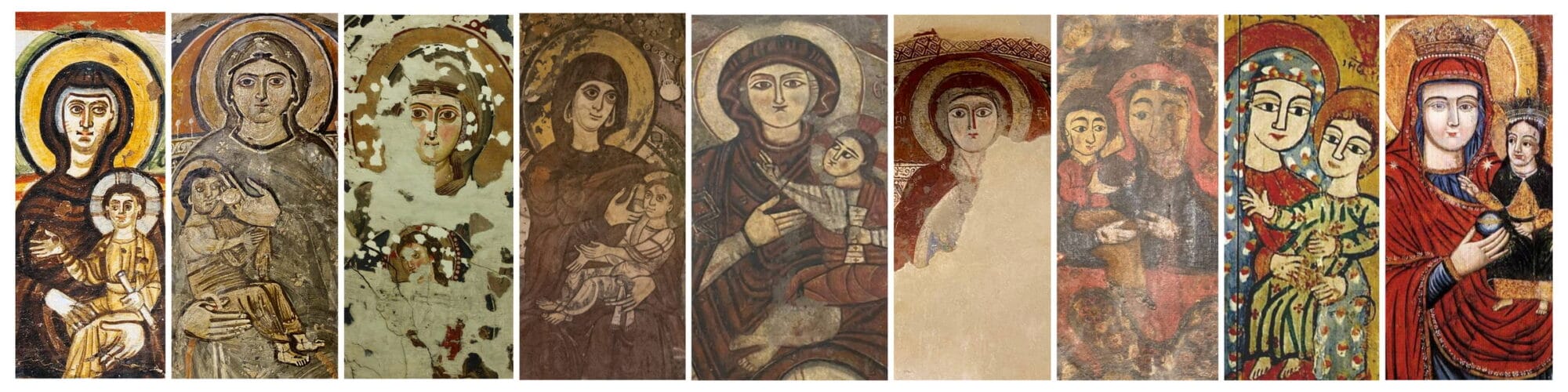
Figure 36: Paintings of the Virgin Mary in Egypt from Baouit (6th-7th century) to the Ottoman period
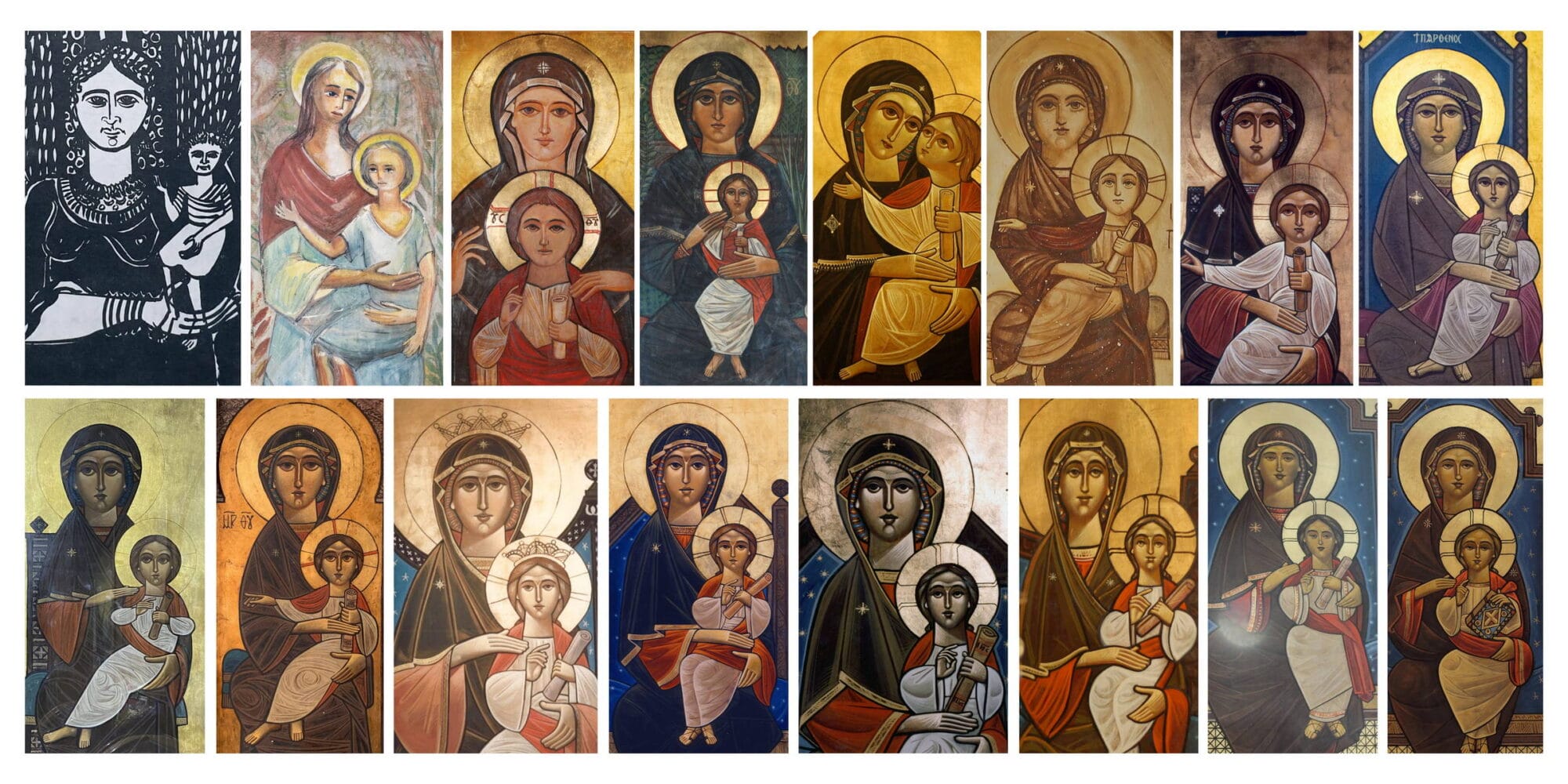
Figure 37: Sixteen icons of the Mother of God painted by Fanous throughout his career, spanning from the 1950s to 2002. The images are organized in chronological order.
As an example, we can look at Coptic depictions of the Mother of God across two axes. On one axis, we have representations of the Virgin Mary across history, from the earliest (in Egypt) in the Bagawat Oasis to the ones that sit on our easels today (Figure 36). On the other axis, we can look at icons of her painted only by Fanous between the 1950s to the early 2000s (Figure 37). On the first axis, the approach may toggle between heavy emphasis on line, and less emphasis on plasticity, or the inverse. They may be more or less decorative, compact in composition, elaborate in detail, severe in expression, gaze, body language, more or less monumental. The figures may be stoic or playful, serene or dynamic. They may face each other or face us, the Mother may be draped in brown, red, or blue, she may be feeding Him, pointing to Him, or embracing Him. The colours may be vibrant, muted, emphatic, or neutral. This great variety of form alongside clear consistency in content reveals to us a vivid movement, heartbeat, and understanding of the subject that is real. The Virgin and her Son are very real to these painters, she is expressed in a way that is immediate to them and is consequently related to an environment where she is an active agent, a dynamic, living person. The message contained in all the iterations is clear: she is the Mother of God, without doubt, and He, Being God, is also Man, without doubt. Her closeness to Him reveals an intercessory role that is powerful, and the icon is an invitation for us to enthrone Him, who longs to live in us.
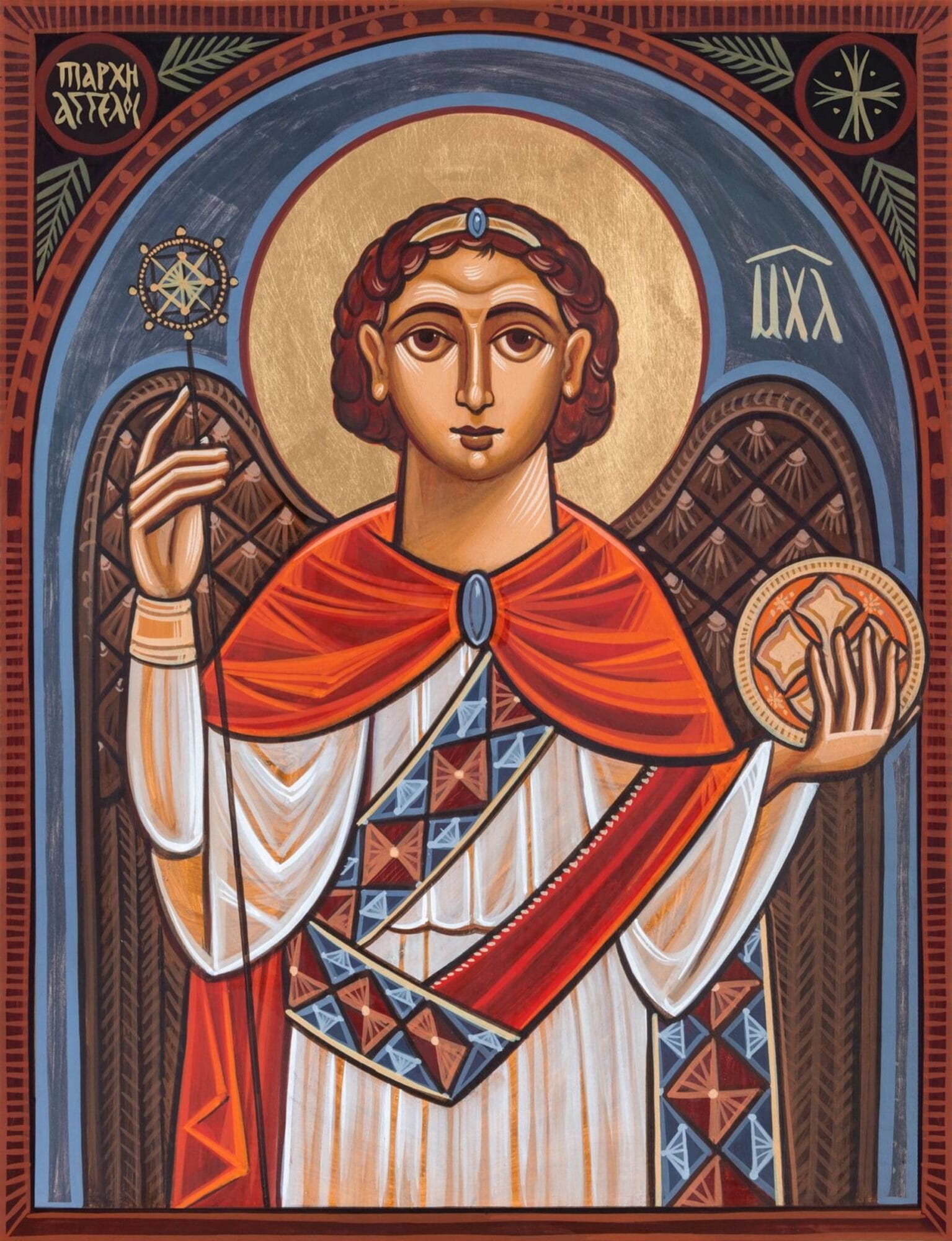
Figure 38: Archangel Michael, Fadi Mikhail, Private Collection, 2020
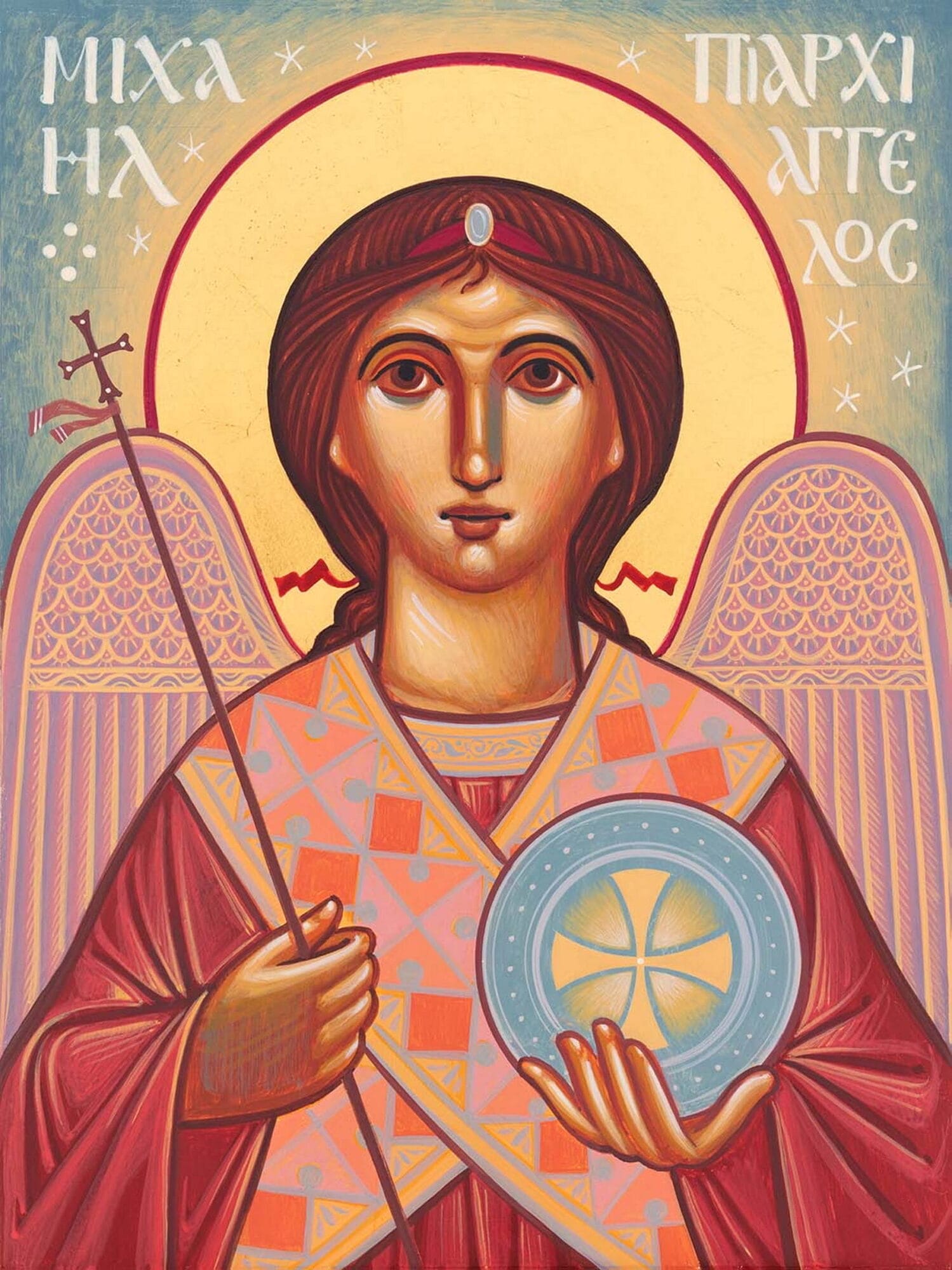
Figure 39: Archangel Michael, Kirollos Kilada, Private Collection, 2025
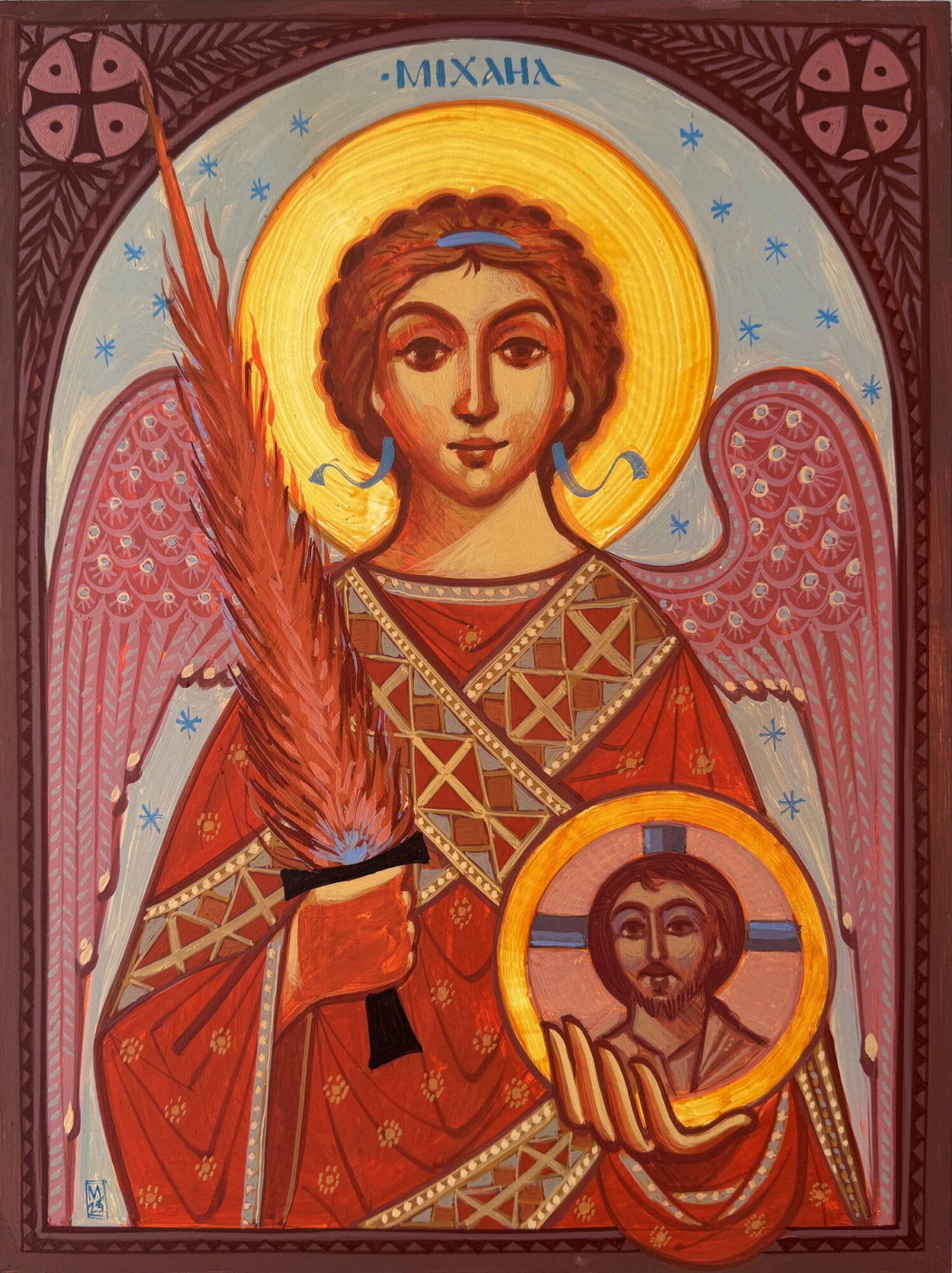
Figure 40: Archangel Michael, George Makary, Private Collection, 2025
The uniqueness between the approach of myself and my colleagues (Figure 38, 39, 40), if governed by the same principle, can perhaps reveal a “personal ecclesiastical art” as coined by Dr George Kordis, which denotes an iconographic tradition that is alive, healthy, and authentic. If I were to paint the same icon of the Mother of God ten times, and I do so with complete genuineness, honesty, integrity and love each time, then I will find each one of those ten icons to be a creative rendition of the Mother of God: ten new songs composed in delight of her and her Son. There will be slight modifications in each one, a movement towards an image that is more ‘theo-propia’ or ‘complete,’ ‘whole,’ ‘cohesive.’ I may adjust the hands in each one, emphasize or remove different elements, or adjust the colours and their properties to achieve the correct visual harmony.
Just that process of decision making, in and of itself, is musical. If I produce those ten within capitalist restraints, being production-oriented and perhaps simply reproducing the image, then functionally, that makes me no different from a printer or photo-copier. Again, this creativity can vividly be seen in the apses of Bawit, where the central image of the ascension repeats frequently, but is quite unique and creative each time it is explored (Figure 41, 42, 43). Different elements are included and omitted, emphasized or hidden, and the essence of what the image describes liturgically and eschatologically does not change, but the shape of that description does, according to the space or function it is made for. The image is worked towards full functionality, it is oriented towards a goal and use, it is born out of relationship.
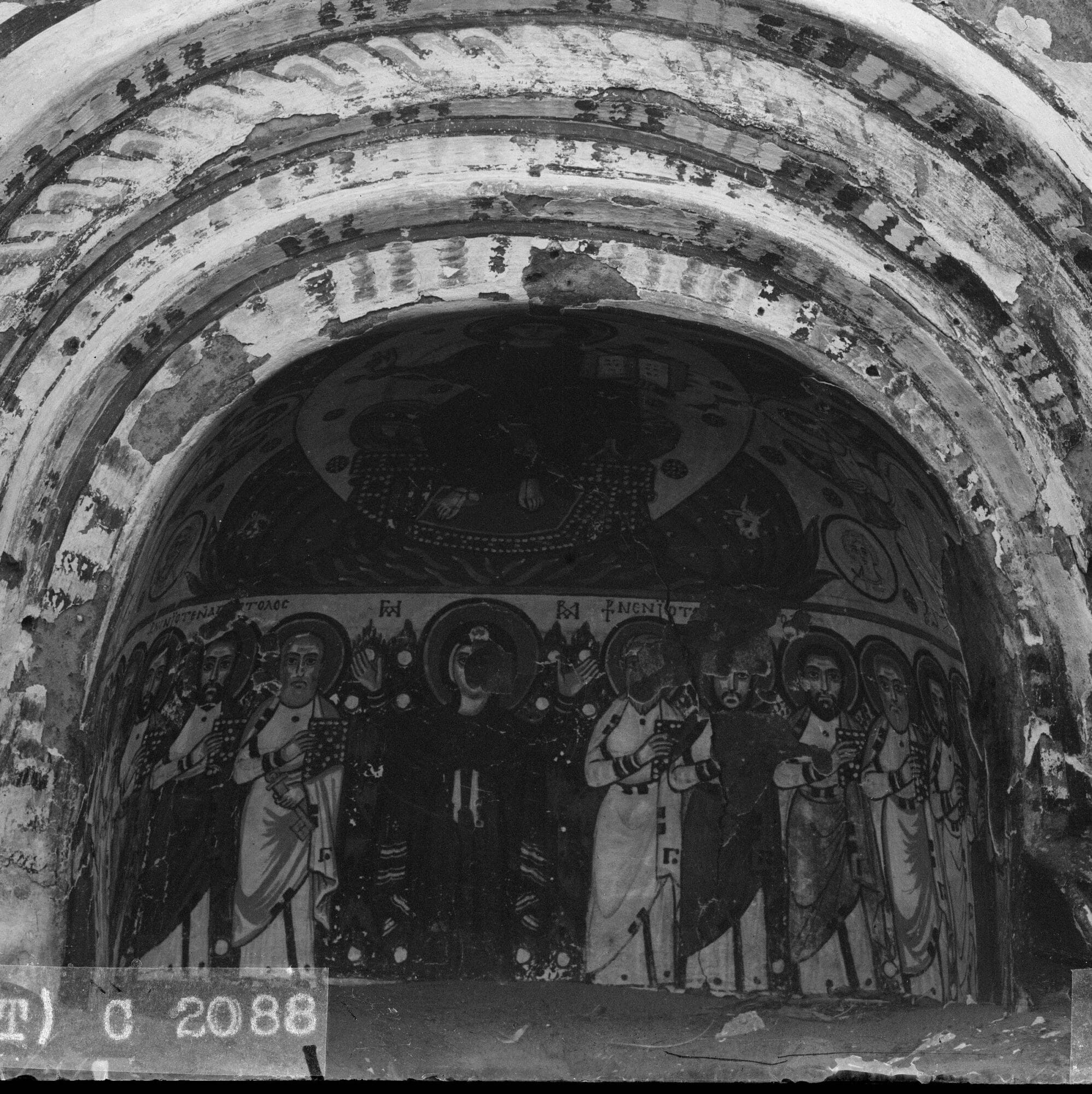
Figure 41: Ascension apse with Christ Emmanuel and the Virgin and apostles in a garden, Baouît, Apa Apollô monastery, chapel XVII, 7th-8th century
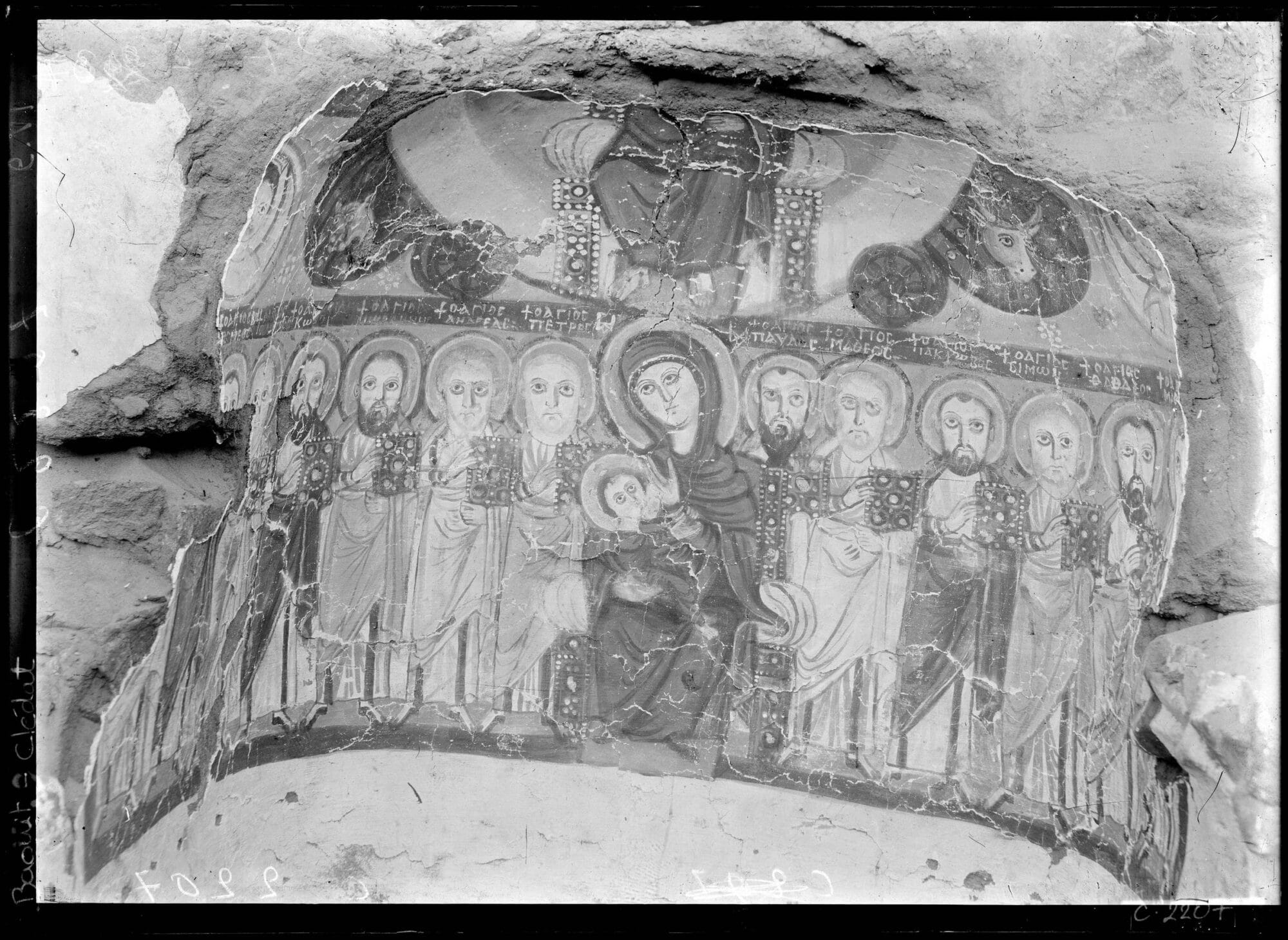
Figure 42: Ascension apse with an enthroned nursing Virgin, Baouît, Apa Apollô monastery, chapel XLII, 7th-8th century
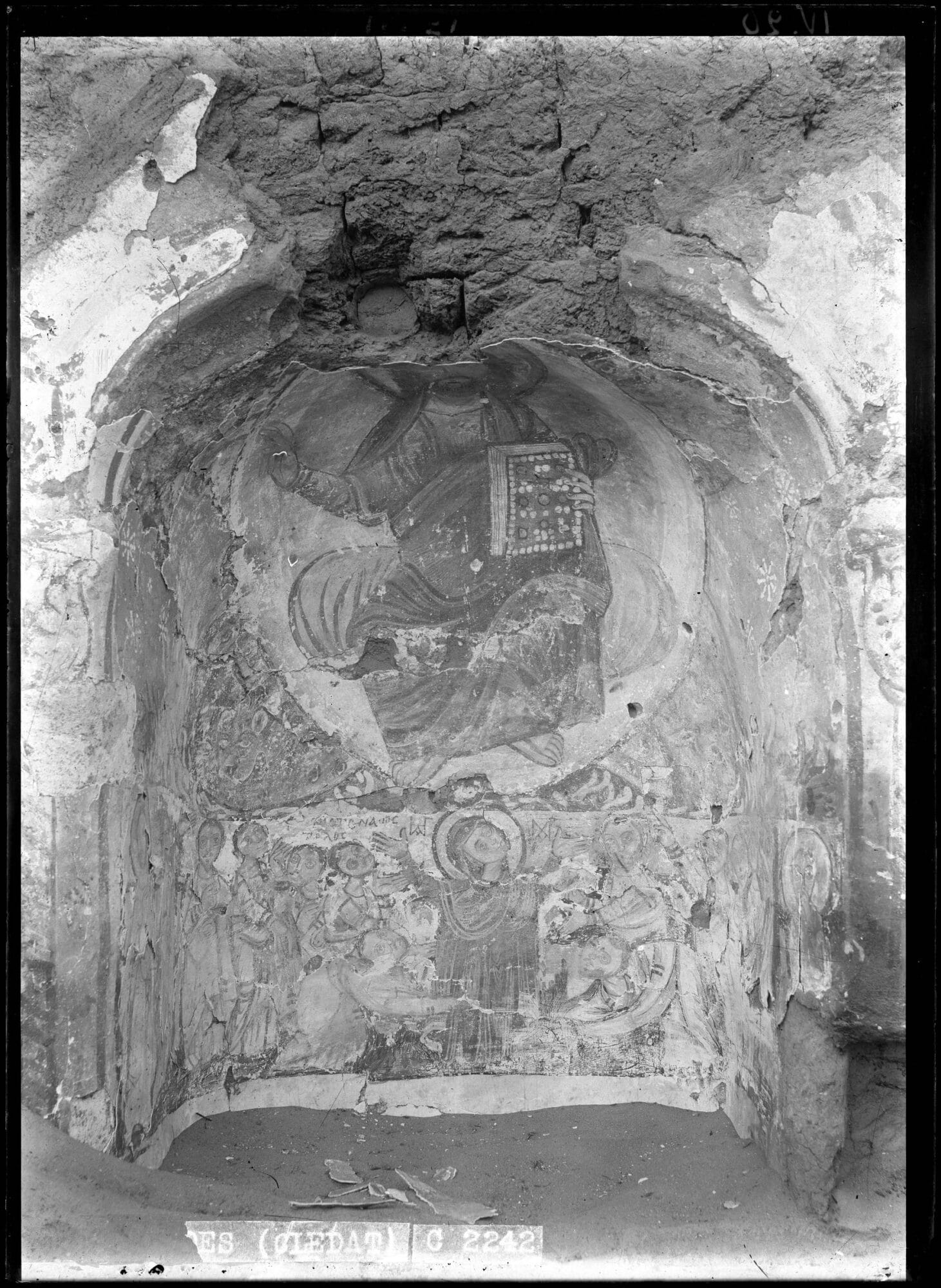
Figure 43: Ascension apse (dynamic), Baouît, Apa Apollô monastery, chapel XLVI, 7th-8th century
We always push ourselves, and younger iconographers, to dig deeply into Coptic tradition. We constantly work to internalize the vocabulary of this tradition, to understand its movements, and to become fluent in its principles, both aesthetically and theologically. From there we relate these internalized understandings to the holistic movement of art in its totality, and by doing so we seek to find art as an avenue for declaring the Good News to the world around us in a way that is vigorous, authentic, and endless in its possibilities and configurations. And when younger iconographers today ask us about colour, light, line, abstraction, composition, and about the relationship between the image and its viewer, we send them to galleries, museums, and churches, be they Anglican, Catholic, or Byzantine. We send them to dig through catalogues and archival websites, and to hunt down and find what their ancestors painted in the necropolises of Wadi el Natrun and Bawit, or Old Cairo. We strive to experience art, all of it, with a Christian lens, as we do life itself, because even in art there can be no “secular” and “religious”.
While working on these last three churches I have found myself increasingly inspired by such a widening variety of sacred art. My home parish, being an Anglican building, was a project that pushed me to explore Gothic architecture and form. I attempted to design the apse wall (Figure 44, 45) to follow the shapes found elsewhere in the space, and I aimed to build many elements of my design on Romanesque visual principles, in an attempt to build a bridge between the ‘Westerness’ of the Anglican building and the ‘Easterness’ of my Egyptian hands. I modeled our iconostasis on English rood screens (Figure 46), and found myself working with similar shapes and concerns in the Chicago church as well. These rabbit-holes led me to explore artists such as Ervin Bossanyi (1891-1975) (Figure 47), most renowned for his stained-glass windows in the Canterbury Cathedral and the National Cathedral in Washington, DC. I first saw his work in the latter, and was drawn by his mastery of composition, colour and light, and how he related those into the space–my space. I was deeply moved by his faces and the dance that seemed to embody all his figures, everything was relational, hieratic, and a feast for the eyes, and strikingly “Fanousian”. I was similarly drawn by the work of artists such as Egino Weinert (Figure 48) (1920-2012), who seemed to master the art of cloisonne enamels effortlessly and whose creativity and ingenuity appeared to be a real and true modern response to the art of Medieval Europe.
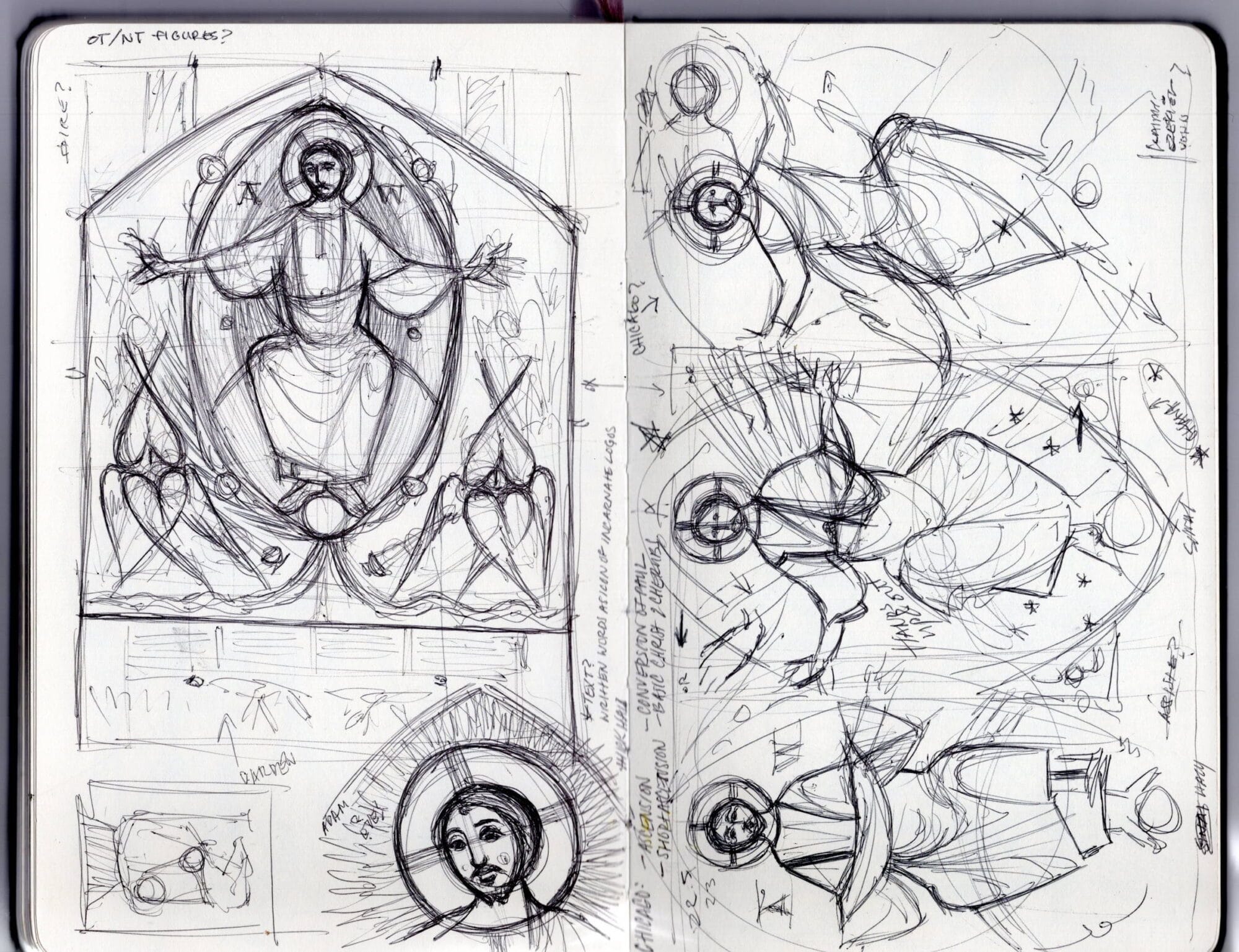
Figure 44: Preparatory sketches for the Ottawa Apse, 2024
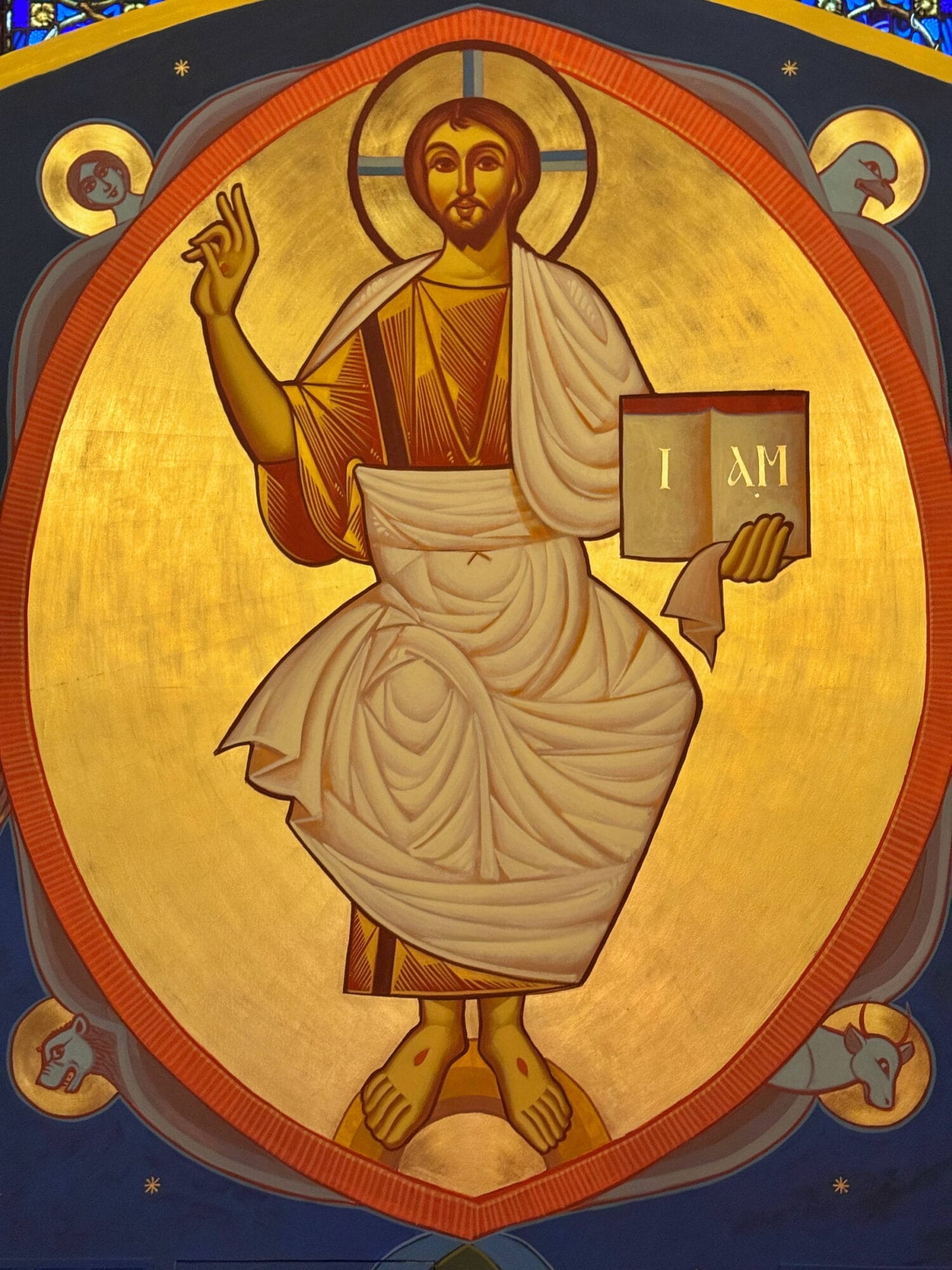
Figure 45: Christ enthroned (apse detail), St Mark and St Mary of Egypt, Ottawa, 2024
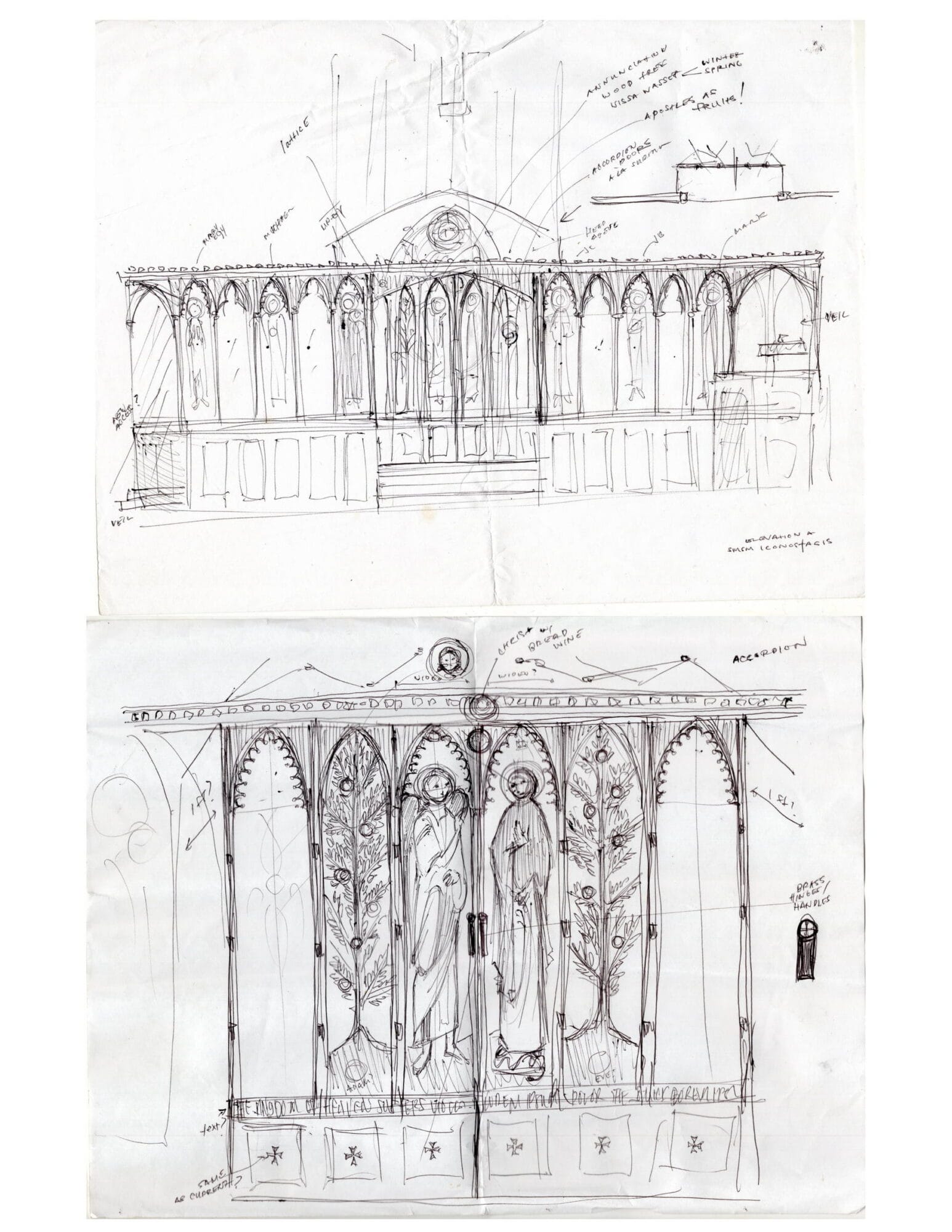
Figure 46: Preparatory sketches for the Ottawa iconostasis modelled on various Gothic rood screens, with a set of royal annunciation doors, 2025
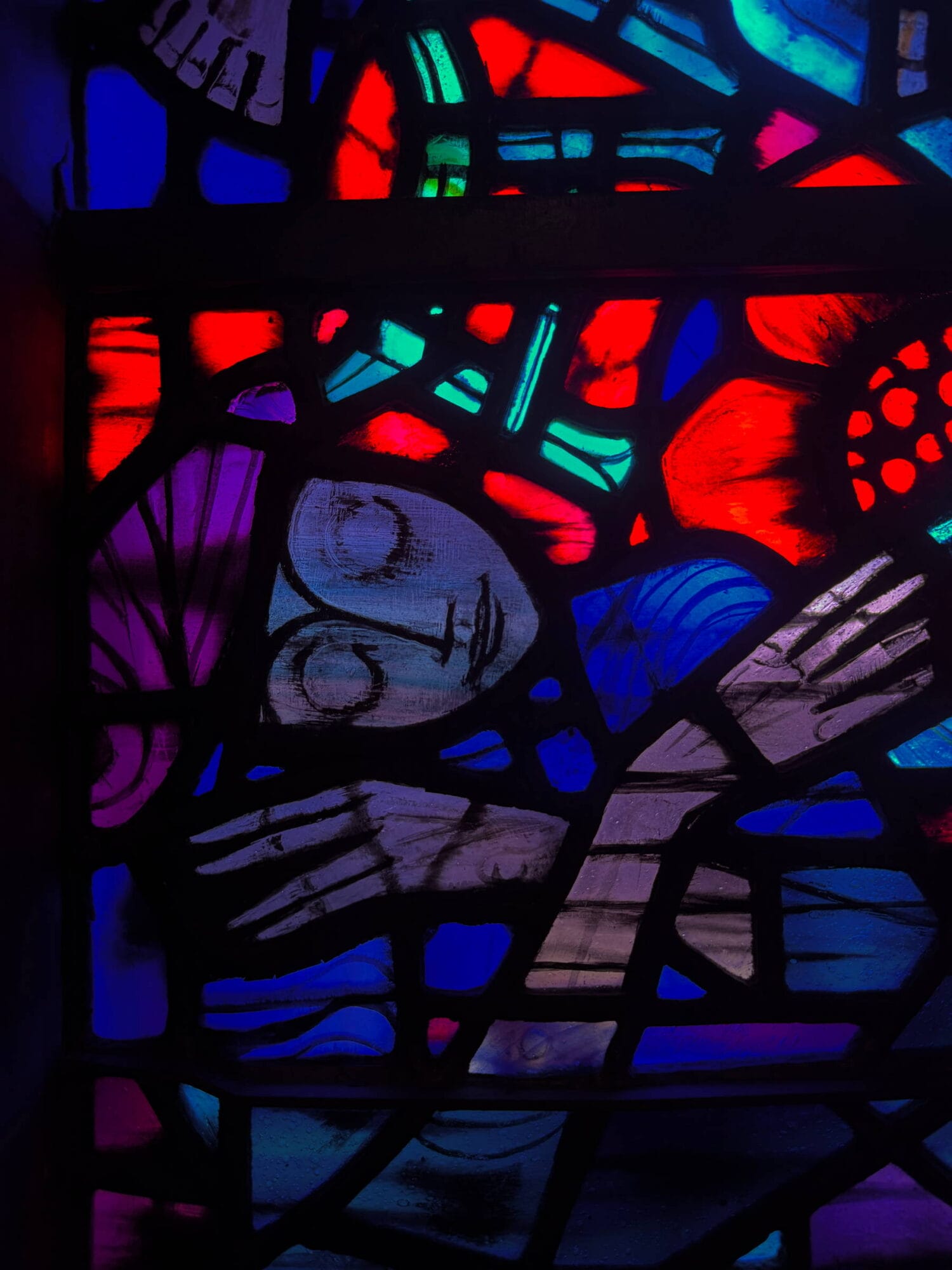
Figure 47: Detail of the Deposition of Christ, Ervin Bossanyi, Washington Cathedral, 1960
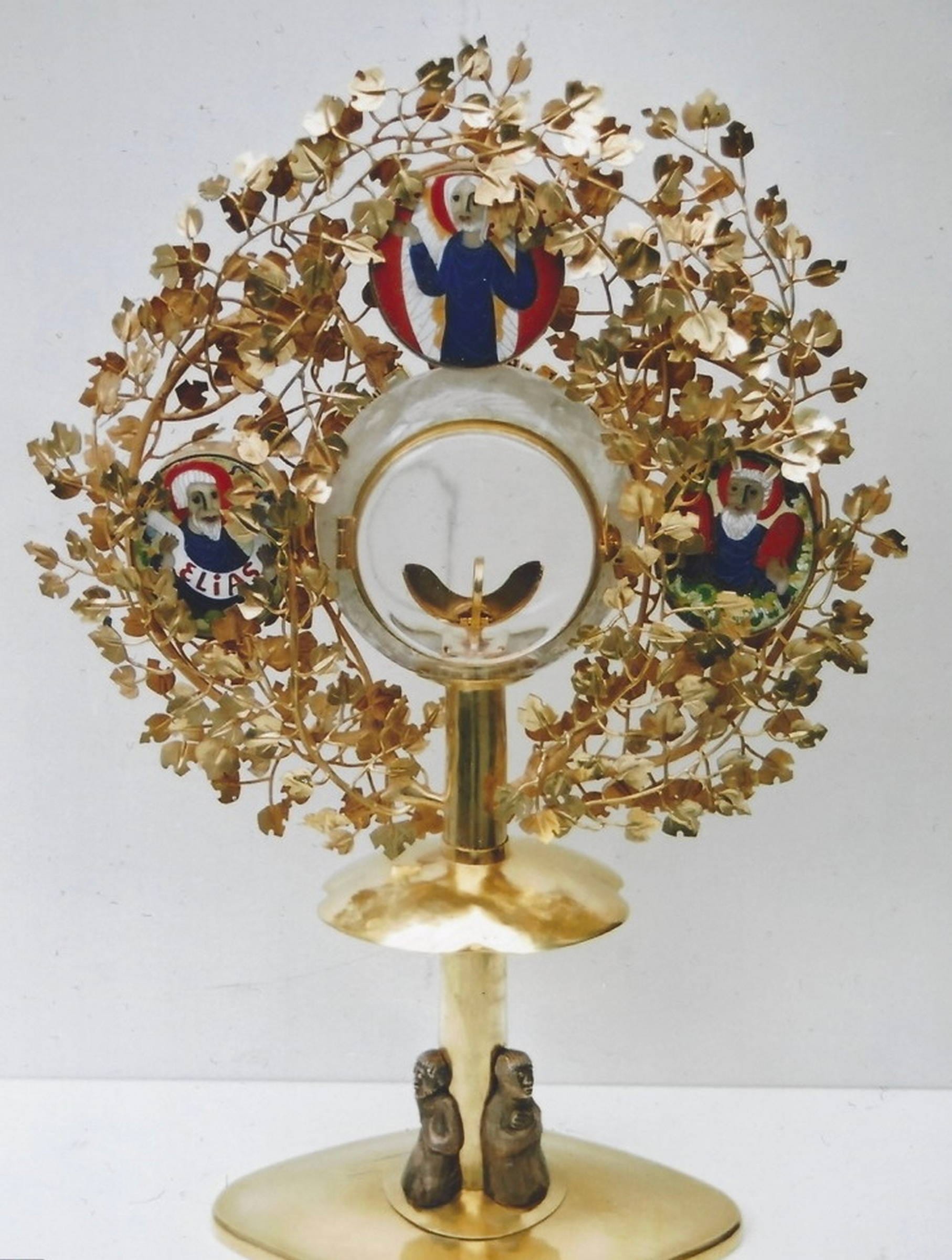
Figure 48: Monstrance with Cloissone enamels of the Christ, Moses, and Elijah (Transfiguration), Egino Weinert
The icon also holds the potential to unify. By learning from all of these different traditions of Christian art, I sit and am discipled at the feet of thousands of creative minds of Christendom. It is in Orthodox tradition and liturgy that the essence of the image I make must be rooted, but in form it is perhaps by extending beyond our “boundaries” that we can also extend a unique dialogue with our sister churches, who also strive after the good, the true, and the beautiful, who employ similar systems of abstraction, and who are concerned with creating for liturgical function. I can find common means to describe the indescribable and to surpass the counterfeits and shortcomings of language through that which is seen and experienced. Icons, I have seen, have also been a means by which the wider public can engage with art. Just over a year ago I had the opportunity to work closely with curators, scholars, educators, and community members as part of the Africa and Byzantium exhibition at both the Metropolitan Museum of Art and the Cleveland Museum of Art. It was an incredibly fruitful opportunity to explore the relationship icons can hold with the wider public through museums, galleries, catalogues, exhibitions, concerts, lectures, workshops, and residencies, and many of the curatorial and pedagogical questions asked in relation to the exhibition revealed how museums can reveal art that is alive and pulsating, objects of use and continuity, products of workshops, guilds, and communities that are very much alive today.
Today, authenticity in the creation of sacred art for Coptic Churches finds itself threatened by a commercialization, commodification, and capitalization of art. Clergy and church boards may elect to design their churches in the cheapest, fastest, most convenient means. Icons are treated as items that must be crossed off a checklist in the creation of a Coptic space. The push for standardization in these images seems to have cheapened them, as such ‘standardizations’ may reduce icons to a codification of shallowly understood principles or patterns or poorly imitated reproductions of Fanous and his students. There is, in many cases, little consideration for honesty or integrity in creating the best that can be given, little accounting for relationship, little value to creativity, originality, and love. Many icons today seem to have been created in isolation from the Liturgy. How else will people enter into the realm of the icon, or the icon enter into the realm of the people? Love is central to the gospel and must be central to creation, and it is in this framework that many of the questions asked can be considered, including that of schools, canons, disciplines, and formulas. I believe if we truly see the gravity of what the icon declares to us, and if we truly see how the truth of who we are as the image of God is primarily communicated to us by the Church through images, we as a young generation of Coptic iconographers will treat these images with reverence, not just in their veneration, but in their creation. Icons ought not be disparate, stand-alone objects, but can be strung together and programmed to form patterns, rhythms, sentences, paragraphs! They can be, in our hands, instruments of beauty designed to build the experience of Liturgy, ministry and prayer, and–assimilating to the image of Him who is crucified to the cross–an easel of new creation.
While my journey in learning sacred art is still adolescent, it is shaped by a rich tradition and speaks to a world that is in dire hunger for Beauty (Figure 49-52). The image is not the end of our worship, but it inspires the believer to worship by enacting what is beautiful, the imitation of God. The image inspires the veneration of the members of Christ, to kiss His hands and feet, the poor and homeless, the forsaken and grieving, the hated and forgotten, the loved and charismatic, the rich and poor, the body of the Slain from head to toe. It inspires us to see and hear, where often we forget to look and listen, it is the signal towards the climax of the processions of liturgy and the chants of the faithful.
“Thus the beauty of the bride’s eyes is praised because of the image of the Dove which appears in her pupils. For we receive within ourselves a likeness of whatever we look upon.”
St Gregory of Nyssa
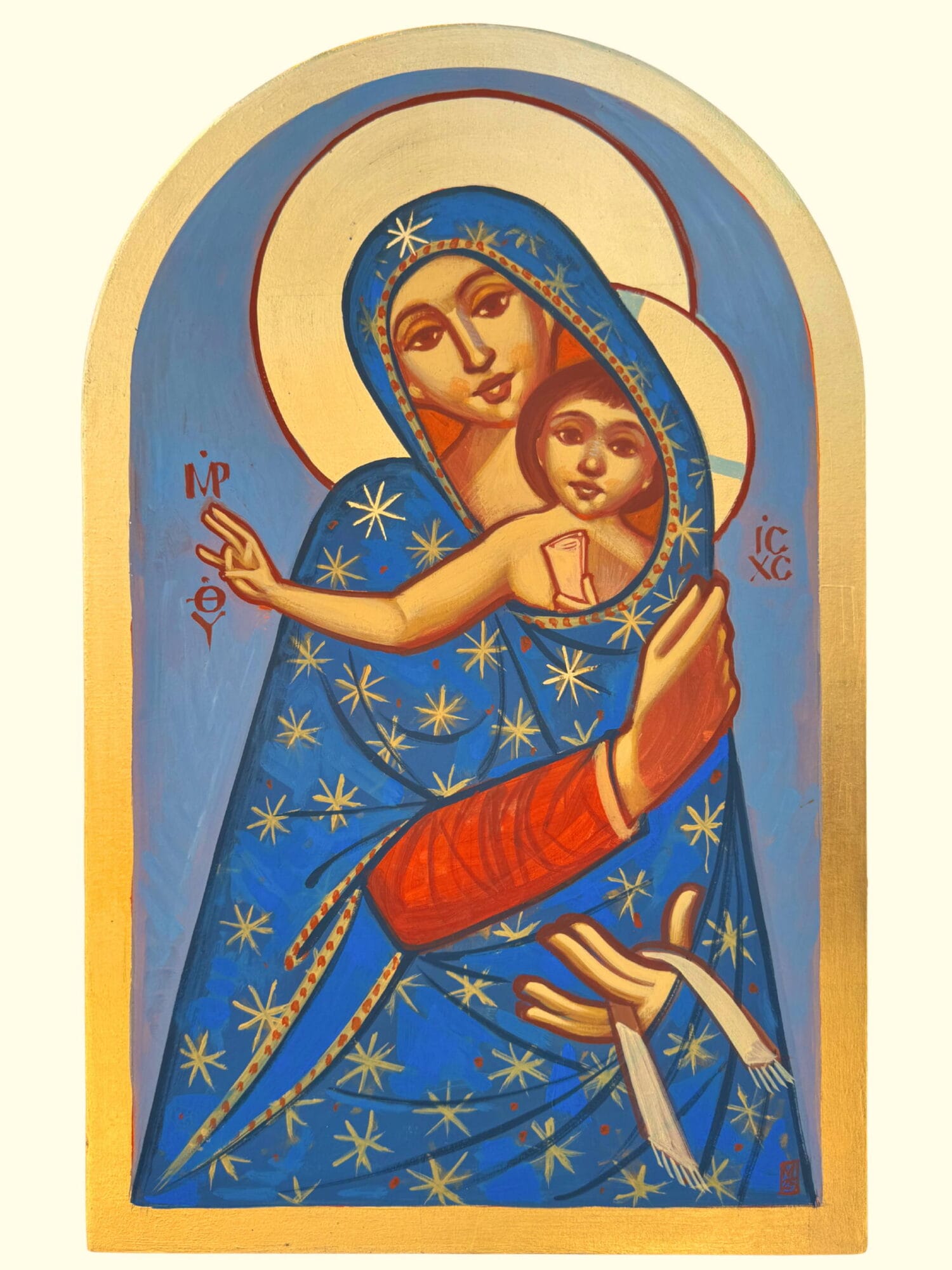
Figure 49: The Mother of God, (inspired by Matisse’s preparatory sketches for Vence) George Makary, 2025
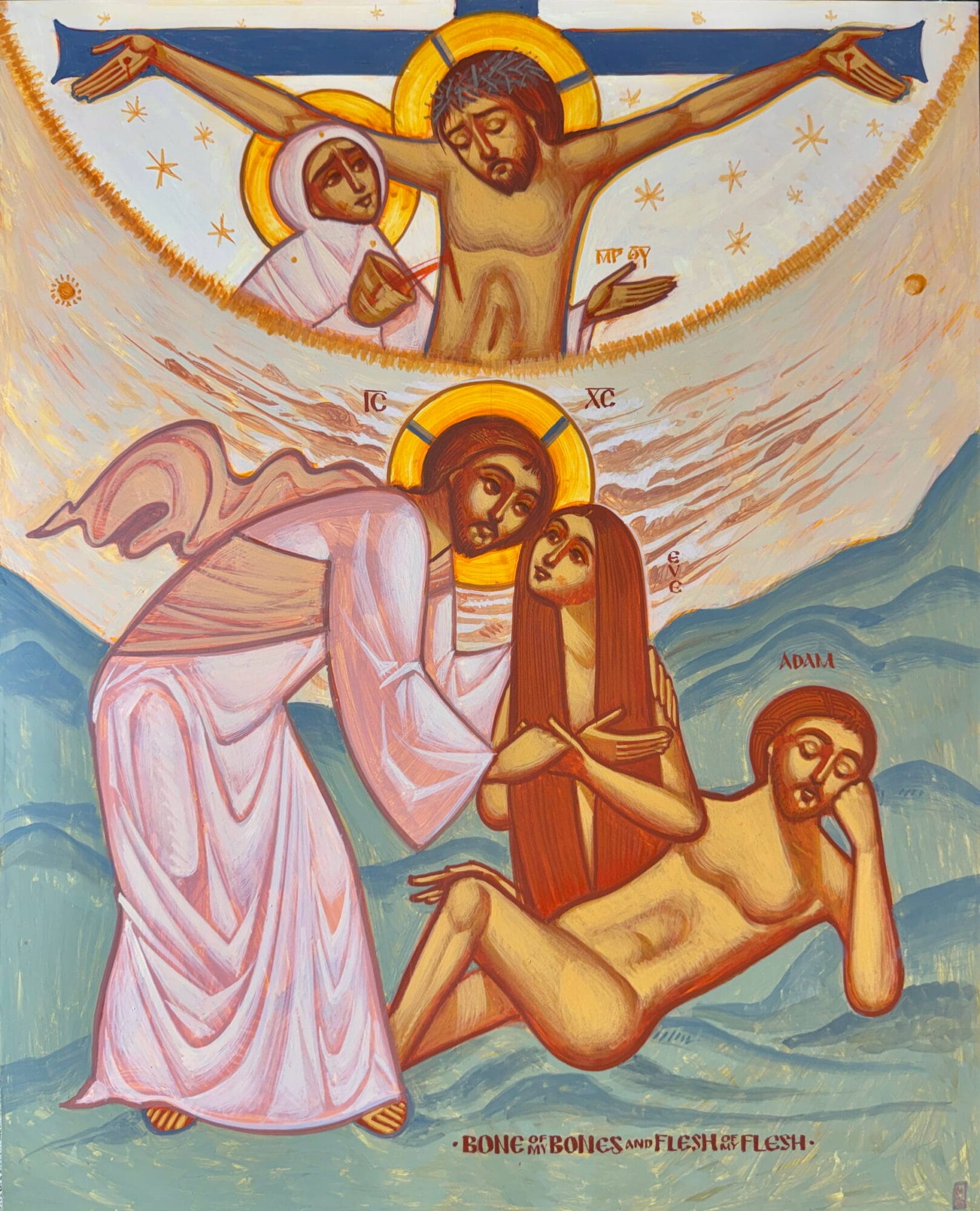
Figure 50: The Creation of Eve,
George Makary, 2025
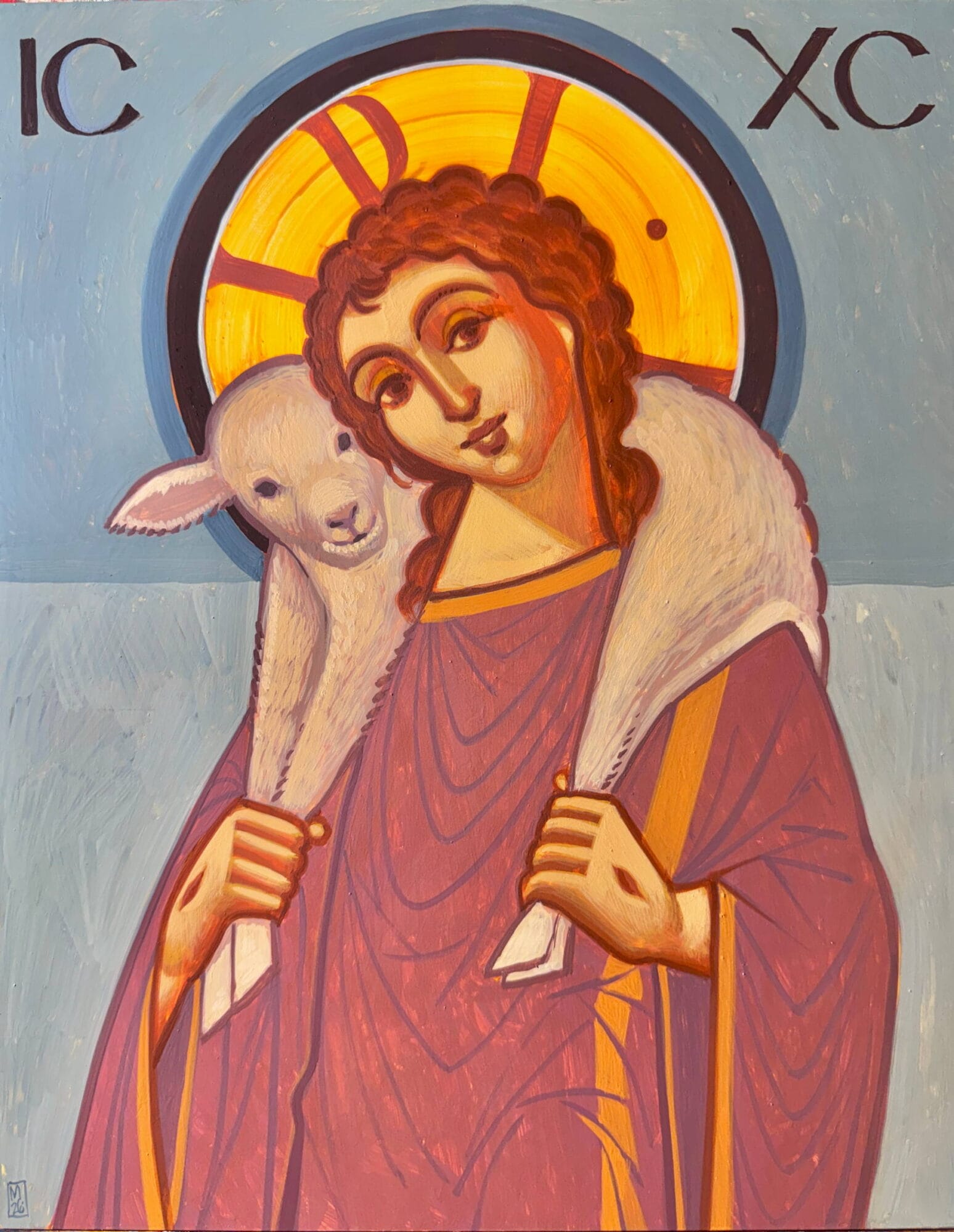
Figure 51: Christ the Good Shepherd,
George Makary, 2026
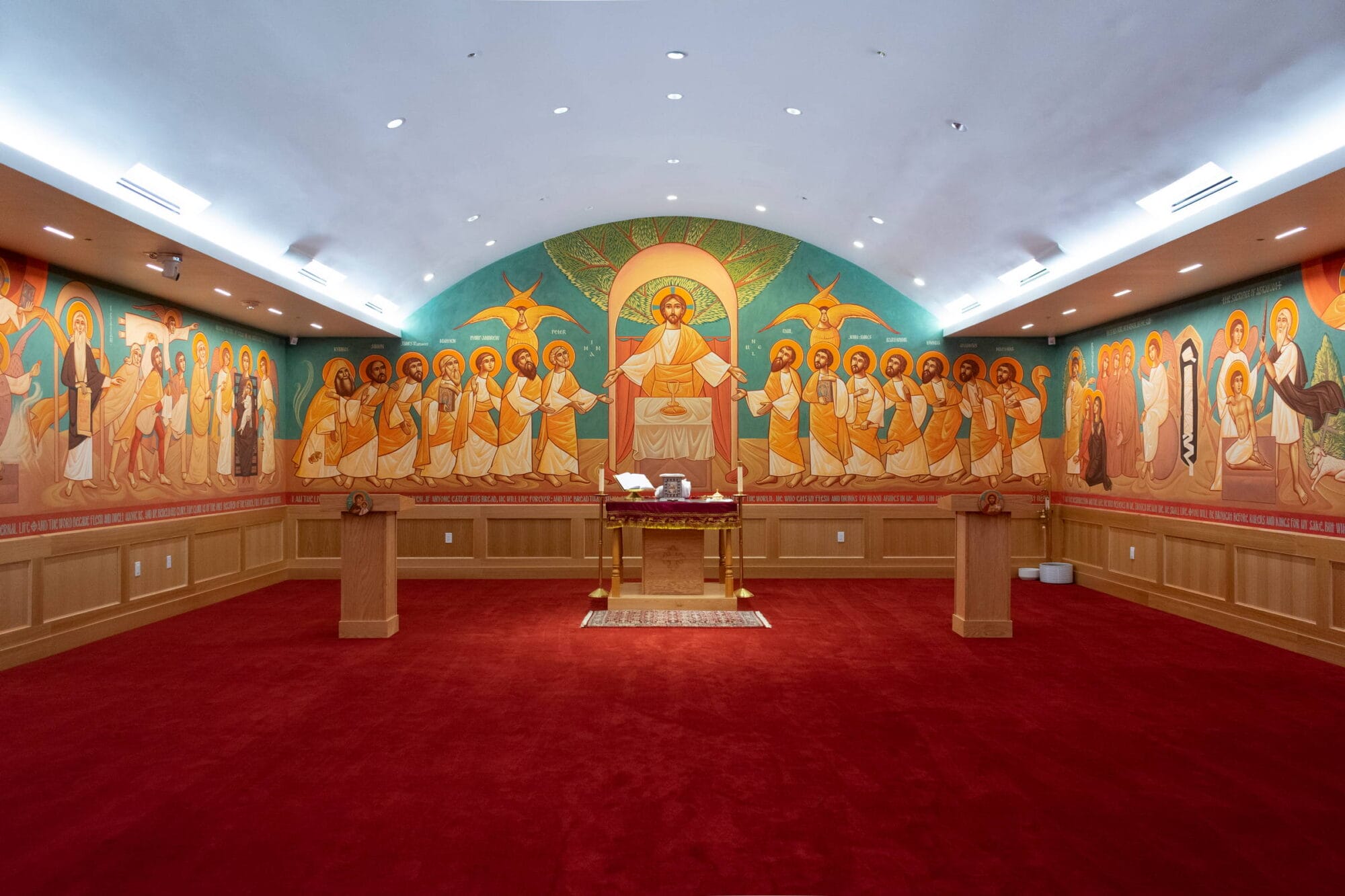
Figure 52: Chapel of St Pope Kyrillos the Sixth, painted in collaboration with Fadi Mikhail and Kirollos Kilada
If you enjoyed this article, please use the PayPal button below to donate to support the work of the Orthodox Arts Journal. The costs to maintain the website are considerable.
Inspiring. Thank you
An incredibly thoughtful, well-written, beautiful, and tender discussion of Coptic art and iconography. Our nuance and our heart, our history and our growth, all beautifully represented. I love the way ‘beauty’ is presented here, not as frivolity, but as an act of worship and veneration towards our Creator. May God bless your work!
Amazing article 🙏🌸
How amazing and richly expressed!! God bless 🤍✝️
So proud of my younger brother! I love the passion used across this article. The details used in the writing as well as the actual icons, is just amazing to see. God bless your journey!!
George your work is excellent, and I congratulate you. Your drawing and use of color are beyond my skill, and I am inspired. Looking at your work makes me want to draw, which is a rare treat. I do however wish to open what may be a sensitive line of inquiry regarding the Fanousian school of Coptic iconography, if I may use that term.
In the work of Marguerite Nakhla (thank you so much for introducing me to her), I see pathos and gravitas, and I get the sense of relational presence. I struggle with these elements in the Fanousian school, and I wonder if you could respond to my discomfort in some way?
The Fanousian school seems more graphical / diagrammatic than anatomical / realist. Do you agree? Furthermore, the Fanousian school presents an idealized relational figure that is so direct and simple – as seen in gesture, face, and hands – that I have the sense that the one depicted lacks depth. Please forgive me, but I feel the school tends towards representing sentiment or idea ahead of person, and I struggle with that. It is marvelous illustration, but it doesn’t usually work for me as icon.
Amazing! God bless